Developers Preview Plans for Historic Benjamin Lynde House Site
By Ellen Putnam
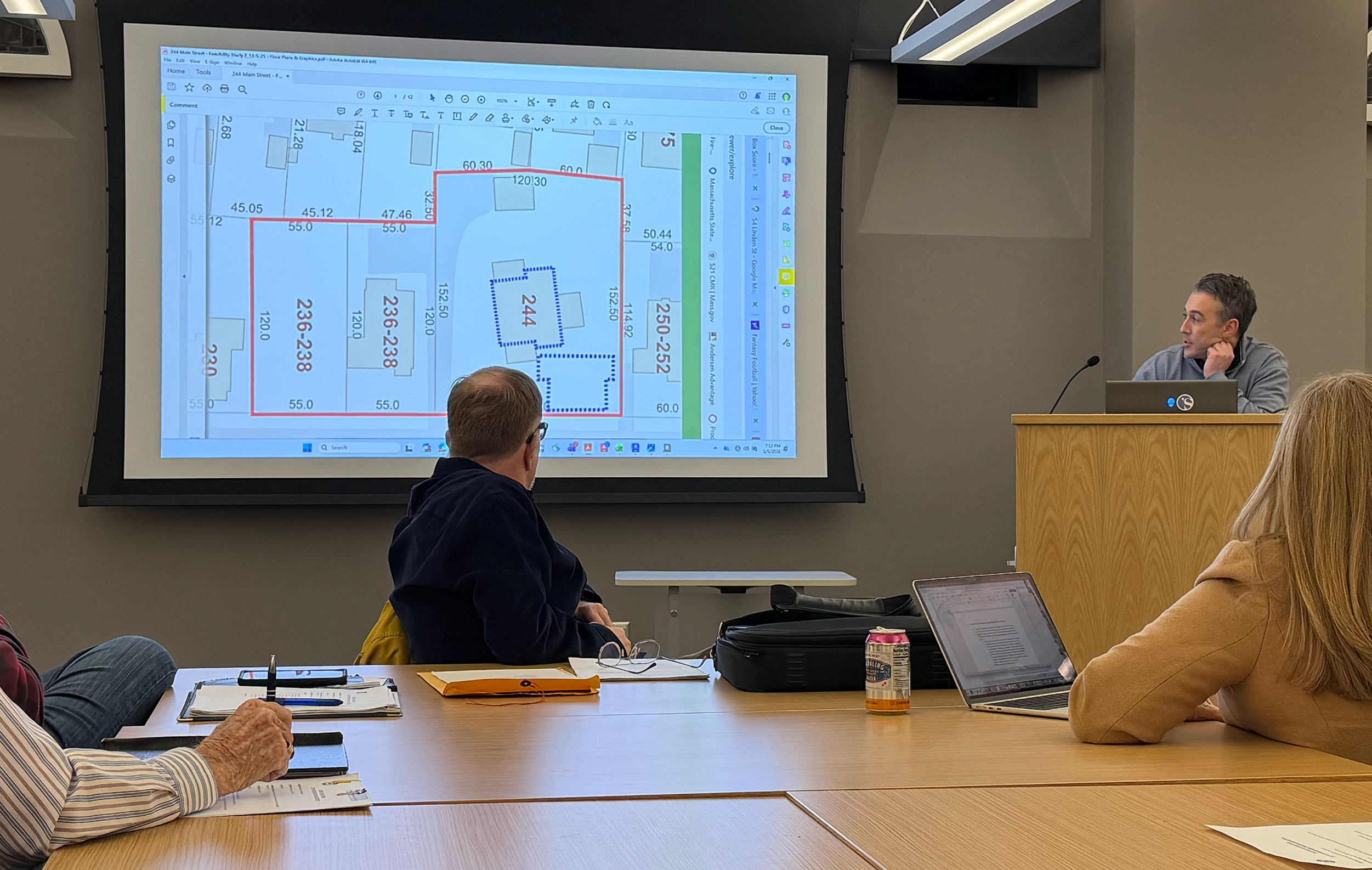
Architect Donnie Garrity of O'Sullivan Architects presents plans to the Historical Commission
Photo Credit: Nancy Clover
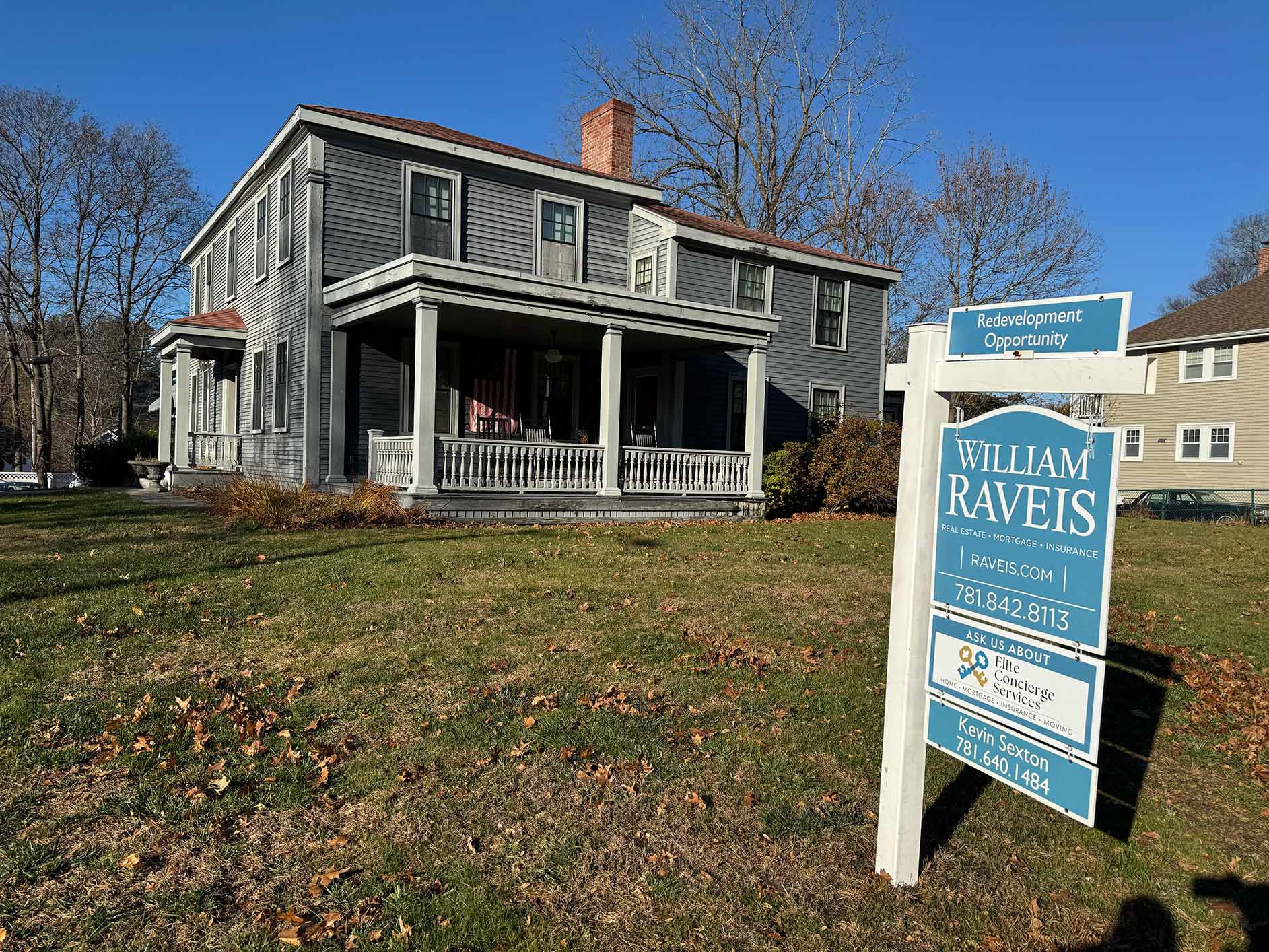
On Monday evening, the Historical Commission heard a presentation from developers who are purchasing the historic Benjamin Lynde House on Main Street about their plans for the property.
The house was once owned by Benjamin Lynde, a minuteman who fought in the Battle of Lexington and Concord. The original structure, which dated back to the 1600s, was destroyed in a fire and was rebuilt in the 1820s.
This fall, when the Benjamin Lynde House went up for sale, advertised along with two neighboring lots as a redevelopment opportunity, community members pushed the city to put measures in place that would help preserve historic homes that are privately owned, like the Benjamin Lynde House.
In December, the City Council passed a demolition delay ordinance (something that the majority of cities and towns in the region already have in place). The ordinance will not go into effect until the City Council votes to change the Historical Commission, which would be tasked with overseeing the demolition delay process, from an advisory commission to a regulatory one - a vote that is expected to take place in the next month or so.
The city, in conjunction with the Historical Commission and the Historic District Commission, is also looking into expanding the city’s Historic District, which currently encompasses Main Street and one block on either side of it, from East/West Emerson Street to East/West Foster Street, to include single parcels with historic buildings like the Benjamin Lynde House.
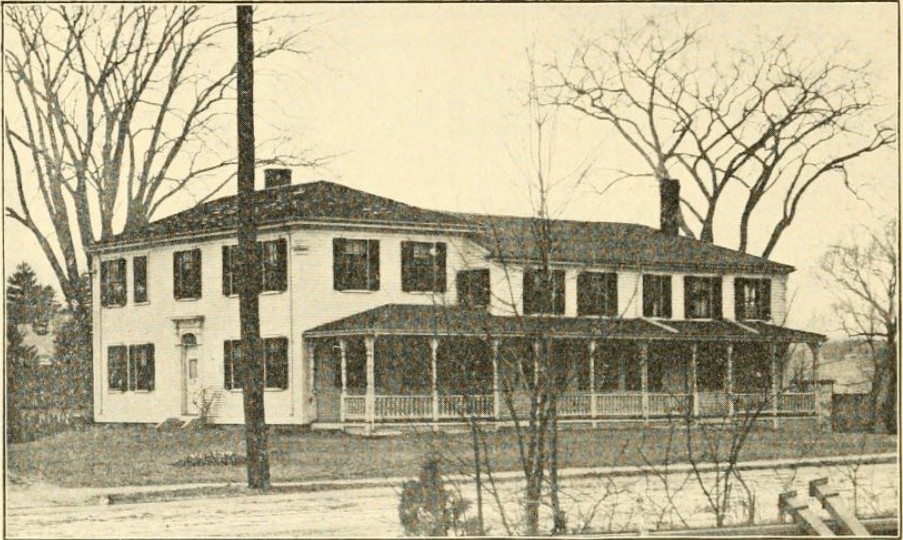
Historic photo of the Benjamin Lynde House
From the Melrose Historical Commission
But neither demolition delay nor the restrictions imposed by a historic district prevent changes to a property that are filed under state housing law Chapter 40B, which allows developers to bypass local zoning and regulations if at least 25% of the units in a project will be designated as affordable.
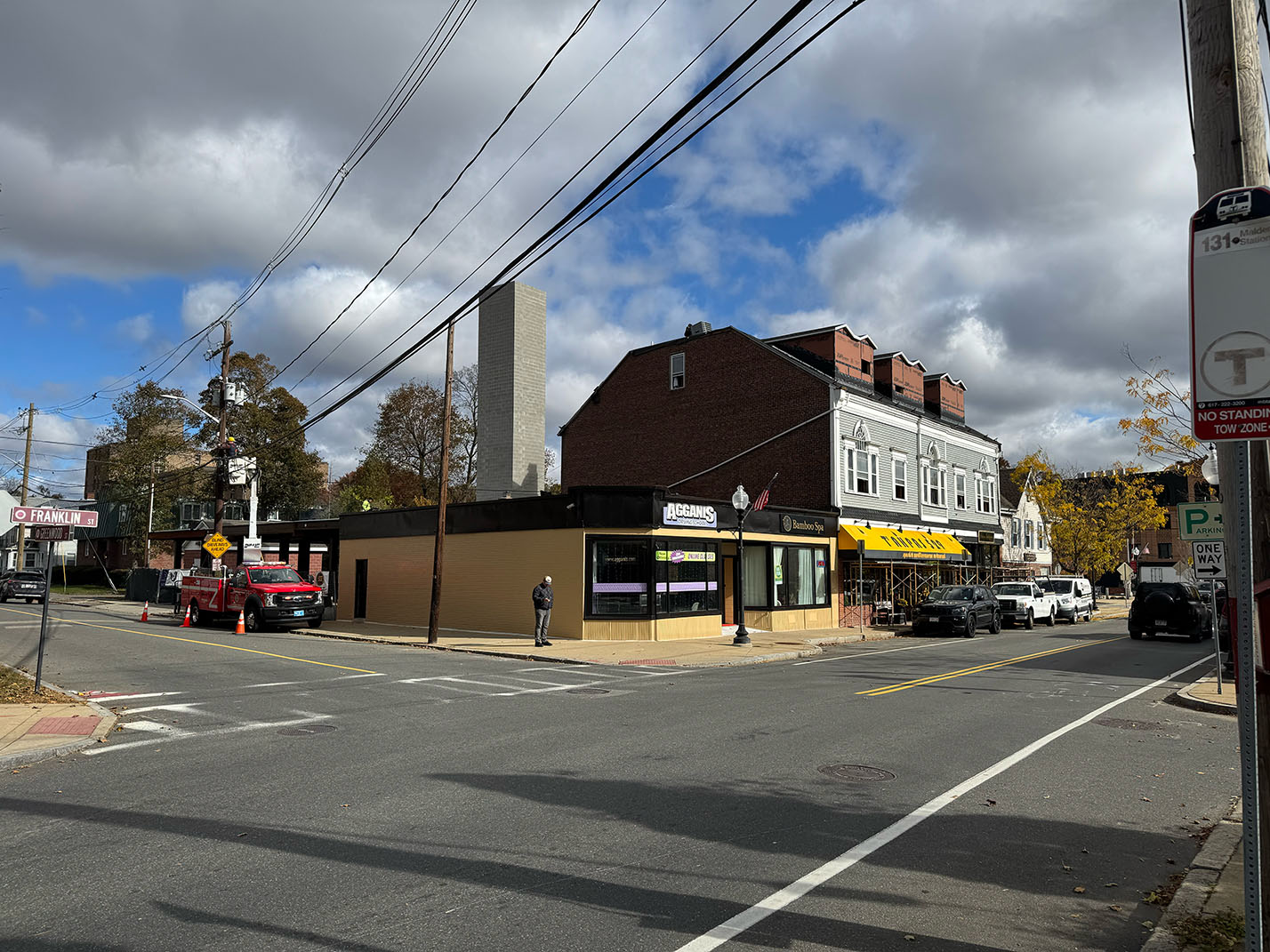
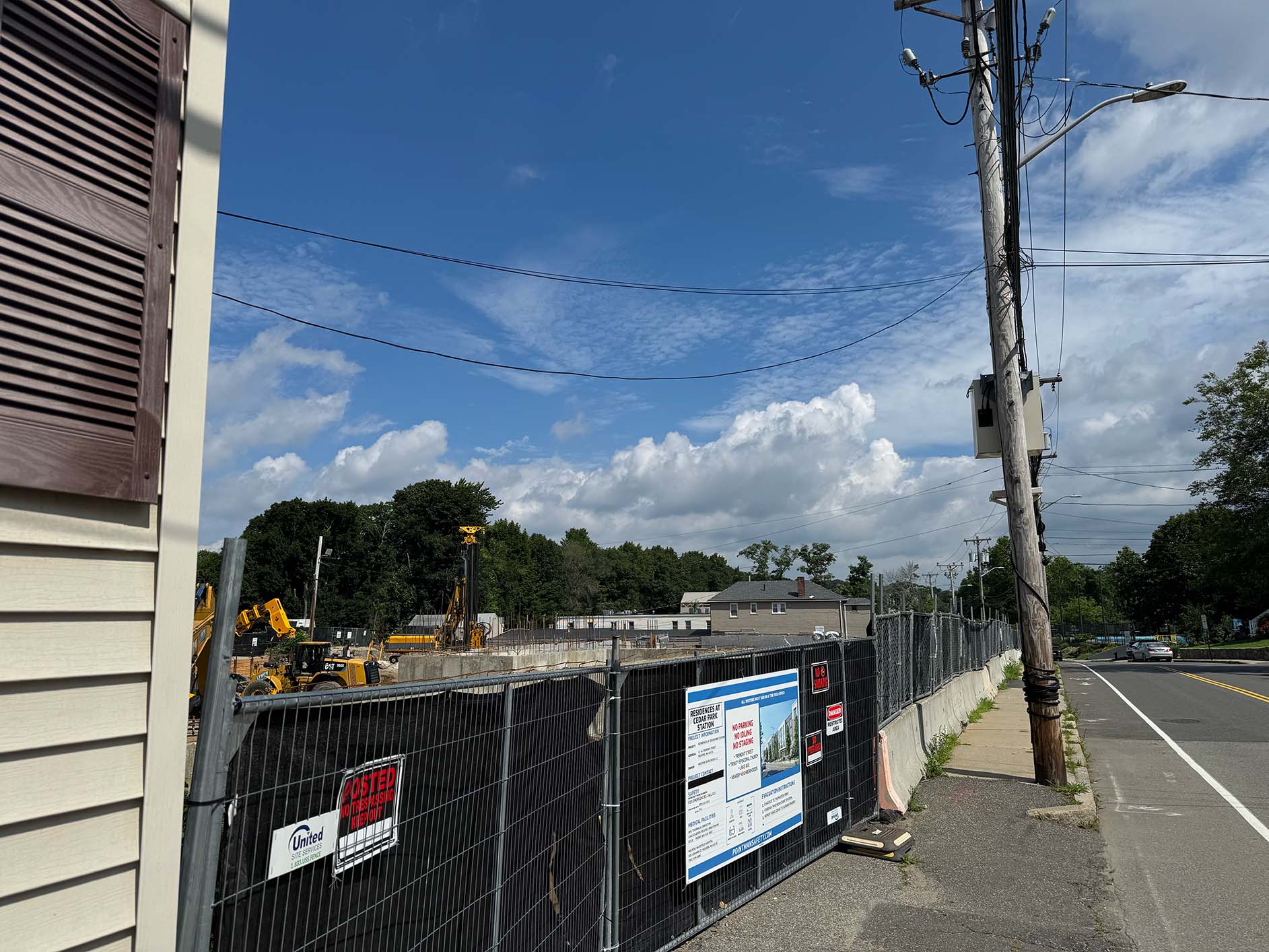
Sean and Laura Szekely of Szecon Development, who are purchasing the Lynde House, have worked on several projects in Melrose, including Chapter 40B projects that will be located at 164 Essex Street, 28-54 Greenwood Street, and 554-556 Franklin Street.
At this week’s Historical Commission meeting, the Szekelys shared that they intend to file this project under Chapter 40B as well, although the official process, which can take months or even years, involves securing approval from the state housing agency and going through an approval process before the city’s Zoning Board of Appeals (ZBA). Currently, the Historical Commission has no authority to approve or deny a project on the basis of its historical merits, but the Szekelys presented the project in order to receive feedback from the community in its initial stages.
“We knew, when we started looking at this site, that this was a historic house,” Laura Szekely told the Historical Commission. “We never intended to demolish it - it was always our intention to do something with the house. We originally planned to relocate it to another parcel and donate it outright to the city, but there was not a huge amount of enthusiasm in the city for that idea - they were in the throes of the override, and nobody wanted to talk about taking on additional expenses, especially renovating and preserving a very old house. So we pivoted and adjusted our plans.”

Architectural rendering of plans for 244 Main Street
Created by O'Sullivan Architects
The proposal from Szecon Development would involve moving the historic house to the front of the lot, to allow a four-story, 60-unit residential building with underground parking to be constructed behind it. Half of the historic house would be used as amenity space for the apartment building, and the other half would be donated to the city for public use, potentially as some kind of museum, although the developers stated that they are open to ideas from the public as to its configuration and use.
Members of the public who attended the meeting shared a range of views on the proposal. Some expressed appreciation for the developers’ attention to preserving the home, noting that, as a Chapter 40B project, they could have chosen to simply demolish the house.
Others expressed concern that moving the house would take away what is historic about the house - including the basement, which some believe would have been the foundation of the original 17th-century home. The interior of the home is modern, although the Szekelys suggested that they could potentially work on restoring one or more rooms to reflect what the home might have looked like in either the 1600s or the 1800s.
Neighbors also lamented the loss of green space. Currently, the home sits on a spacious lot, which would be largely taken up by the apartment building under the proposed plans. They also worried that a 60-unit apartment building would alter the character of a section of Main Street that is mostly single-family houses. (While the section of Main Street around East/West Wyoming Ave and Mount Vernon St has several three- or four-story apartment buildings, this particular section does not.)
Melrose is only subject to applications filed under Chapter 40B until 10% of housing units in the city are designated as affordable. The number of units needed to achieve that 10% figure fluctuates as plans are approved or abandoned and as new buildings are completed, but current numbers suggest that, should this proposal go forward, it could put Melrose over that 10% line and allow the city to begin rejecting 40B projects that do not fit the character of the city.