A Conversation with Ryan O’Malley, Candidate for State Senate
By Ellen Putnam
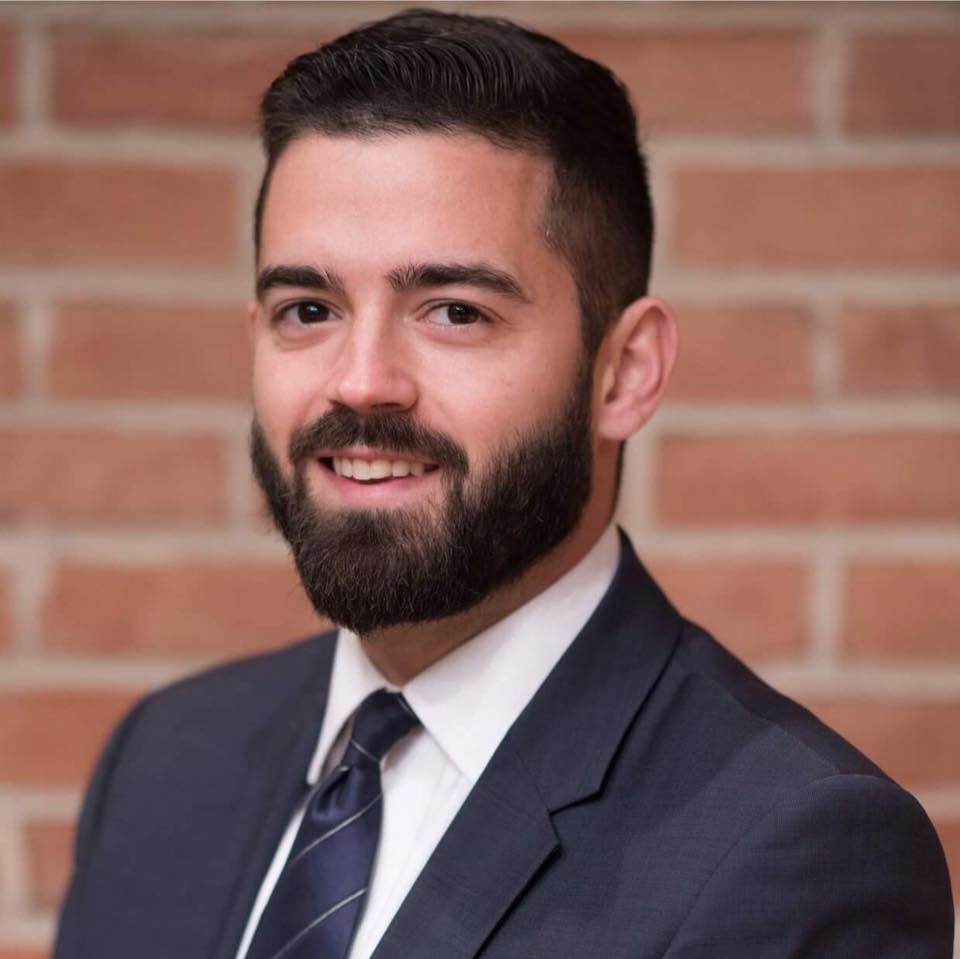
Photo From Ryan O’Malley
Ryan O’Malley is one of two current Malden city councilors running for the open State Senate seat created by the retirement of current state senator Jason Lewis.
“I’m running for three main reasons,” O’Malley said, “to reform education funding; to bring government accountability to Beacon Hill; and to protect public assets. And underpinning all of it is a platform of affordability.”
O’Malley is a lifelong Malden resident and attended Malden Public Schools. He recalls receiving Title 1 reading support as a child, and credits his teachers with helping him succeed in school and eventually earn a law degree from Boston College Law School. He has worked as a park ranger in the Middlesex Fells and Breakheart Reservation, and currently works as an affordable housing attorney. He has also served on the Malden City Council for the last 11 years.
“In my time as a municipal public official,” he said, “I have seen the impact of dwindling state aid on our communities, which forces us to hold divisive override votes. I don’t think it’s fair that zip codes dictate the quality of education in a state like Massachusetts, where the state constitution guarantees a quality public education. The state needs to do more.”
“Education funding through Chapter 70 needs to be completely reformed from the bottom up,” O’Malley went on. “Senator Lewis and others made great progress to increase the funding that is available through the Fair Share Amendment and the Student Opportunity Act, but the problem is that those have been applied to a broken foundation formula. We need to be diving into funding public education and making sure that resources are getting to districts based on their ability to pay and actual student needs.”
O’Malley also talked about increasing the amount of funding available to school districts through circuit breaker funding. “We need to take into consideration the higher-needs students that districts are educating, and students with interrupted learning. There are a lot of regulations and mandates from the state Department of Education that don’t have funding sources behind them to equip municipalities to educate students and provide them with what they’re entitled to under the law. We need to make sure that when we’re setting requirements, we’re actually funding those requirements. Otherwise, they are unfunded mandates.”
He also talked about increasing Chapter 90 funding for transportation. “We need to increase Complete Streets funding to make our streets safer,” he said. “I’m not a fan of red light cameras and the surveillance state. Instead, we need to design our roads to encourage people to drive in a responsible manner.”
“We need to increase our revenue as a state,” O’Malley went on, “and provide more aid to municipalities so they can educate students, maintain roads, and fund public safety. Right now, our municipalities are overly relying on property taxes, which causes all these divisive override votes that pit retirees and low-income residents against families with children. That is not how we strengthen the fabric of our community, and over time it exacerbates the affordability crisis and pushes people farther away from Boston and the center of our economic life and growth - it’s just not fair.”
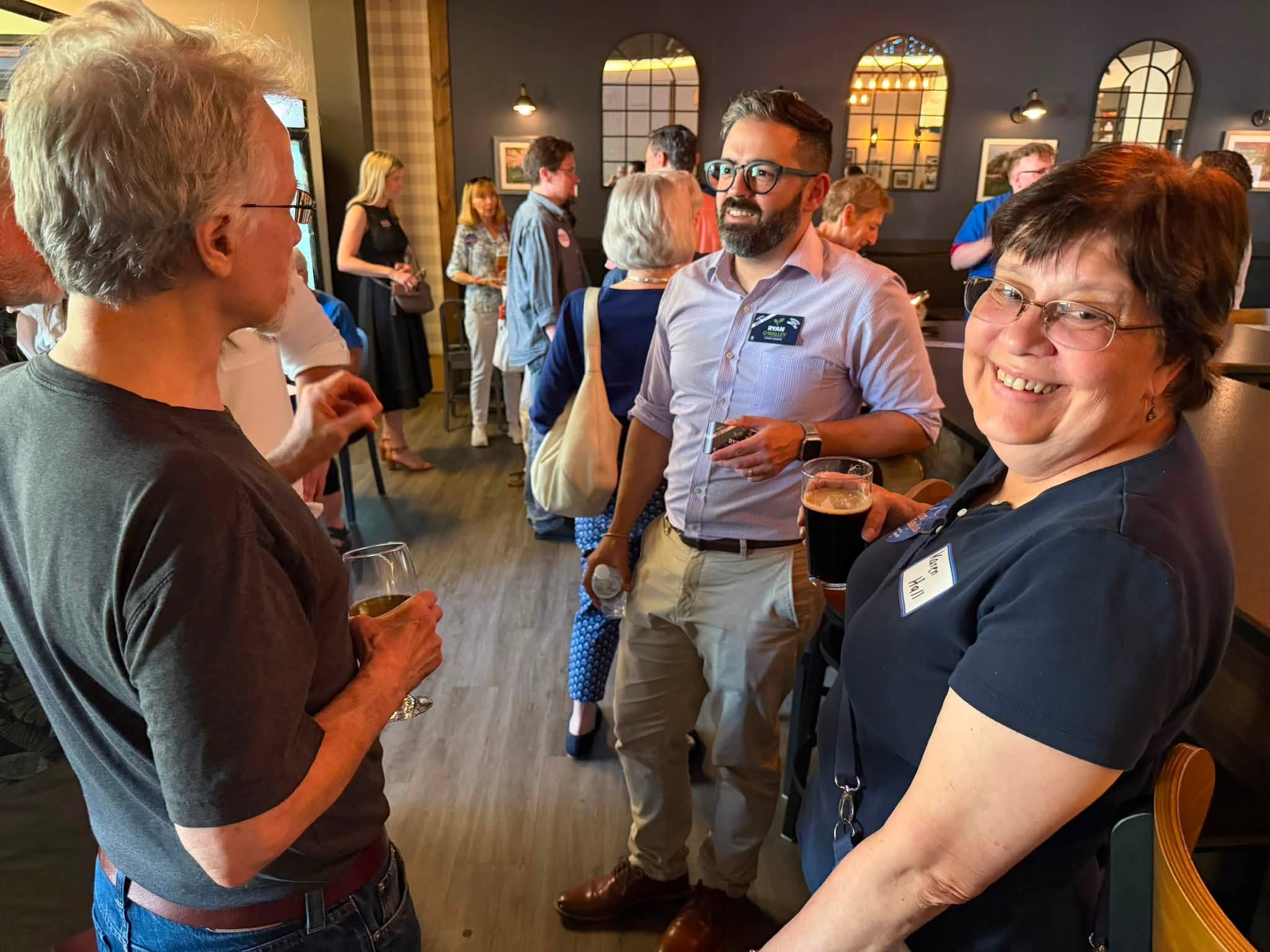
Photo Credit: Nancy Clover
“I’m not afraid of taxes,” he added, “but property taxes, which are regressive, are not a fair way to fund public education.” O’Malley suggested some potentially fairer ways to raise revenue, including introducing a progressive payroll tax paid by employers, or looking at raising the state income tax. “I think it’s worth having that conversation: What do we think is fair? Do we think it’s fair to tax people who can afford to pay more through an income or wage tax, or do we always want to go back to property taxes, which apply to everyone, regardless of their ability to pay? We need to have that conversation to reach a consensus on what kind of state we want to be.”
O’Malley also argued that, in order to make the district more affordable, “The state needs to be doing more and using their regulatory powers to keep energy costs down. The utility companies are making record profits by jacking up prices. It’s a privilege to operate a public utility, and they are regulated by the Department of Public Utilities - the DPU needs to be doing more to rein them in.”
“I fully support MassSave,” he added, “They help with adding insulation, converting homes to more energy-efficient heating systems, and adding solar panels. It’s a way that we can, as a state, live by our ethics and commitment to the environment without making utility rates go through the roof.”
“And we need to be investing more in affordable housing,” he went on. “We need to use the levers of government to actually make the lives of our residents better.”
O’Malley’s focus on transparency and accountability stretches back to his earliest days on the Malden City Council. “When I first joined,” he said, “ Malden was not complying with the Open Meeting Law and the Public Records Law. It made it difficult to do my job as a city councilor and do my due diligence, and it made it difficult for the public to know what was going on. In my time on the City Council, I’ve helped the city come into compliance with these laws.”
In particular, O’Malley created a stir when he was involved in a lawsuit against the trustees of the Malden Public Library. In his role as City Council President (who sits, ex officio, on the board of library trustees), O’Malley said, “I uncovered potential violations of the law related to open meetings, public records, and public procurement. It was concerning enough that I was advised by the city solicitor and by attorneys for the trustees to go to court to clarify whether the library was a public or a private entity. The case was not resolved until after my term was over, and at that point, the new City Council President moved to dismiss the case.”
O’Malley points to the library incident as an example of his leadership style, and his willingness to take action to improve the accountability of public entities, even when it draws criticism and upsets the status quo.
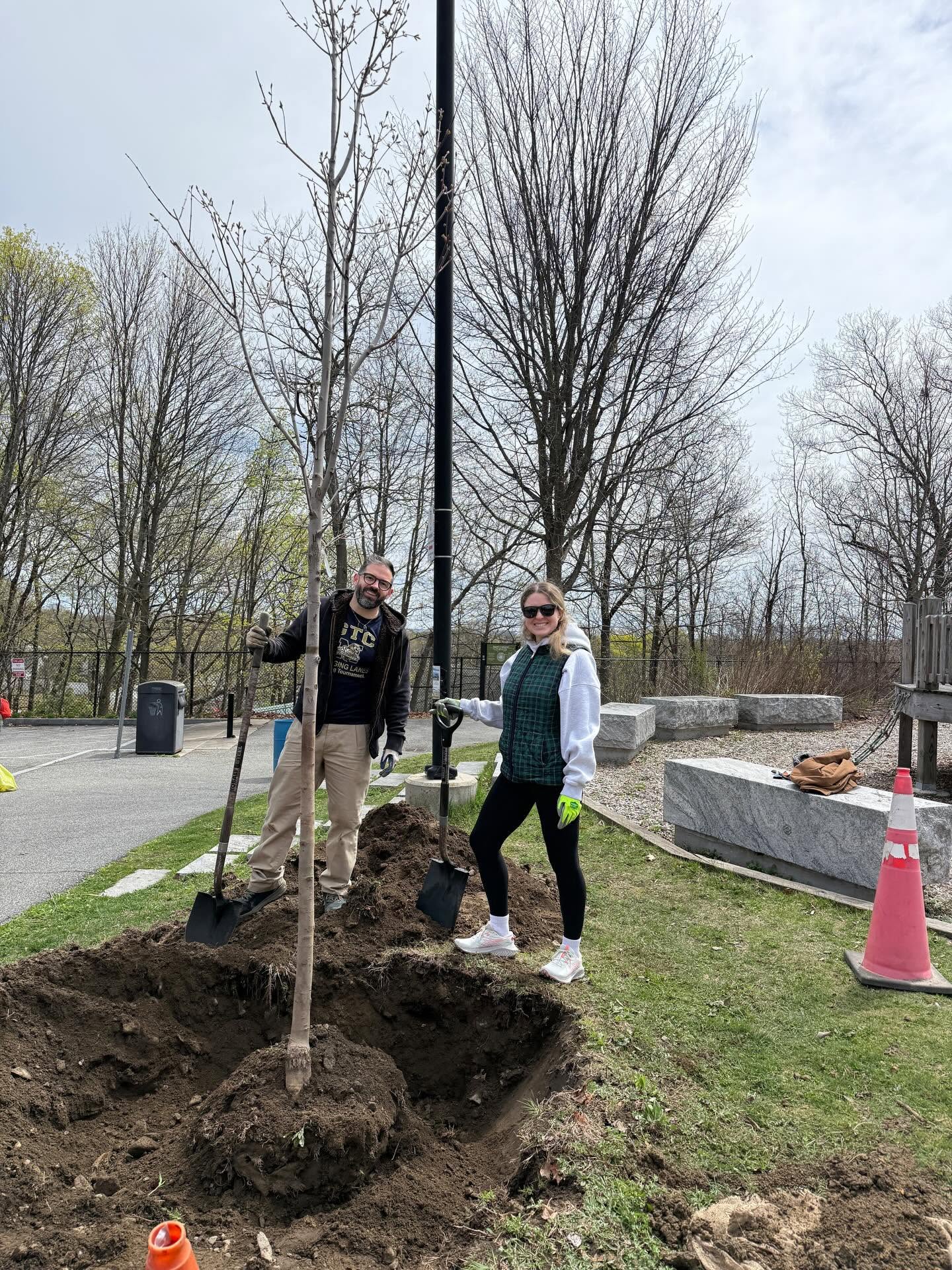
Photo From Ryan O'Malley
“At the state level,” he said, “things are so opaque. The legislature doesn’t have to comply with Open Meeting Law or Public Records Law. We really only know what they want us to know. In Malden, we have a Youth Council, which has to comply with those laws. If children have to comply, then state legislators should.” O’Malley argued that all committee discussions should be open to the public, and also that the legislature should make their proceedings easier for the public to understand and participate in.
O’Malley expressed his strong support for allowing the State Auditor to audit the legislature. “I have full faith that the Auditor knows what she’s looking for,” he said. “The fact that the House tried passing a transparency bill that makes things less transparent feels like George Orwell’s 1984: Opacity is Transparency.”
O’Malley’s focus on protecting public assets comes from his time working as a park ranger. “It is essential to protect and maintain our parks, schools, libraries, and finances,” he said, “so we have the resources to educate our students and maintain our amazing public assets.”
In terms of his approach to legislating, O’Malley said, “I come to this with a number of connections to community organizations, both within the district and outside of it. First, I plan to reach out to other state senators and introduce myself to the ones I don’t already know. I would be looking for cosponsors on the legislation I would be coming into office with, to see who I can get to sign onto the ideas that I have. I plan to work toward strengthening the progressive caucus in the State Senate, aiming to increase our numbers in order to pass progressive legislation.”
“There are a number of state senators and representatives who want to see the institution change but are hesitant to say so publicly for fear of reprisal,” he went on. “I am very specifically running on a pro-transparency and pro-accountability platform, so everyone is aware that this is what I stand for, and I won’t be pressured into changing my position once I get into office.”
One of O’Malley’s passions is planting and caring for trees in the community. “I would like to expand the tree canopies in our communities,” he said, “to make our streetscapes more beautiful and our communities more livable. It brings me great personal satisfaction.”
O’Malley was the first openly LGBTQ city councilor in Malden, and he reflected, “I grew up in a time when being LGBTQ was not encouraged or embraced by the wider society. I’ve been honored to help other LGBTQ councilors get elected, and to have witnessed and participated in the greater acceptance of the LGBTQ community.”
“I’m really interested in learning what ideas my constituents have and how I can help make those ideas better and where possible, help them come to fruition,” O’Malley said. “I don’t have all the answers, and I don’t know everything, so I would be looking to depend on my constituents, local officials, and colleagues to develop good legislation that we can make into law.”