Emma Curtis
Written and Photographed by Nancy Clover
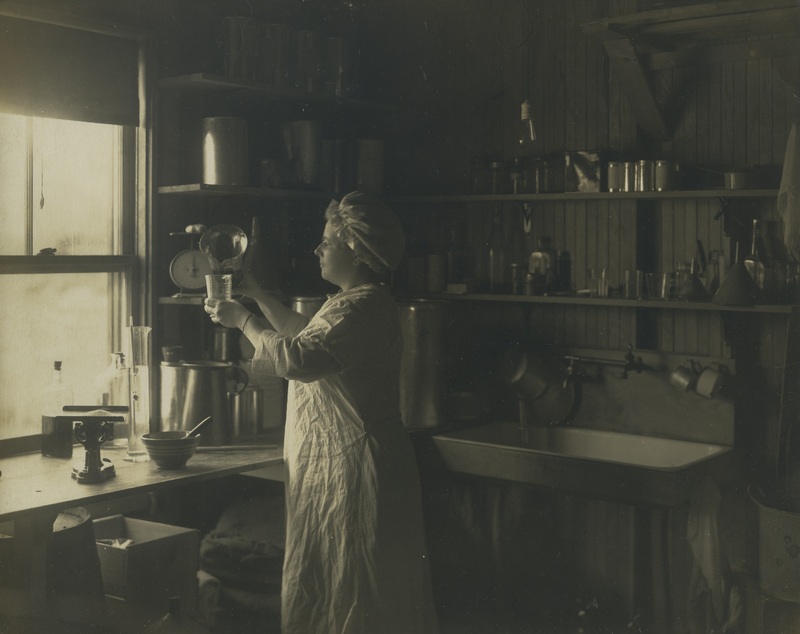
I grew up eating fluffernutter sandwiches. I had no idea its roots were right here in Melrose.
At a time when women rarely led in business or innovation, Emma Curtis began developing and marketing what she called Snowflake Marshmallow Crème — a lighter, sweeter version that helped transform marshmallow from a medicinal substance made from plant root into the fluffy confection we know and love today.
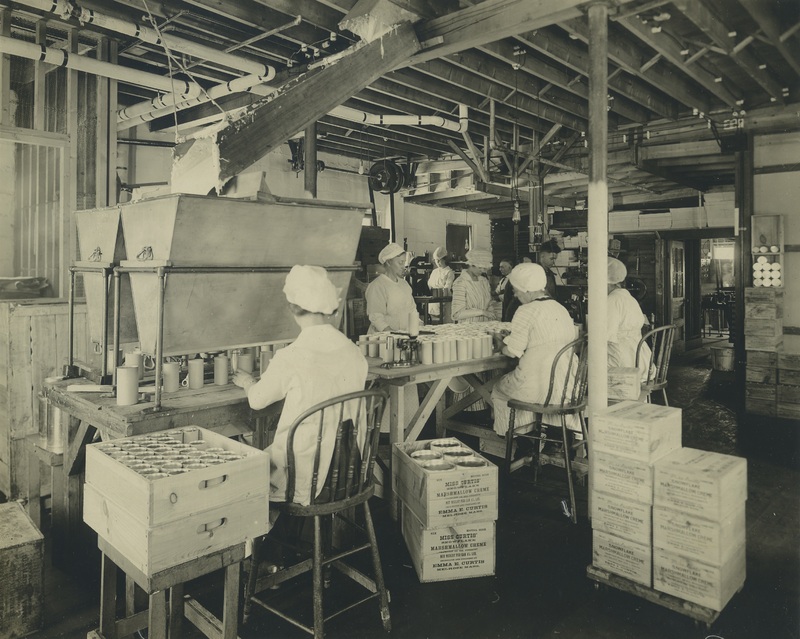
Emma worked alongside her brother Amory Curtis, who had moved to Melrose in 1901 after running a successful business in Boston. He purchased the entire east side of Crystal Street. They began experimenting with marshmallow crème in their basement at 17 Crystal Street. Demand grew so quickly that by 1913, the Curtis Marshmallow Factory was built at 33 Crystal Street — across from where the tennis courts are — making it one of the early commercial producers of marshmallows in the United States.
Their signature product, Snowflake Marshmallow Crème, won a gold medal at the Panama-Pacific Exposition in 1915, putting Melrose on the map in the sweetest way possible.
Emma was the driving force behind making marshmallow crème popular. She developed recipes, published them in brochures, promoted them in newspaper columns, and even hosted a weekly radio show — bringing marshmallow crème into homes across the country, especially throughout New England.
During World War I, Emma, Paul Revere’s great-great-great-granddaughter, introduced the “Liberty Sandwich”. The peanut butter and marshmallow crème on oat bread was a creative solution to meat rationing. Years later, the company introduced SMAC Marshmallow and printed peanut butter and marshmallow sandwiches right on the label — one of the earliest known versions of what we now call the fluffernutter.
Emma Curtis died in 1948, the day before her 85th birthday. Amory, who was much younger, continued to run the company with a cousin until 1962. The business closed that year after arsonists burned down the Curtis Marshmallow Factory, and the company never recovered. The building was demolished in 1968.
Emma Curtis didn’t just make candy. She built a business. She redefined how a product was marketed.
From Crystal Street to lunch boxes across New England — her story is as rich as it is sweet.
Photos courtesy of Melrose Public Library