Candidate for City Council At Large: Maya Jamaleddine
By Ellen Putnam
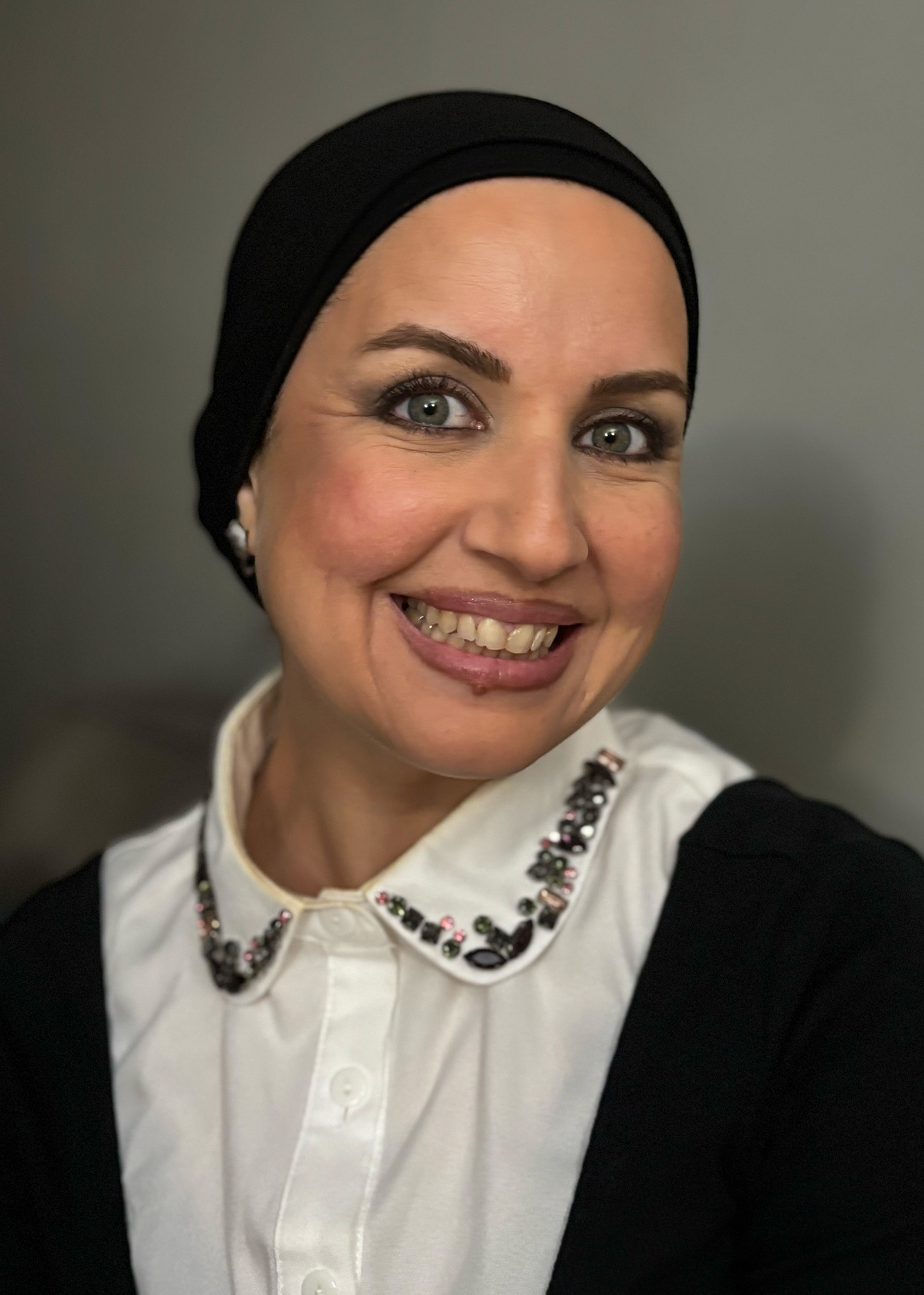
Photo From Maya Jamaleddine
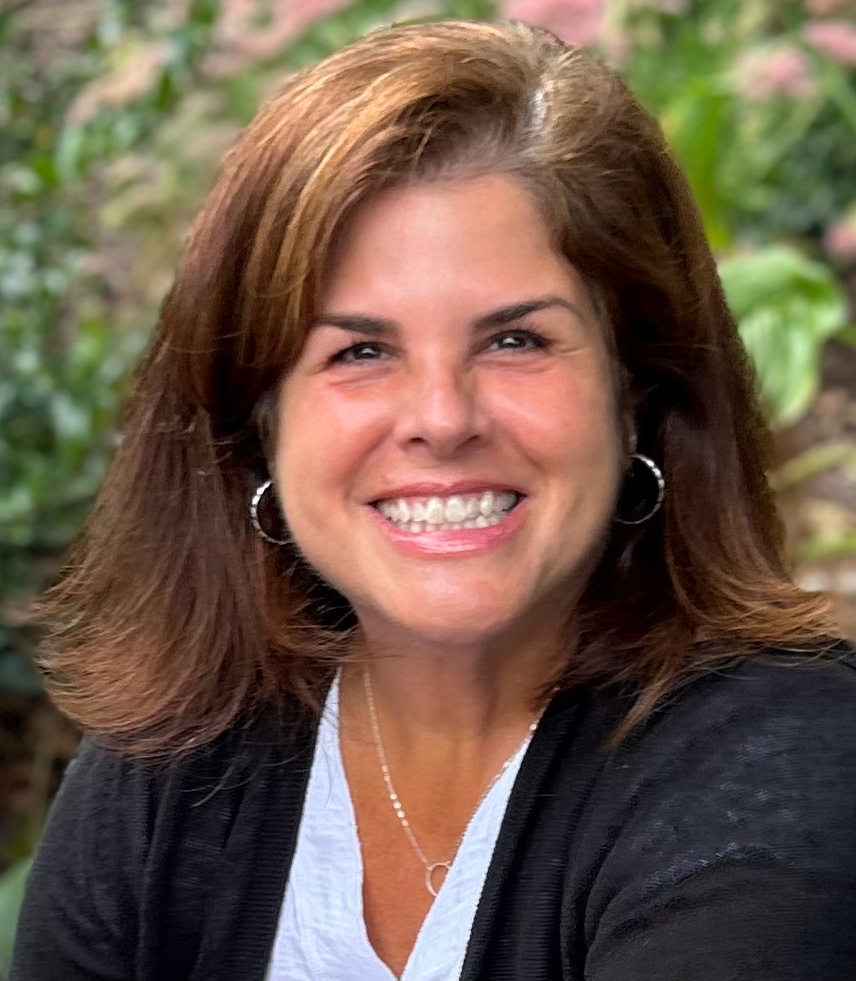
Maya Jamaleddine is running for a fourth term on the City Council to continue her goal representing the entire Melrose community and specifically groups of people in Melrose whom she believes are not otherwise represented in city government.
“When I first ran,” she said, “it was because I felt that a large segment of the population was not being represented on the City Council, and we needed to have a voice for underrepresented people on the Council. Now, looking at what’s going on at the local and the national level, it’s not the time to sit back and say, ‘other people will be able to represent us.’ We can’t just sit on the sidelines. We need to find anything we can do within our own spheres, and I feel I can do something to help by speaking up and making decisions and representing everyone at the Council table.”
On a professional level, Jamaleddine has a background in psychology, public speaking, and advocacy. She has worked in healthcare, nonprofit management, and, most recently, as the director of a youth program. “From that experience,” she said, “I do understand the challenges that are built within our system.”
And on a personal level, Jamaleddine brings to the City Council “my lived experience as an immigrant and as a Muslim, covered woman. I also bring my experience as a mom,” she added, “especially with what’s going on right now with moms advocating for the safety of their children.”
More broadly, she went on, “I am a human rights advocate. Anything that is within the human rights sphere is something that I am very passionate about. It doesn’t have to be about a group that I belong to - any time someone’s rights are being violated, I am passionate about being there to support them, uplift them, and speak up when needed.”
“I am the kind of leader who does not need to pick and choose what my priority is,” Jamaleddine continued. “Whenever there is a challenge or a problem or a difficult conversation that we need to have, I am there for it. I am passionate about specific topics, but on any other topics, if I need to be there for it, I will be.”
One of Melrose’s greatest strengths, Jamaleddine said, “is we are a community that comes together. Whenever there is a challenge that affects one of us, you see everyone coming together to support and uplift them. During difficult times, on a national level or on a local level, our community stands up together.”
“And,” she went on, “I do feel that a large part of our community is willing to invest and compromise to support the schools and provide the best support and the best resources for our students. There’s a whole group of parents and grandparents and people in our community who understand the impact of a good education and know why it’s important to support our students.”
But right now, Jamaleddine said, “I see people being divided into groups - and some groups are able to zoom out and see the whole picture, and some people are only seeing part of the picture. When we talk about budget and how we got here, you can say that we have a problem with how we manage the budget, but when you look at the big picture, you can see all of the different layers.”
“Some of it is out of our control,” she went on, “with federal funding being cut across the nation - it’s not just us who are underfunded right now. The other important thing is, within the last ten years we’ve had three different administrations - Rob Dolan’s, Paul Brodeur’s, and now Jen Grigoraitis’ - and whether they inherited something or passed something on to the next administration, it’s something that our leaders have to deal with. Mayor Jen is not a person who would waste her time placing blame - she’s a doer and she works on solutions, so she’s focusing on how to move on and how to find the solution rather than finding fault, which at this point is not going to help.”
“As a city councilor, I’ve seen our budget in-depth and I understand how the money is being allocated, how it’s being stretched. We’ve been trying so hard to be able to function within our available revenue, and we’ve gotten to the point where there is no more room to be stretched. We are stretched so thin, and we’re seeing that now. We’ve lost so many good teachers, and we’ve lost so many important resources in so many different departments, not just the schools - and our community needs those resources back. It’s from things as small as the trash barrels around town to a social worker for the city to more guidance counselors in the schools. And our students with disabilities rely on us to advocate on their behalf and be able to find those resources for them.”
“This year’s budget,” she added, “was a difficult decision, but we really had no choice but to vote on it. I’m not happy with the budget that we have. We tried our best, and in a way, it was the best-case scenario for us, given our budget constraints. Still, it’s not what I wanted to give the people I represent. I do think that, as leaders, we are responsible for both having very well-funded departments across the city and finding resources for our constituents, especially our older adult population - and I was happy to recently be able to increase the tax relief available for seniors.”
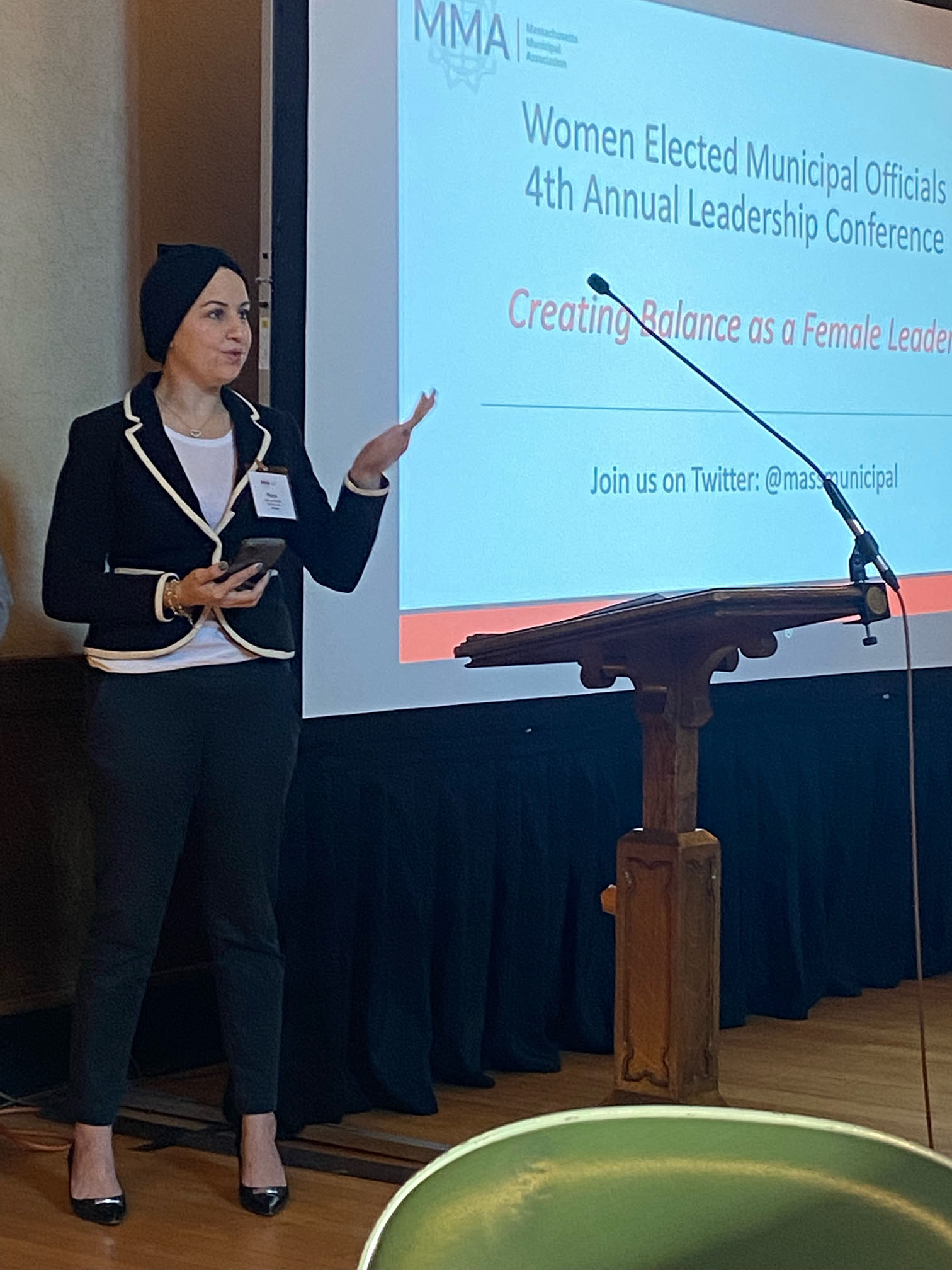
Photo From Maya Jamaleddine
On the override questions that will also be on the ballot, Jamaleddine said, “I support ‘Yes’ on all three questions. I do feel that it’s up to the public to decide which level we should go with, but I think that Melrose needs the highest funding level possible. If the public decides that we’re unable to fund the highest level, then we at least need to get one of the lower levels passed, because Melrose cannot function next year without an override. We will see a lot more problems happening, and it’s not going to be in just one department - it will be across the city.”
“We also need to be better funded,” she went on, “so that we can support our minority groups - from our students with disabilities to our minorities who are experiencing discrimination in the schools and in the community. We need to be able to find resources that would educate others around us and support those people directly in order to achieve equality.”
“If the federal government stays closed, the impact will be devastating,” Jamaleddine continued. “We’re not just talking about food insecurity or lost benefits — we’re talking about families losing access to healthcare, jobs, and basic stability. The circle of people affected will grow wider. What we once called ‘minority’ or ‘vulnerable’ groups will include more of us — working families, seniors, parents just trying to get by.”
“As a social worker and a city councilor,” she said, “I’ve seen these struggles up close. It’s why I pushed to create our city’s social services position - because I knew how critical it would be to connect residents with resources and support in times like this. If this shutdown continues, I’ll work with the administration to make sure every resident has access to the help they need. And I’ll keep standing with our Health Department and community partners to protect programs that save lives — from food assistance to opioid prevention.”
“Every day, I face decisions that test my values,” she concluded, “But I will never compromise on compassion, equity, or doing what’s right for our residents.”
In the most recent City Council session, Jamaleddine introduced resolutions calling for an end to the war in Gaza and condemning ICE, which generated some heated discussion in the community among those who supported those resolutions and those who saw it as overstepping the City Council’s authority.
“I am a strong believer that during the time we’re going through right now, municipal-level politics should not only be local,” Jamaleddine explained. “We are in a time where what’s happening nationwide is impacting our community, and our local elected officials have a big role to play on these topics. Some of my colleagues and some community members may feel that it’s not our role, but I am happy to have that conversation, because I believe that local politics do have impacts, whether on a personal level for the people we’re representing or by putting pressure on legislators on state and national level.”
“I invite everyone who is going to serve on the City Council in this next term to reflect on these issues and try to find ways to do what’s within their control to change things and make an impact,” she went, “because the City Council is a body that can make an impact and put policies and procedures in place that will support LGBTQ people and black people and people with disabilities. And we can advocate and represent and find more resources to support undocumented immigrants, who are being targeted right now in every community. And as local elected officials on the municipal level, we have a role in ensuring that we can communicate with our police department and work with them to ensure that we are protecting the people we serve.”
“Those topics are issues within our community as well,” she said, “and yes, we have to make sure our city is running and we have water and we have power and we have roads and infrastructure, but our role goes way beyond that. Within our community, we have people who are impacted directly by it, and it is our responsibility to speak up for them when they need us, and speak our morals and values. I hope that we, as a body, are able to work together on these issues.”
“I am a person who doesn’t hide my values,” Jamaleddine emphasized, “and I don’t hide what I stand for. I speak about what I believe in.”
Jamaleddine is also concerned about development in the city: “I do feel this is something we need to address in a smart and strategic way,” she said, “(state law Chapter) 40b is not within the City Council’s role and control, but I do feel that the administration and the Zoning Board of Appeals need to reassess and reevaluate the number of potential developments and their locations in the city and put in new rules and guidelines for developments that would make the process more transparent. The Council can definitely explore setting new zoning guidelines, but we need to look at what’s within our control to see how much leeway we have. There are so many different pieces for that puzzle to come together.”
When she is working on legislation on the City Council, Jamaleddine said, “I do my research: I read a lot about any order or issue that comes before us, and I learn about it and try to see it from different angles, and think about how it impacts different groups of people. I speak with the administration and with different departments to understand the legal aspects of it. I do my own research into other communities around us, to see if they’ve gone through the same thing, and what the impact on them was.”
“And I try to reach out to people who will be impacted by it to hear from them,” she went on. “When we have a decision in front of us, I’m not going to go knock on every door and hear from everyone - that’s just not realistic - but I do reach out to specific people, and I make sure that it’s not the same group every time - to hear their opinion and understand how the decisions would impact them, and I take into consideration all of those different factors before I make a decision.”
Jamaleddine has four children who have all attended the Melrose Public Schools. She is originally from Lebanon and speaks English, French, and Arabic fluently. She served for five years on the Melrose Human Rights Commission, before she ran for City Council.
“I’ve been in office for six years,” Jamaleddine reflected, “and I hope that my constituents know by now that I’m always accessible to them - people can always reach out, and I’m always there to hear. We may disagree on some things, but I am committed to listen and respect other people and find ways to support them whenever I can.”