Candidate for City Council At Large: Ryan Williams
By Ellen Putnam
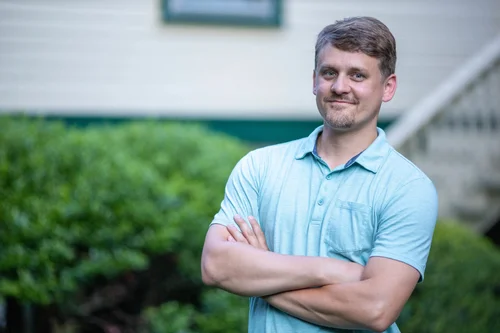
Photo From Ryan Williams
Ryan Williams is running for a third term on the City Council because, he said, “I really enjoy the work, I think that I have a lot to offer, and I don’t think my work is done yet. We need a collaborative and functional group of people on the City Council who want to work together, and that’s what I’m there to do - I’m on the Council to work together as a team with the other councilors, to solve problems and make the city a better place.”
Williams represented Ward 7 in his first term on the City Council; when his family moved out of the ward in 2023, he shifted to the At Large race, where he is now running for reelection.
“I’ve been doing this for four years,” he said, “and that included chairing multiple committees. On top of that, I’ve been heavily involved in local neighborhood advocacy on a number of issues for going on ten years - I’ve been working with people issues on street safety and other concerns they’ve had a hard time getting to City Hall and finding resolution on.”
Professionally, Williams works as a fundraiser which, he said, “is all about finding the best way to connect people’s financial goals with the change they want to see in the world - it’s not just about getting money in the door, but also about making sure that people see how their money was well spent, and helping them feel good about giving again and again.”
Williams sees a direct connection between his work and what he does on the City Council: “It’s important for the Council and the city as a whole to understand that people need to be thanked for their contributions,” he explained. “They need to see the effect of it in front of them, in their lives and on their streets. We need to have regular, ongoing conversations with people to figure out when their priorities have changed, and what you might need to do that they don’t think you’re doing.”
Williams’ work on the City Council is guided by several key values: “Honesty and transparency,” he began. “People throw the word ‘transparency’ around a lot, but when I say it, I mean understanding what the thought process behind a decision was, and what steps went into it, even if you don’t like the answer. It’s all about having a fair process and a fair understanding of all of the different competing priorities and the legal boundaries - why we came up with what we did.”
“And candor,” he went on. “Being direct with people, and if you disagree with them, to disagree with honesty and integrity. Collaboration is very important - I think the City Council actually works quite well together, but we need to do a better job of highlighting how we work together.”
After a few sessions where the City Council, in Williams’ view, was learning to work together effectively, he said, “We’re at a point where we’re ready to have a more additive approach - to build on what we did over the last few Council sessions, and try new things to see what we could be doing differently.”
While, Williams said, “I don’t think that any one person can change the way the City Council works together, it’s about being a person who is openly out there to work together, and that’s what I want to focus on over the next two years: to work together with the other councilors and see what their goals are, what their constituents want and need, and put together a plan to get it done.”
“There are some things that everybody in Melrose agrees on,” Williams reflected. “Everyone loves our walkable streets - it’s great to walk places, whether you’re young or old or your family has lived here your whole life or you just moved in. And I love the vibrancy of our community - you can sit on your porch any day and watch dozens of people go by. Melrose feels like a little neighborhood, but without the drawbacks that a lot of neighborhoods in bigger cities have - we don’t have any highways cutting through the city, there’s no big industrial district that creates pollution, we have a strong system of neighborhood schools, we have a centrally accessible downtown and high school campus - it’s like a little neighborhood made into its own city with its own government. There’s no bad part of Melrose, no area that is held back or ignored.”
“But,” he added, “None of that would matter if nobody lived here. Our greatest strength is our people. They’re super active, they campaign and knock on doors and stand up for what they believe in, whether they think something is right or not. They go out and hold signs and make themselves known - we have a very engaged group of folks.”
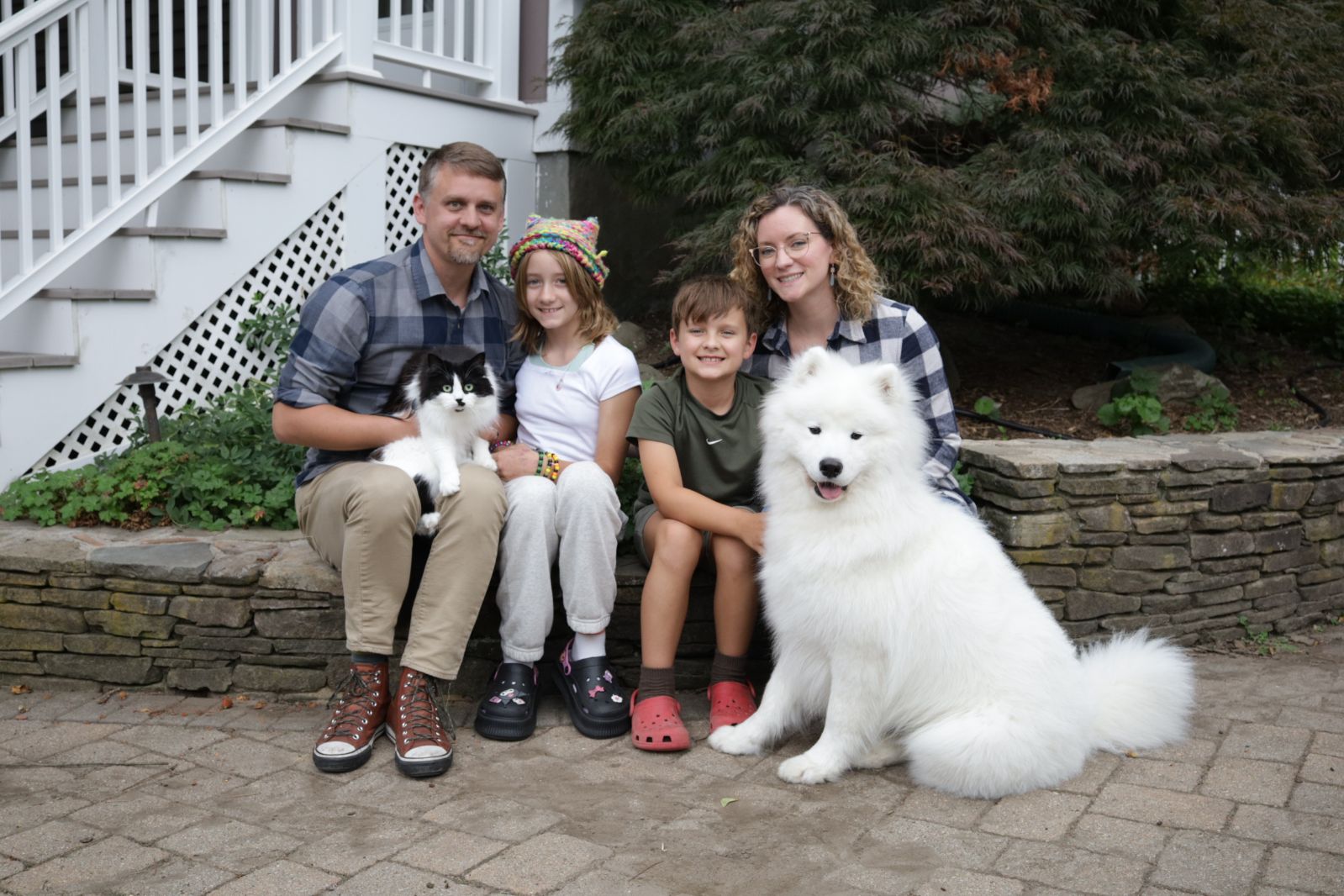
Photo From Ryan Williams
“Our biggest challenge,” Williams continued, “is the fact that we don’t have a strong commercial district that can balance our need for residential taxes. I’ve heard a lot of interesting ideas on this. People say they want to incentivize more businesses to come in, but it’s just a fact that we don’t have either the available land or the ability to draw in enough people to make a large commercial development attractive in our city.”
“And there’s a tradeoff to it,” he went on. “If you want to have a Redstone Plaza or a Square One Mall or a MarketStreet, then you have to find a place to put it, and you have to find a way to get people there. We’re just a little too far outside the transit hubs to bring all those in by bus and train, so the tradeoff is, if you want to create economic opportunities, then you have to accept the downsides: more traffic; large, wide roads to get traffic in; large parking lots. We can’t bring in the significant amount more of commercial taxes we would need without substantial pain and negative tradeoffs. I would much rather pay higher property taxes instead of destroying a part of our city like that.”
“We can certainly advocate for more small commercial properties throughout the city, and I have personally advocated for more commercial space,” Williams said. “There’s a steady drumbeat of developments going in, and many of those have included retail on the ground floor. The new Caruso’s building will have a restaurant on the ground floor, and a lot of people want that. I supported the zoning reclassification of the building where Firefly Bicycles is as light industrial - now we have a business that produces $15,000 bicycles where there used to be a vacant building - and that’s additional property tax revenue for the city. We have the opportunity as councilors to advocate for these things when our voice can be helpful.”
“But if someone says they’re going to double our commercial tax base,” he continued, “frankly, it’s not going to happen. We’re in a position in this city where residential taxpayers are the ones holding the bag.”
Williams also talked about the prospects for additional state aid: “There’s this idea the state could just pay us more - but Melrose is a fairly well-off community. Not everyone is doing as well - and there are some tax breaks and programs available for people who aren’t - but there are a lot of folks in this community who are doing better than people in our neighboring communities. So when the state looks at their wish list for cities and towns to give aid to, Melrose is not as high on that list.”
“And then there’s the federal government,” he added, “which seems to be withdrawing billions in grants every other week. The state budget is a fixed number, and it’s a zero sum game - if you have to pull $20 million out of the state budget to try to find a way to plug the holes left by the federal government, then it’s not unreasonable to think that the state may start looking at baseline formulas to see if they can stretch things a little more and make ends meet. We need to right-size our budget, not just for now, but for the future.”
“And we have a pension obligation that’s going to hit,” Williams went on. “When you talk about forecasts, that’s the one that will make you sweat. Right now we’re struggling to deal with a $2-3 million school funding gap and a $2-3 million city fund gap - now add on top of that a pension contribution that is required by law and in a few years will be an additional $2-3 million per year that we have to pay. It has to come from somewhere.”
On the override questions that will be on the ballot, Williams said, “I think it’s good to see an honest estimation of the city’s financial needs, and we have that in this three-part question.”
“The lowest amount, $9.3 million,” he explained, “is basically emergency funding to prevent more cuts; the middle amount, $11.9 million, provides a stabilized budget that turns the clock back a little and brings us to a better picture in terms of our financial health; and then the highest amount, $13.5 million, is, frankly, what the city needs in order to be the kind of place we expect of it - with high-quality education; fast, high-quality city services; regularly repaving multiple roads throughout the city; making major repairs to infrastructure; having sufficient city staff to do all work we’re asking of them; and subsidizing the cost of some services for residents - block parties, sports, annual events like the Victorian Fair.”
“I do worry a little that the lowest override level just isn’t going to be enough,” Williams acknowledged, “and it’s going to put us back in the position to be in front of voters asking for another override sooner than we would like. I would encourage everyone to vote “Yes” on all three questions so that everything has a good chance of winning - we need all of it. I would encourage people to look at the Yes for Melrose website to better understand how the questions work - and I think, in the future, we might want to settle on one question that we can be focused on.”
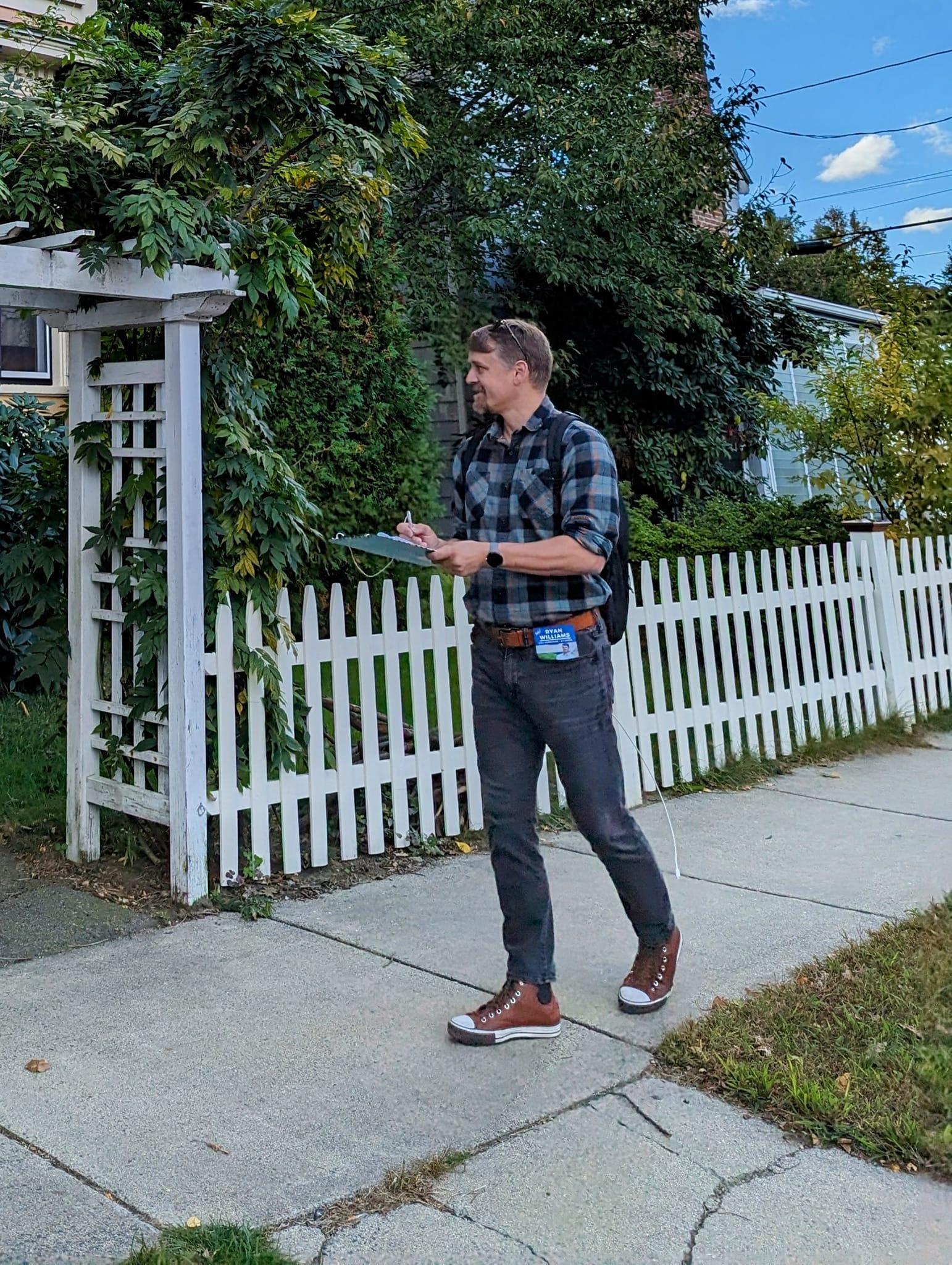
Photo From Ryan Williams
Outside of the city’s financial challenges, Williams said, “the most important issue for us is planning. We have to manage the growth of our city and plan for the future, and continue aligning our plans with some of the community goals we’ve established for ourselves. That includes our Housing Production Plan and a future Vision Zero or street safety plan. The multiyear financial plan that the mayor developed as part of the override process is a good step in the right direction - we need to take that and build on it. Hopefully, if we pass an override, then we will have the funding to actually execute some of these ideas and keep building in the right direction.”
“We’re under a lot of pressure right now. I think that people know that the idea that we’re going to stop moving and stop growing is not really a serious idea - it’s just not possible - so we have to find a way to manage it. We need to bring as many residents along with us as we can, and work toward a consensus on the future of our city. And people need to see how different plans and approaches stitch together and ladder up - how they work together and how they elevate the city and the residents to make Melrose a better and better place to live.”
Talking about his approach to legislating, Williams said, “Don’t assume anything. Talk to as many people as you can, and listen to the people who tell you that something’s not right, because even if you don’t agree with them, they might have a point. Don’t be afraid to pause, take a breath, and think about it. Don’t be afraid to work over multiple meetings to come to a consensus. That’s what the open meeting law is for - so people can understand our thought process as we work through things. Not every ordinance needs to be decided immediately, in the same meeting it was brought up in.”
Williams also talked about “having honest conversations with other councilors and finding out how they feel about something that’s before us, to figure out where their pain points are, and potentially to connect them with resources to help them better understand it. We’re all volunteers, and some of us have expertise in certain areas, but no one is an expert in everything.”
“There aren’t a lot of things that come before the Council where I am a hard ‘yes’ or a hard ‘no’,” Williams added.
“Part of experience that I have gained over last few years is understanding what the Council can and can’t do, and what a councilor can do outside confines of a City Council meeting,” he went on. “A lot of the work that we should be doing, and that many of us are already doing, is showing up to lend support to causes, helping connect dots on thorny challenges that residents have, and just showing up to events and being present in the community.”
Williams talked about the informational order on street safety he co-sponsored this spring. “Not everyone on the Council thought that the Council was the right place for that discussion,” he said, “but I disagree - it’s a venue where residents can meet the city with lots of advance notice, directly talk about the things that bother them the most and concern them the most, and those city folks are compelled to be there and listen to what they have to say.”
“I don’t think we should be having city officials dragged out for hearings every week,” Williams added, “but I think that the City Council is the right chamber to have these tough discussions and invite residents to share their ideas - and open-ended hearings and resolutions are the right tool to meet that goal.”
Williams also noted that, while some people disagreed with the City Council passing resolutions about national and international issues, in his view, “I think the City Council is exactly the right place - it’s a public forum free of the constraints you might find having that conversation in another setting. It’s neutral, people are all allowed to speak, everybody follows the rules about how they can say their piece, and everybody is heard. I think we could do more of it. I want to see more residents show up at City Council meetings, and I want to do things that they care about and show up for.”
“I’ve met a lot of people over the years working on safe streets,” Williams reflected, “I’ve helped people fix their streets and intersections and sidewalks and I’ve led bike buses to get kids active on their trek to school - and along the way, I’ve learned a lot about all of the other hopes and dreams that people have in our city - not just about their streets, but for themselves and for their kids, and I bring that with me to every City Council meeting.”
“I think a lot of people may know me as ‘the bike guy’ or ‘the safe streets guy’, but if you get somebody outdoors talking about their street, they’ll talk about other stuff, too. You get to know a lot of people and all the different issues they have, and all the different ways the City Council can help them live a better life.”