The Melrose Messenger’s Quick Guide to City Budget Season
By Ellen Putnam
City budget season officially began last week when the Melrose Public Schools published their proposed budget for the 2026-27 school year (which corresponds with the city’s Fiscal Year 2027 - FY27). Budget season runs through July 1st, when FY27 begins.
Let’s do a quick rundown of what residents can expect this budget season.
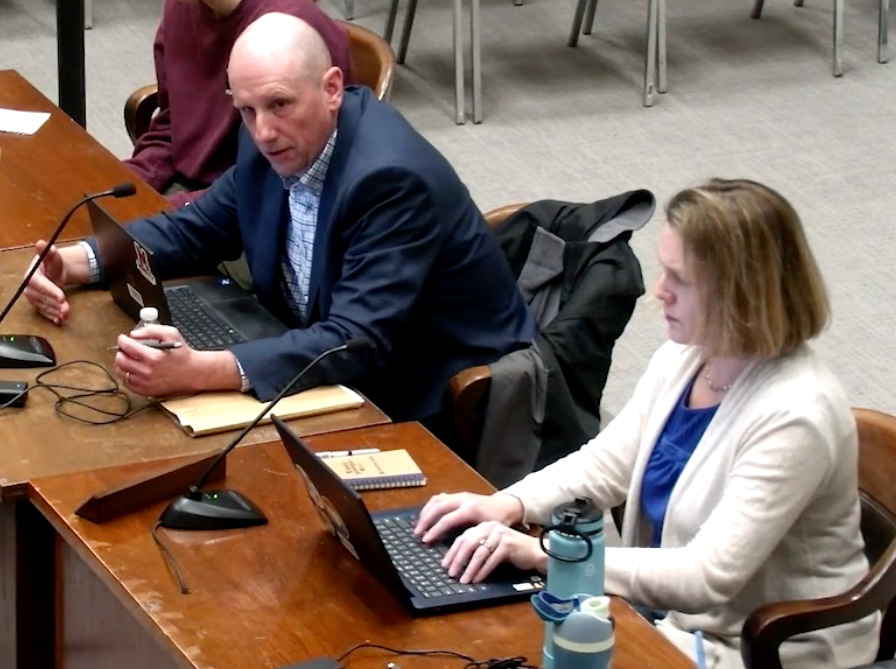
Over the next month, the School Committee will deliberate and then vote on the budget for the Melrose Public Schools (MPS). They will vote on how much of the school budget - the total amount for which is set by the Mayor’s Office - will go to each of the following categories:
- Franklin/ECC
- Elementary
- Secondary
- Athletics/Extracurricular
- Teaching and Learning
- Special Education
- Administration/Districtwide
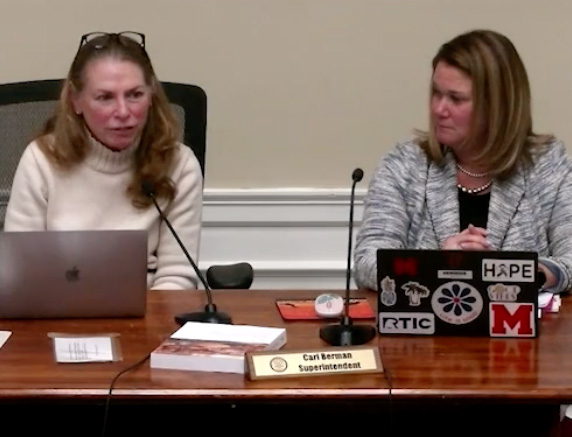
While MPS administration has published a line item budget enumerating where they plan to spend funds for each category, Superintendent Cari Berman and her staff can move funds around within each category after the School Committee approves the budget, without the need for an additional vote.
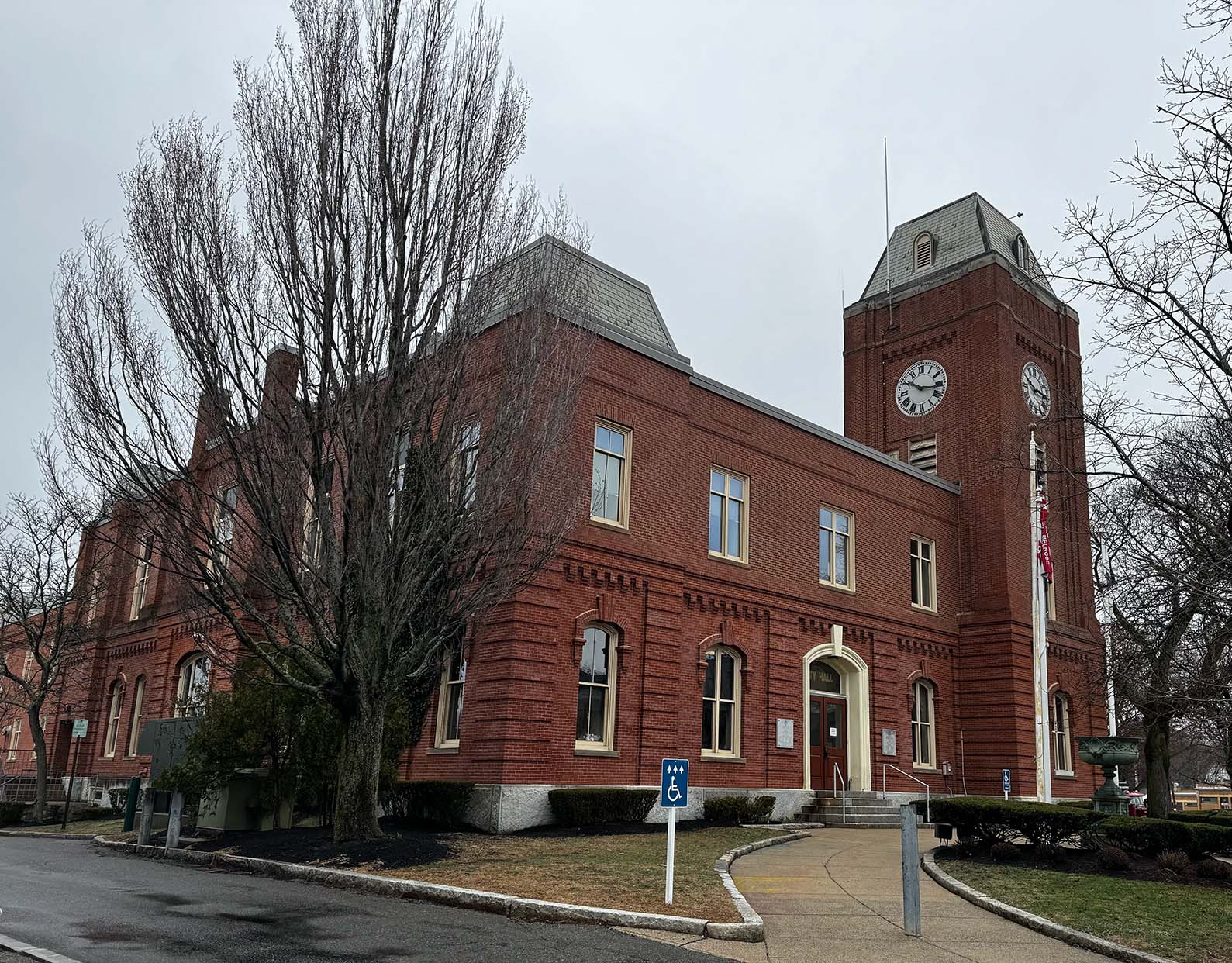
After the school budget is approved, attention shifts to the general city budget. The Mayor’s Office will publish her proposed budget in late April or early May.
Then, from May through early June, the Appropriations and Oversight Committee of the City Council will meet twice per week (Monday and Thursday) to hear from department heads about their proposed budget.
The City Council can vote to approve or reduce a budget category, but they cannot add money to a budget category. As with the school budget, department heads have the authority to shift funds from one line to another within a budget category once it has been approved.
(Residents may remember that the MPS budget is a teaching and learning budget, which means that a number of expenses for the schools are housed in the general city budget, including school nurses, custodial staff, employee benefits, and capital expenditures.)
At the same time, the City Council will be approving appropriations from free cash from FY25 - the funds left over after the FY25 budget was closed out last July. Municipalities aim to have at least 3-5% of their budget return as free cash each year. (This is considered a good budgeting practice which, among other things, helps the city’s bond rating.) Free cash from FY24 was $5.85 million - although city officials budgeted for less free cash in FY25, so residents can expect that figure to be lower this year.
Free cash is used for a range of onetime expenses for the schools and other city departments. Similar to the regular budget, the City Council can approve, reduce, or deny free cash requests, but it cannot add to or propose new ones.
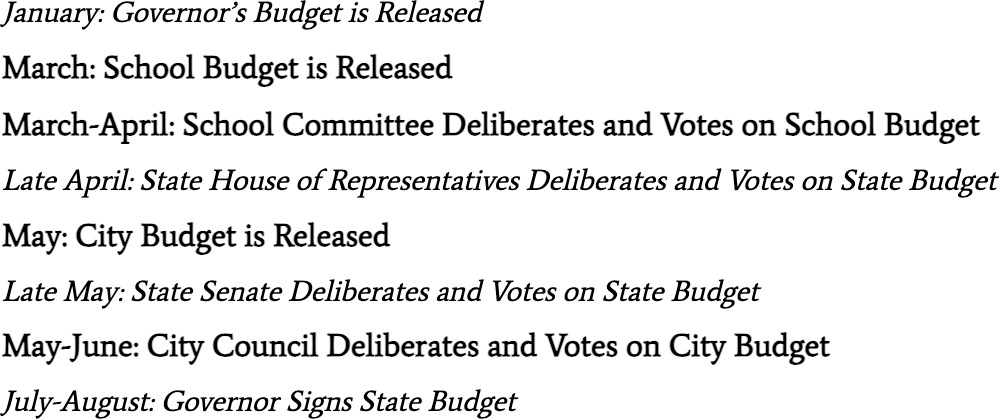
Approximate Budget Timeline
While the city is setting its budget, the state legislature is working on the state budget for FY27. State aid (in the form of Chapter 70 education aid and Unrestricted General Government Aid) generally doesn’t change much between the Governor’s proposed budget in January and the final budget, but it can see small changes. The state House of Representatives generally passes a budget in April; the Senate in May; and a final bill is usually signed by July or August.
Due to the passage of a $13.5 million override in November, this budget season will look quite different from the last two budget seasons, which each saw significant cuts across both the school and city budgets. The override was specifically intended to stabilize the city budget through the end of this contract cycle (FY29) to avoid the need for another override before then. That means that, currently, there may be more room for onetime expenditures in the budget, although residents can expect that more of the override funds will go to contractual salary increases in subsequent fiscal years.
The supplemental budget for the override funds that the City Council approved in December offered a preview of how the override funds may be used. In the supplemental budget, 25% of the funds went to labor costs; 55% went to onetime capital expenditures; and 7% went to pay down future obligations in the city’s pension and post-employment benefits funds.
Similarly, in the FY27 budget residents should expect to see override funds go to some combination of salaries, operating expenses, programming, capital expenditures, and savings (pension, post-employment benefits, and stabilization funds) - but precisely what that combination will be, and which capital projects will be prioritized, won’t be clear until the full budget is published this spring. (Before then, residents can get an idea of which capital projects might be on the list from the city’s most recent Capital Improvement Plan, which was published last month.)
Residents can share their opinions about the school budget by reaching out to School Committee members or speaking during public comment at a School Committee meeting (either in person or virtually). Residents can reach out to City Council members or speak during public comment at a City Council meeting to share their thoughts about the city budget or free cash expenditures.
And we’ll continue to cover the budget process in depth, so make sure to subscribe and follow us, and reach out if you have questions or want to see a deep dive into particular areas of the budget!