Victorian Fair Went On Despite Rain
Written By Patrick DeVivo and Ellen Putnam
Photographed By Nancy Clover
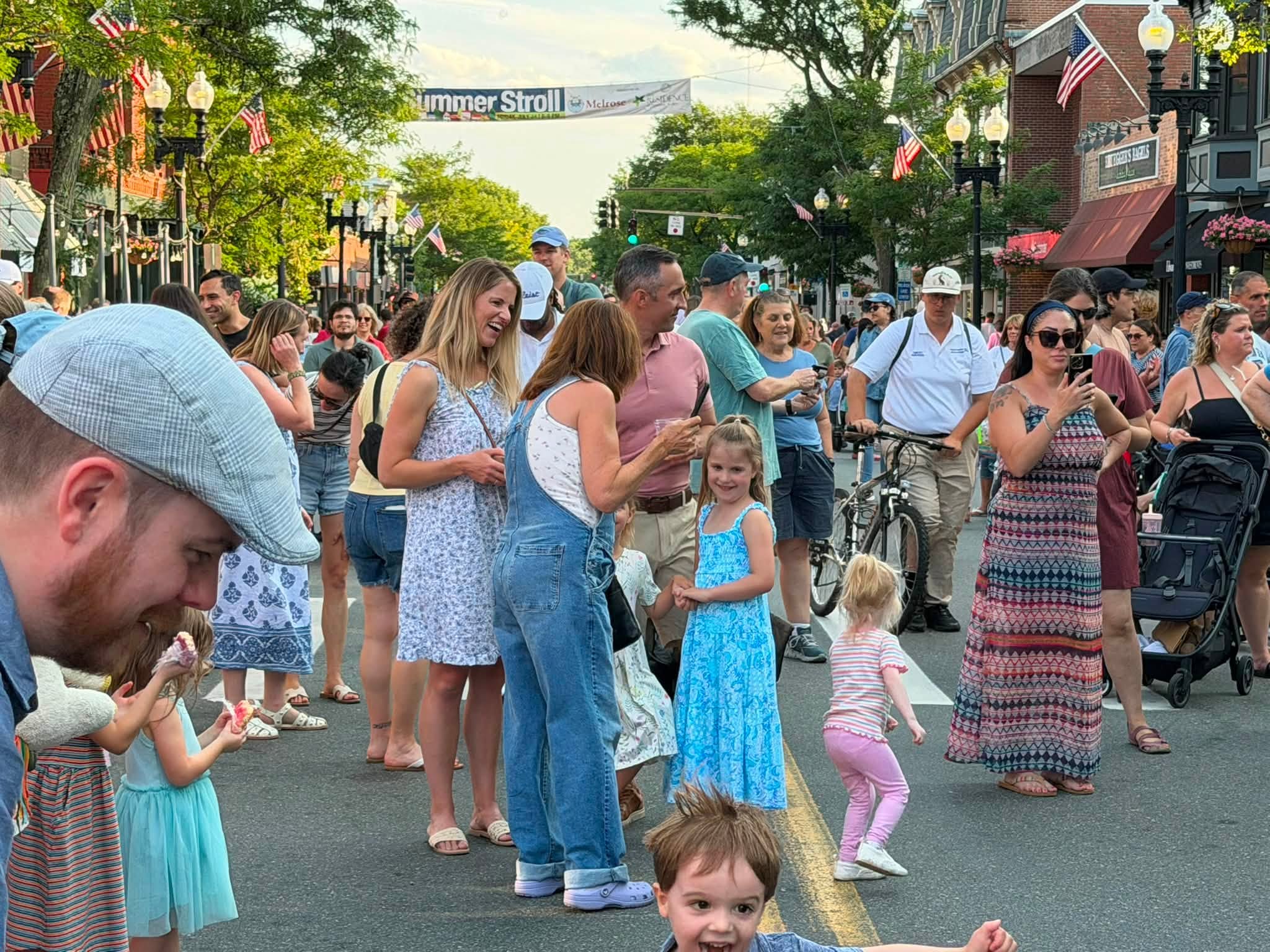
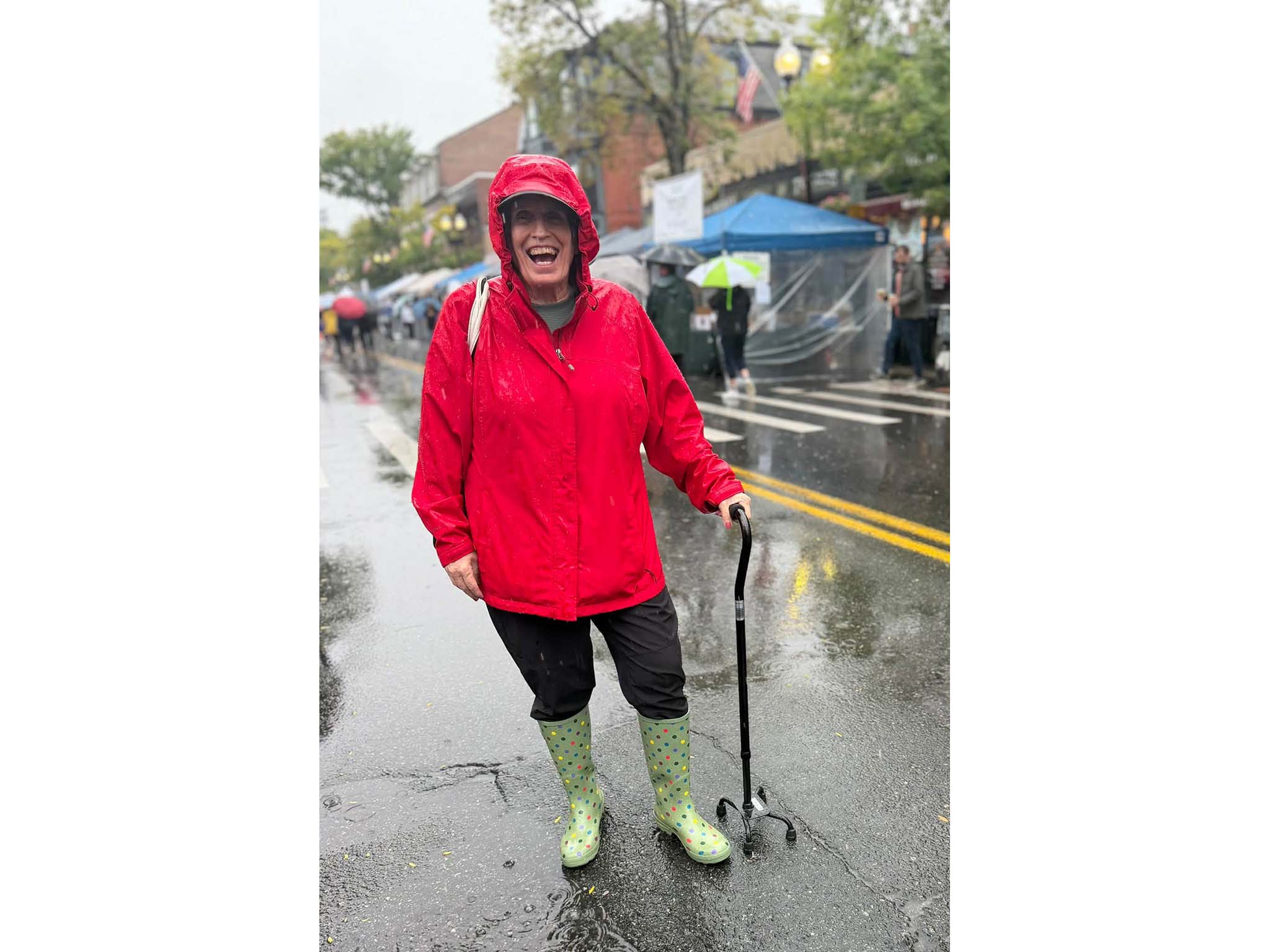
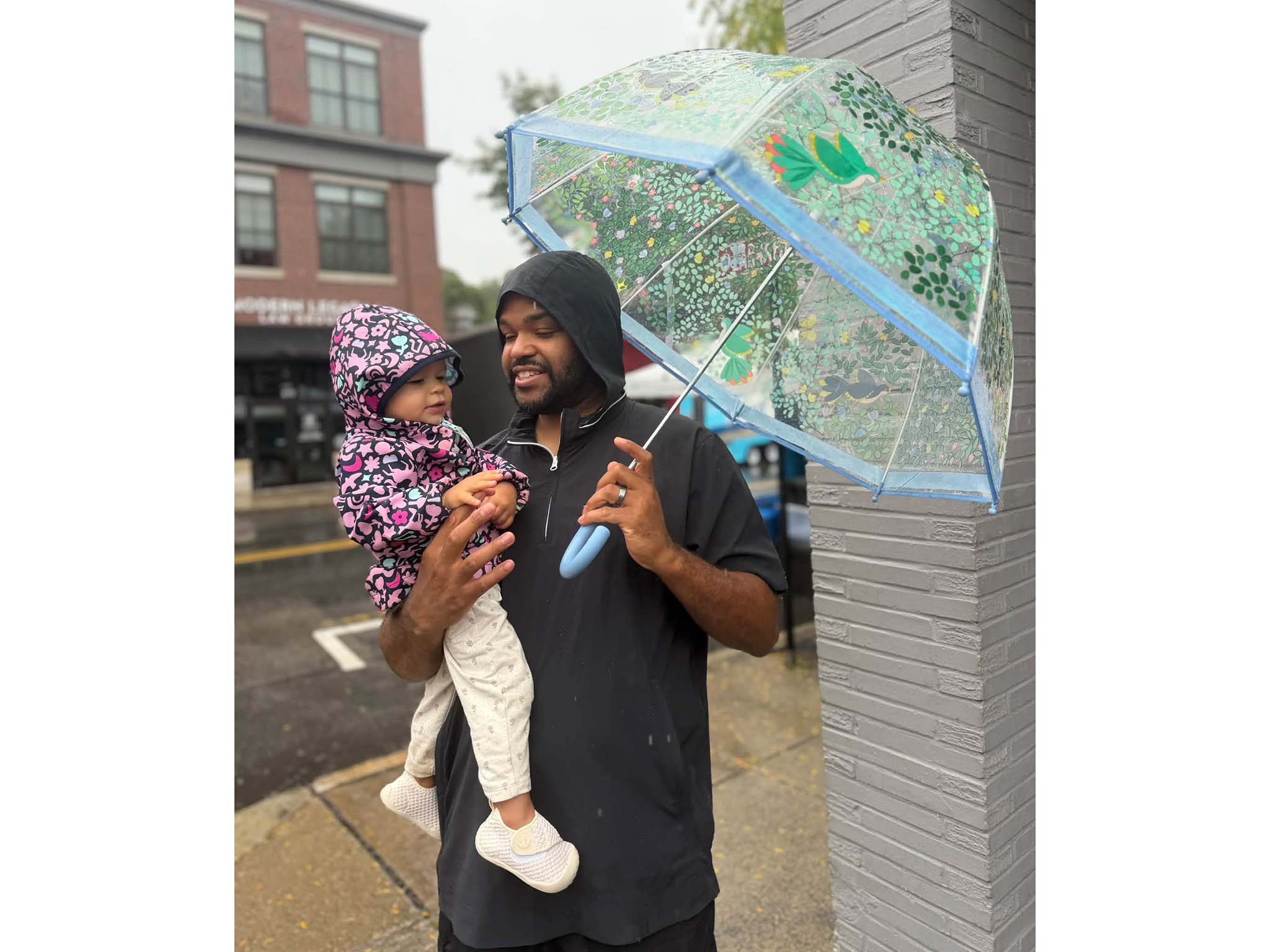
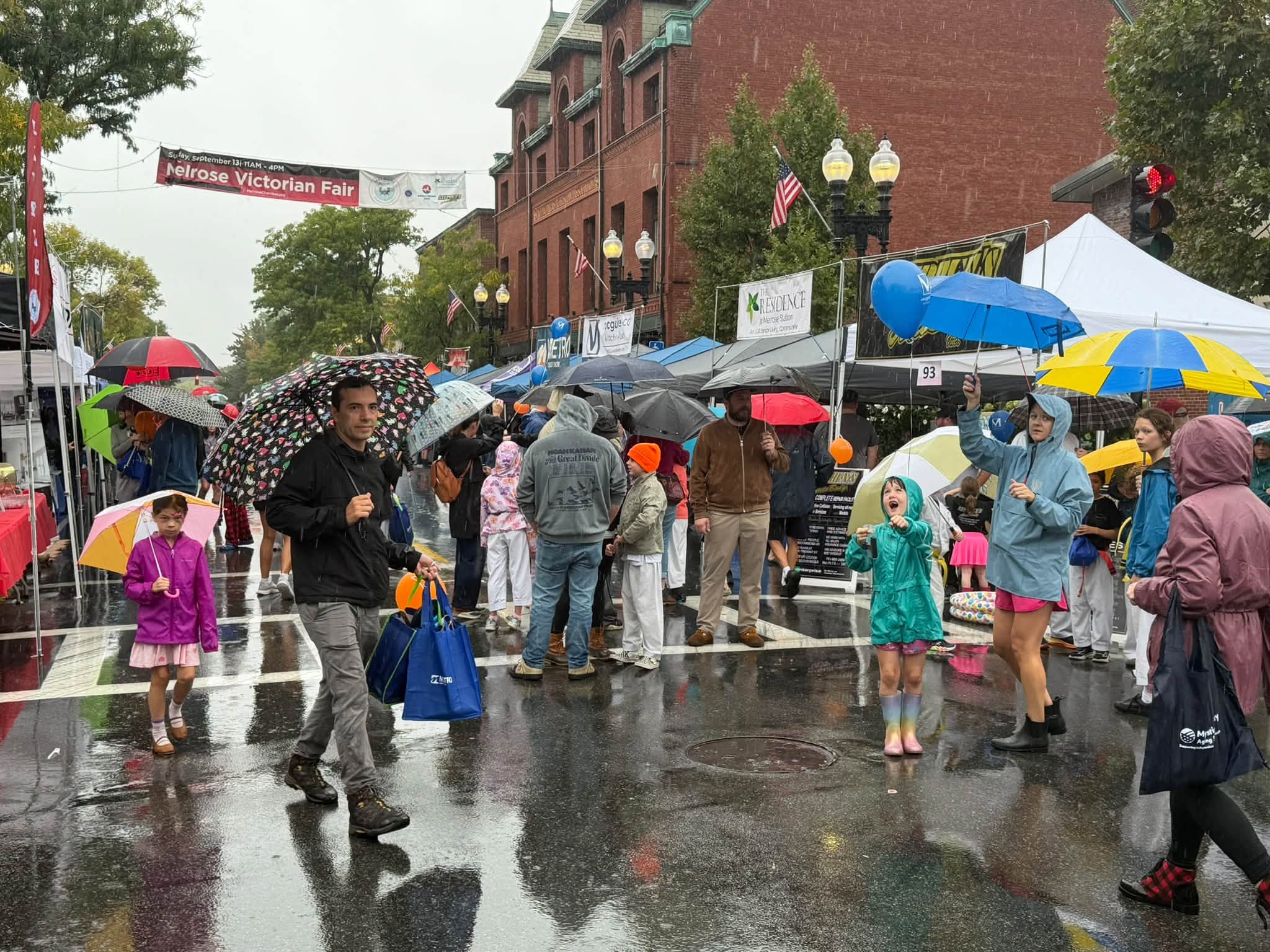
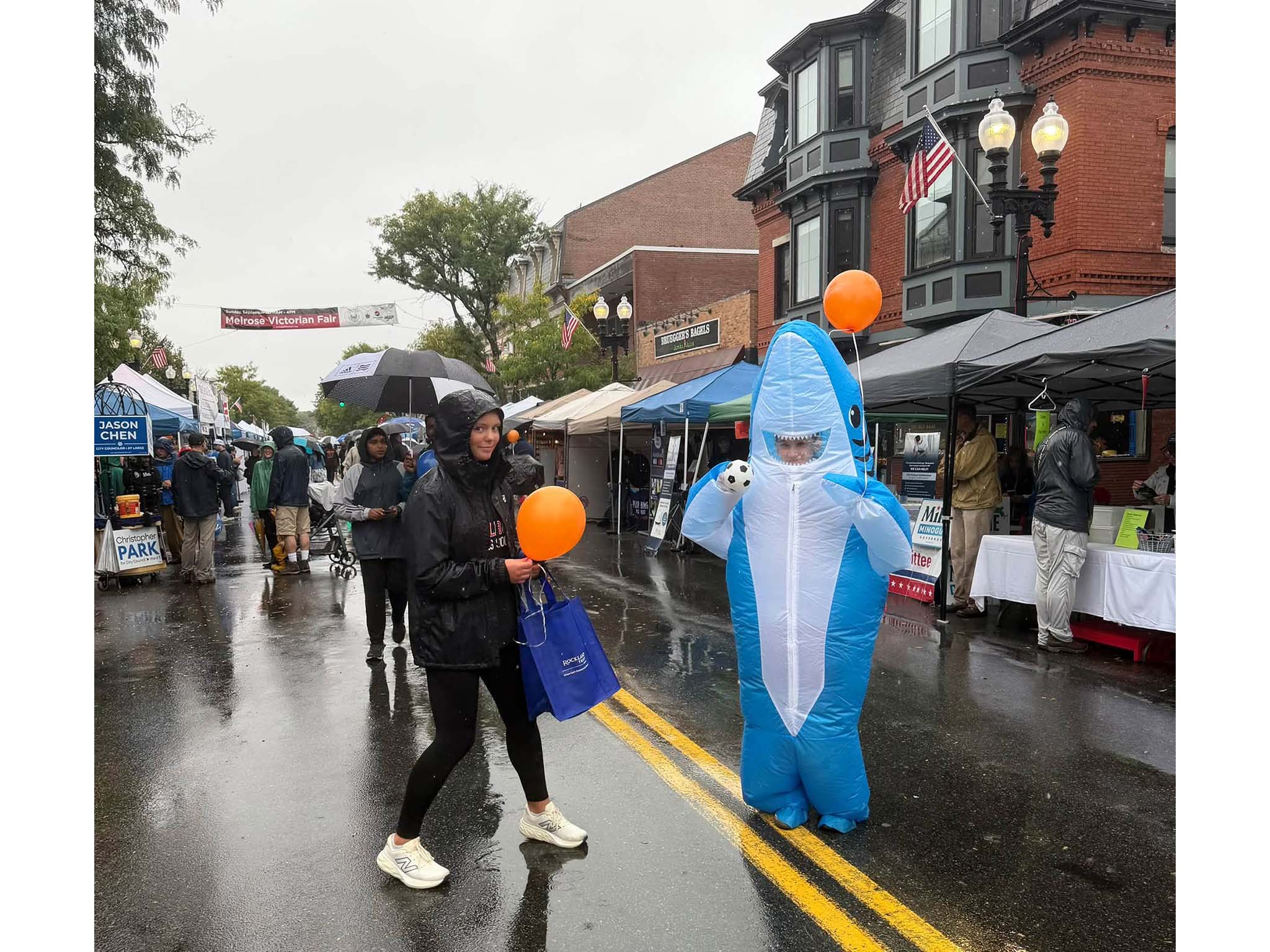
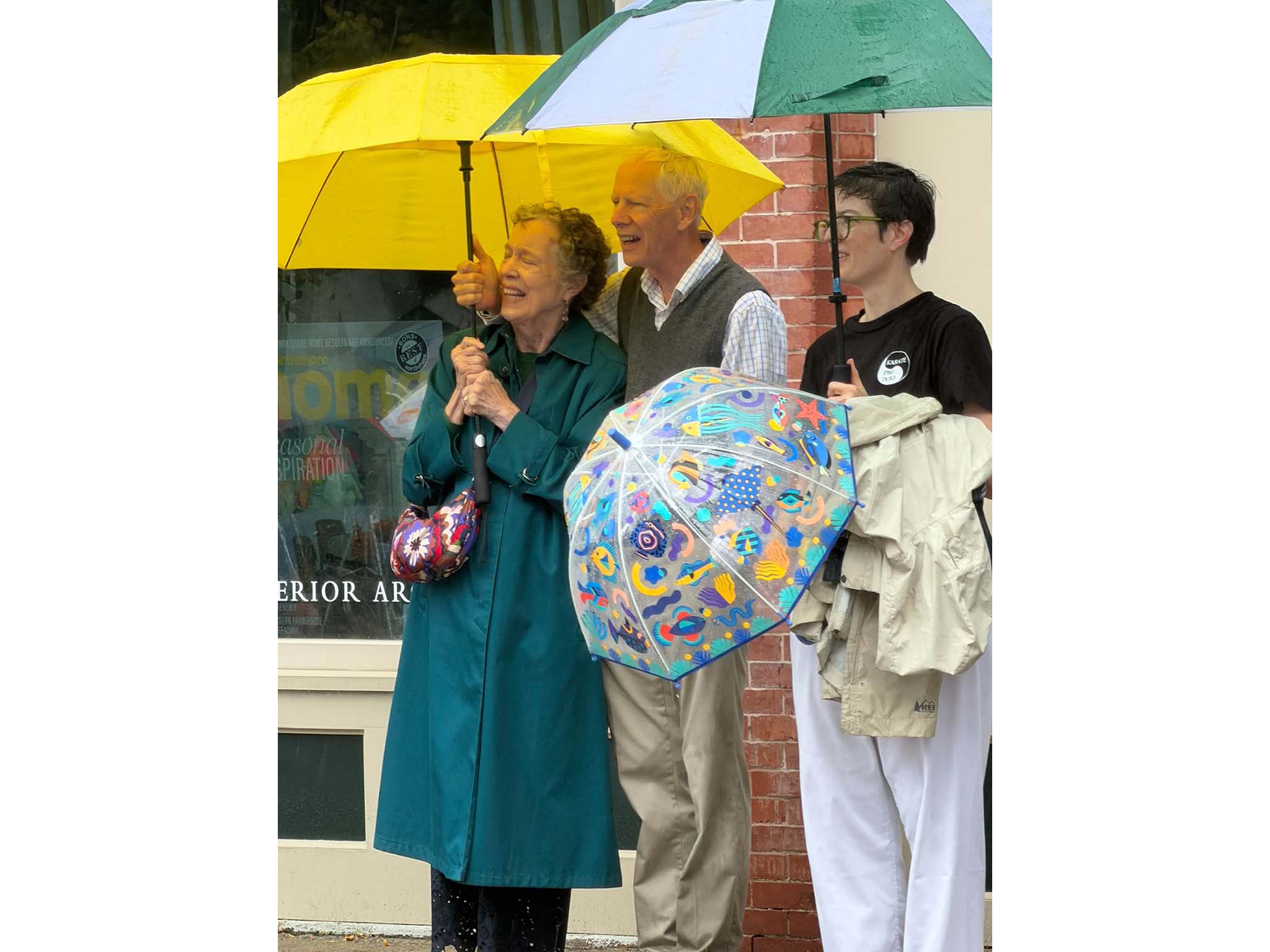
Melrose saw its second consecutive rainy Victorian Fair this weekend, but while the crowds might have been lighter than in some years, attendees made up for it in enthusiasm.
Victorian Fair does not have a rain date, due to the number of vendors involved and the logistics of closing Main Street to traffic. But fairgoers brought raingear and were still able to enjoy food, fun, and community connections.
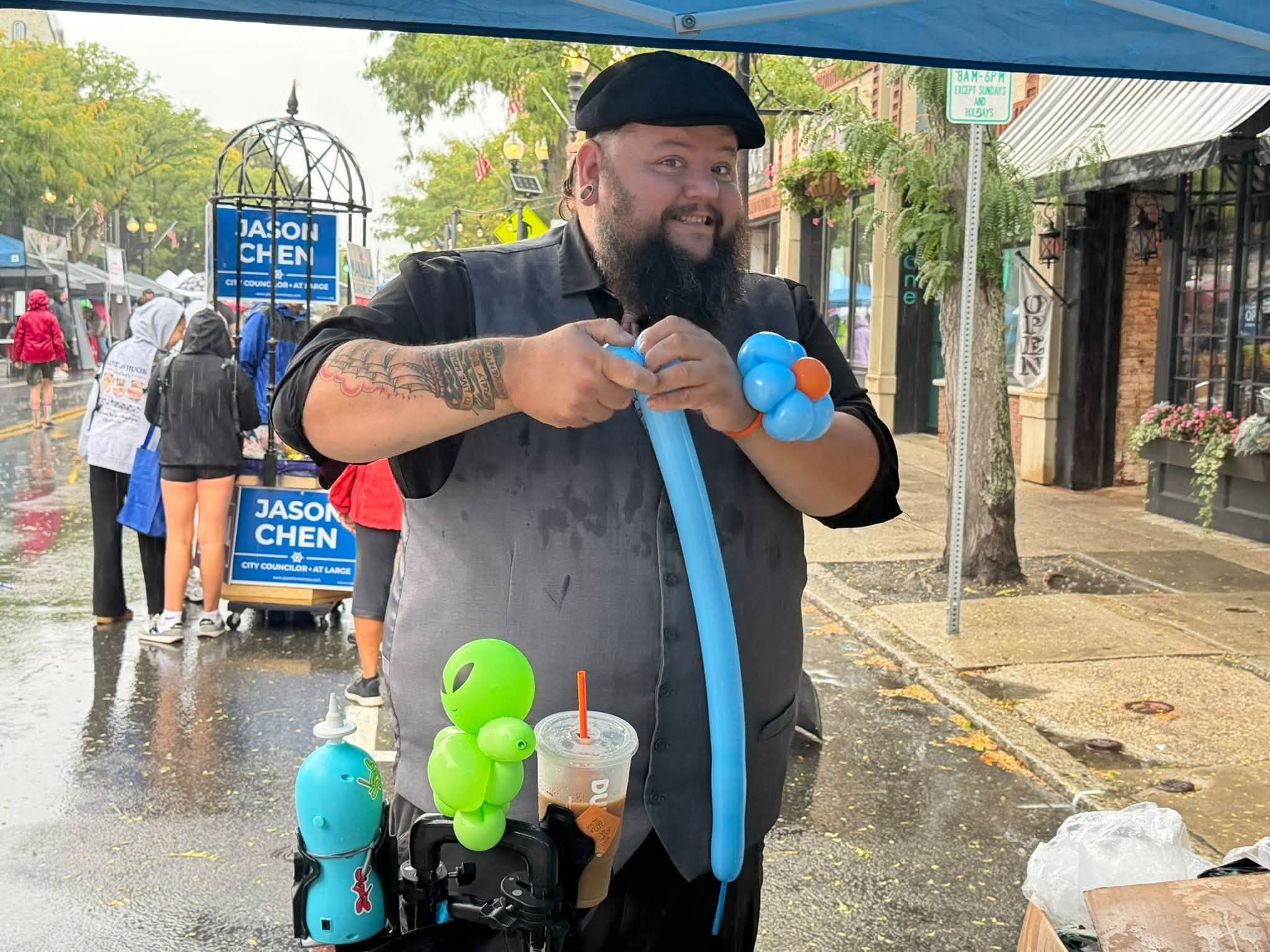





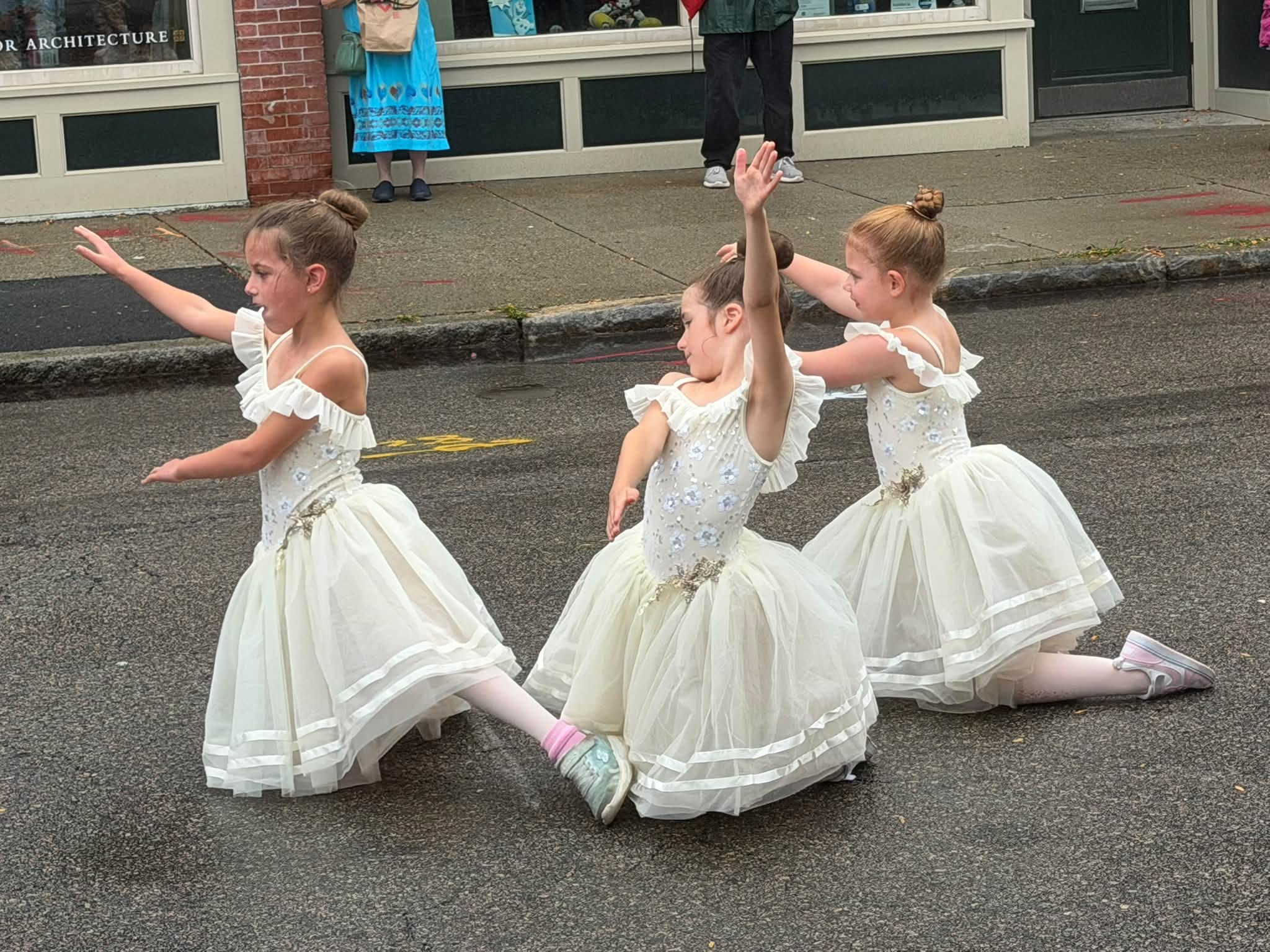
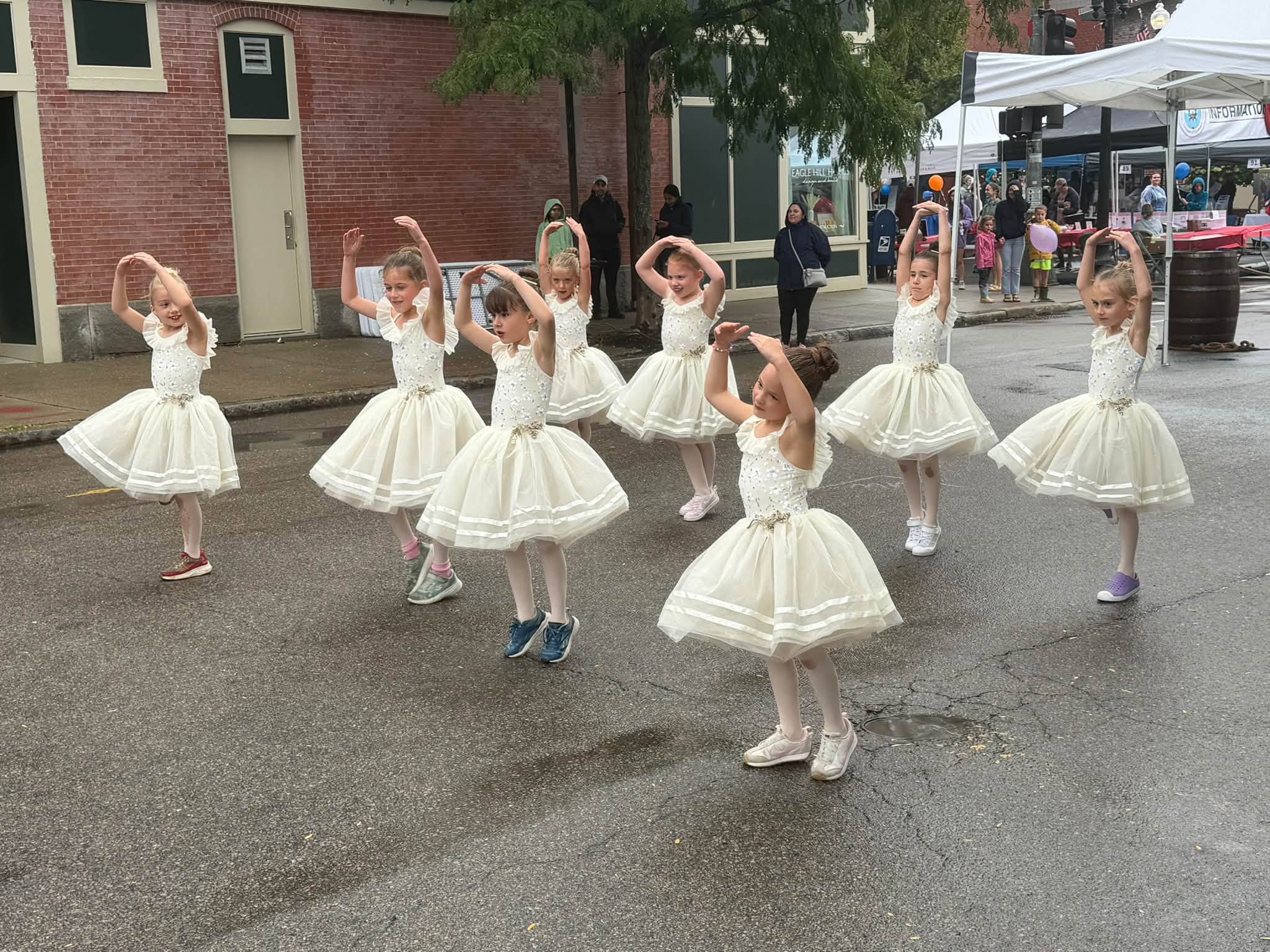
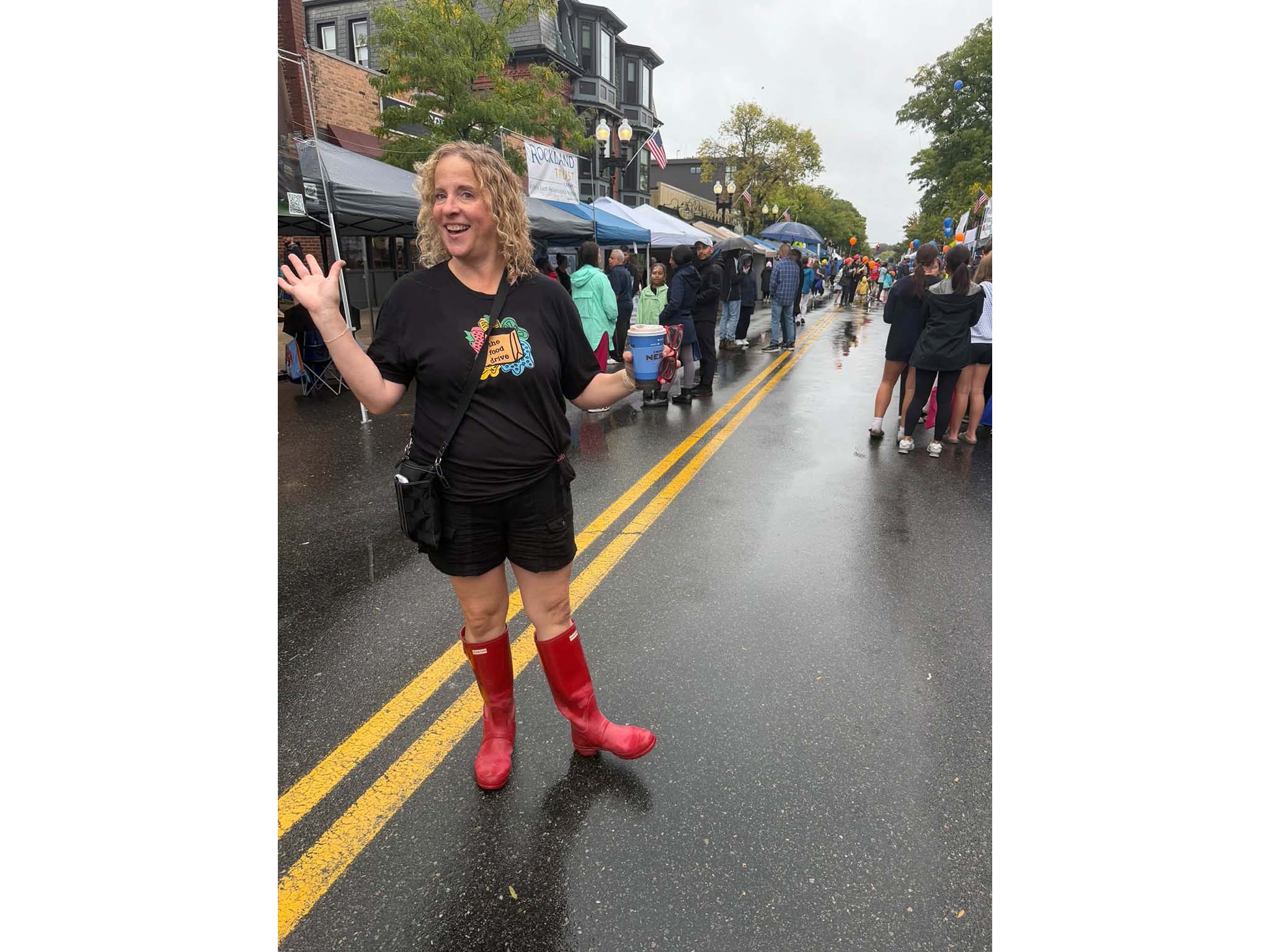

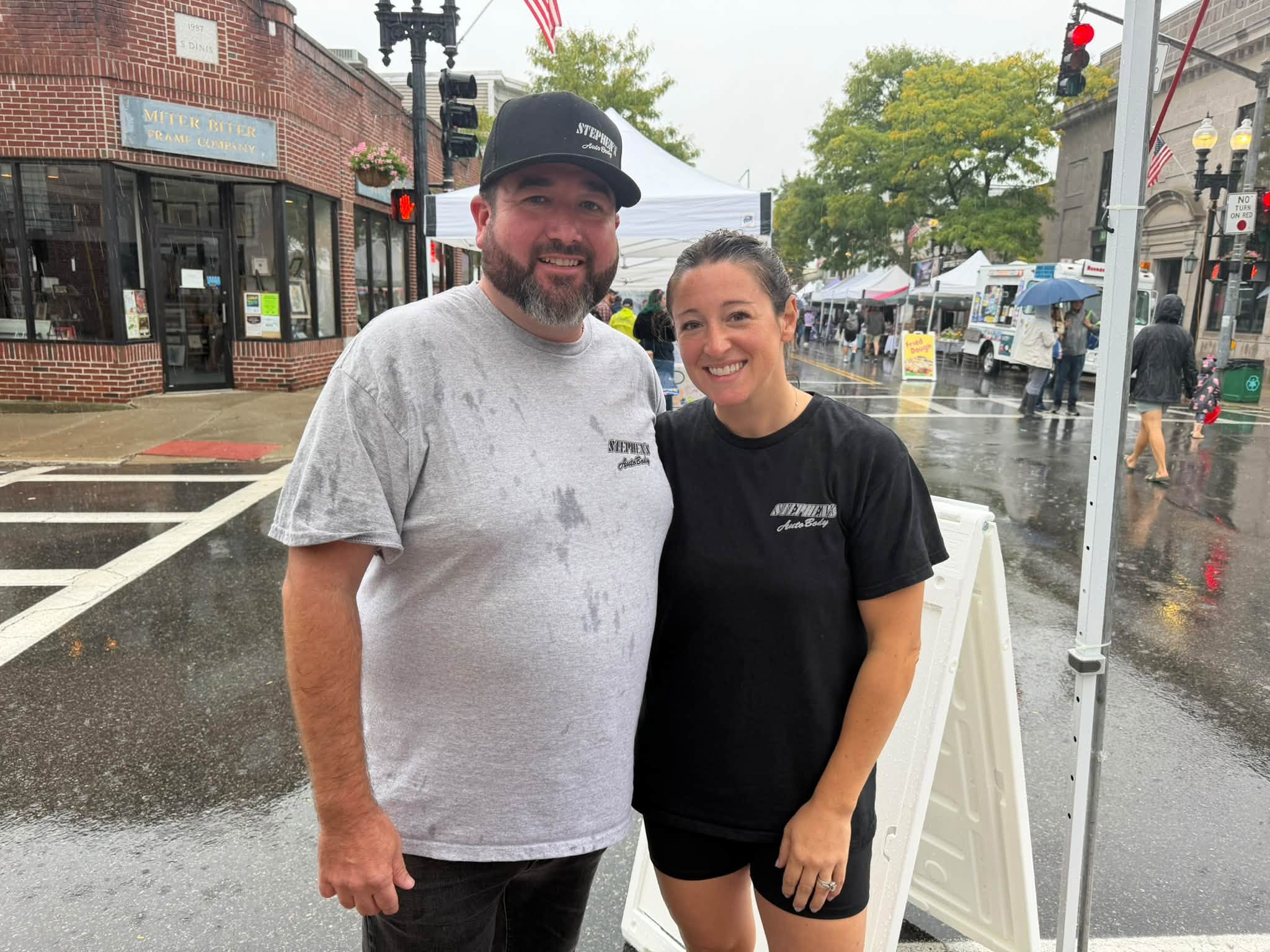
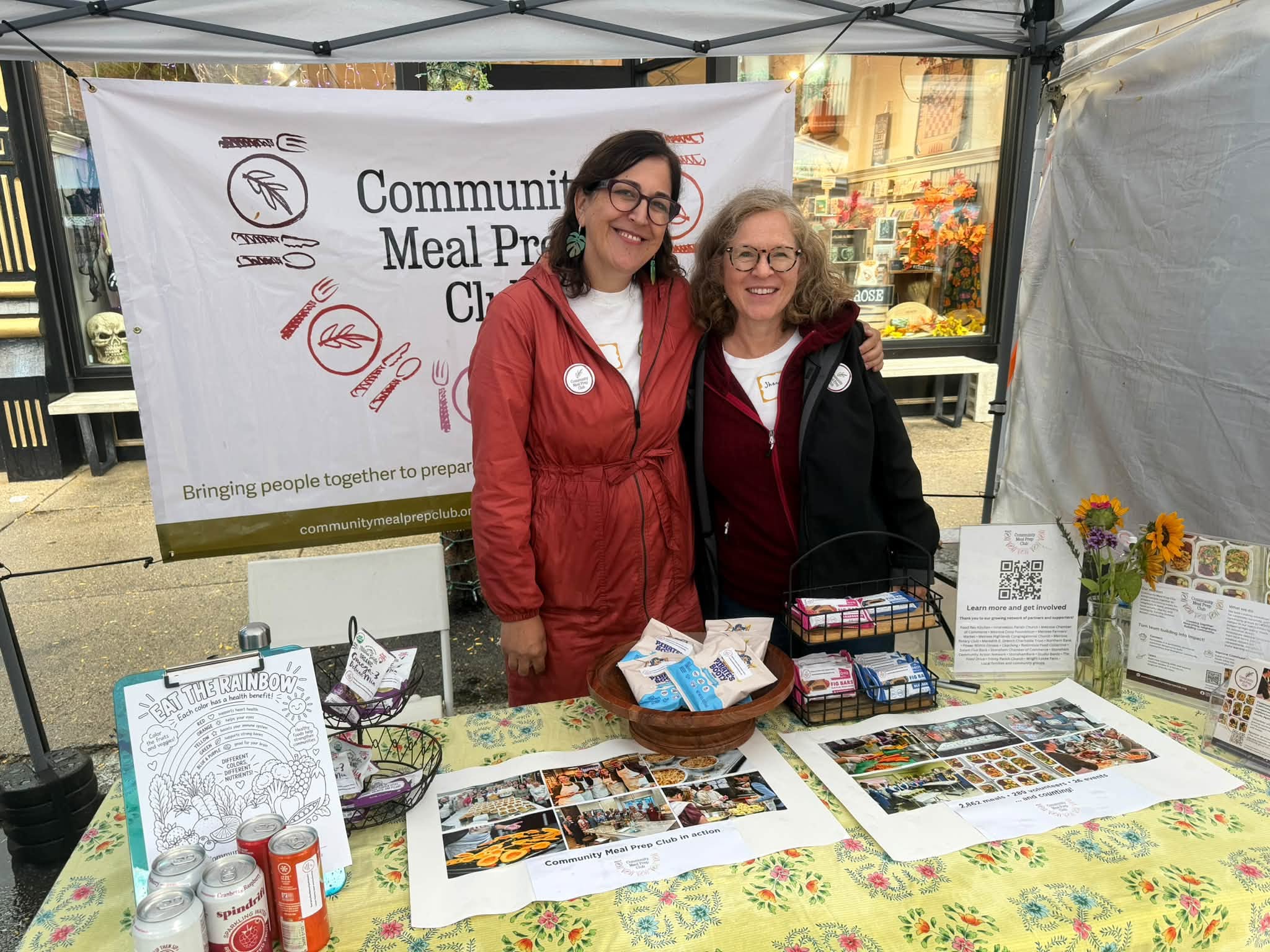
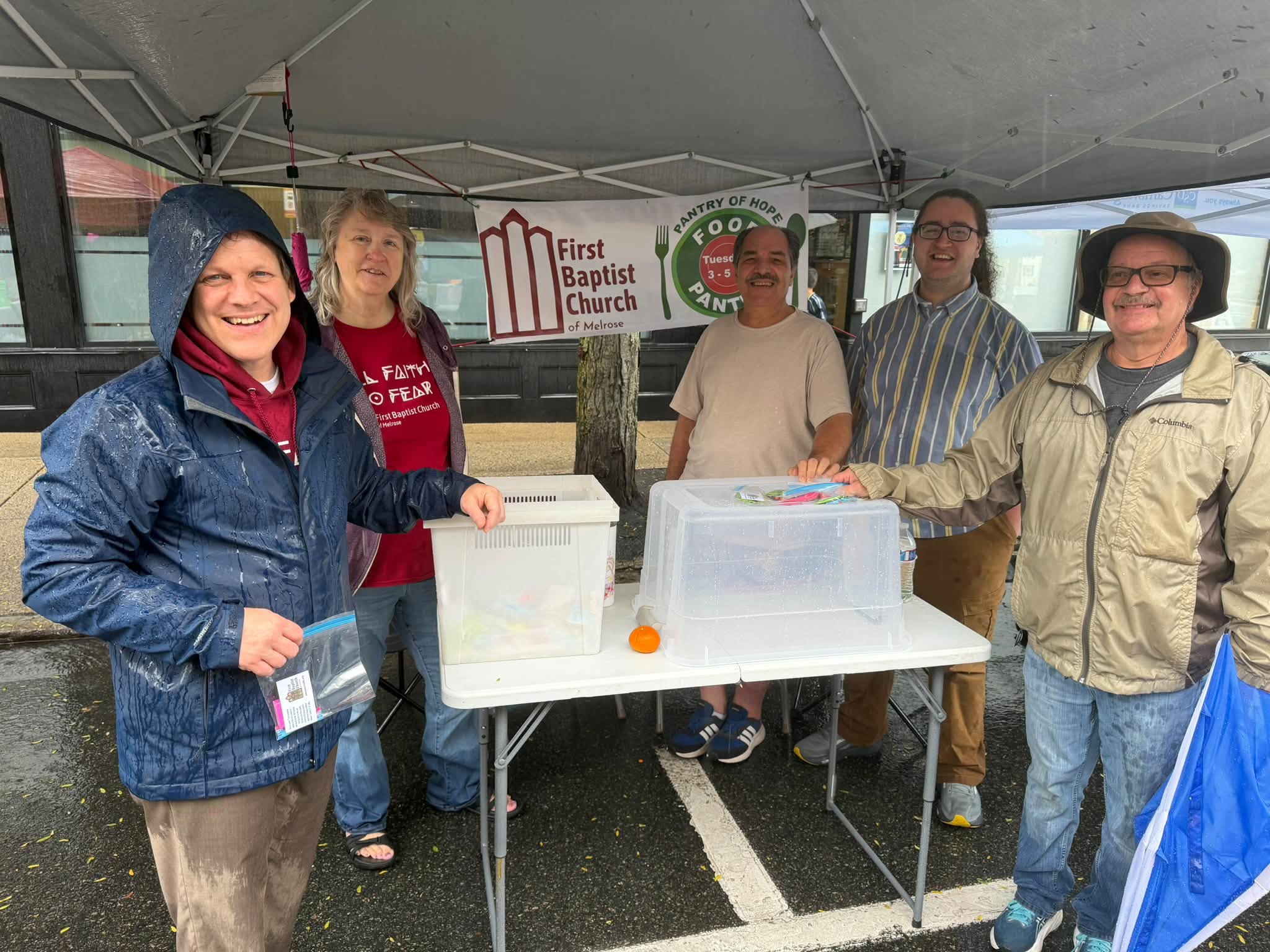
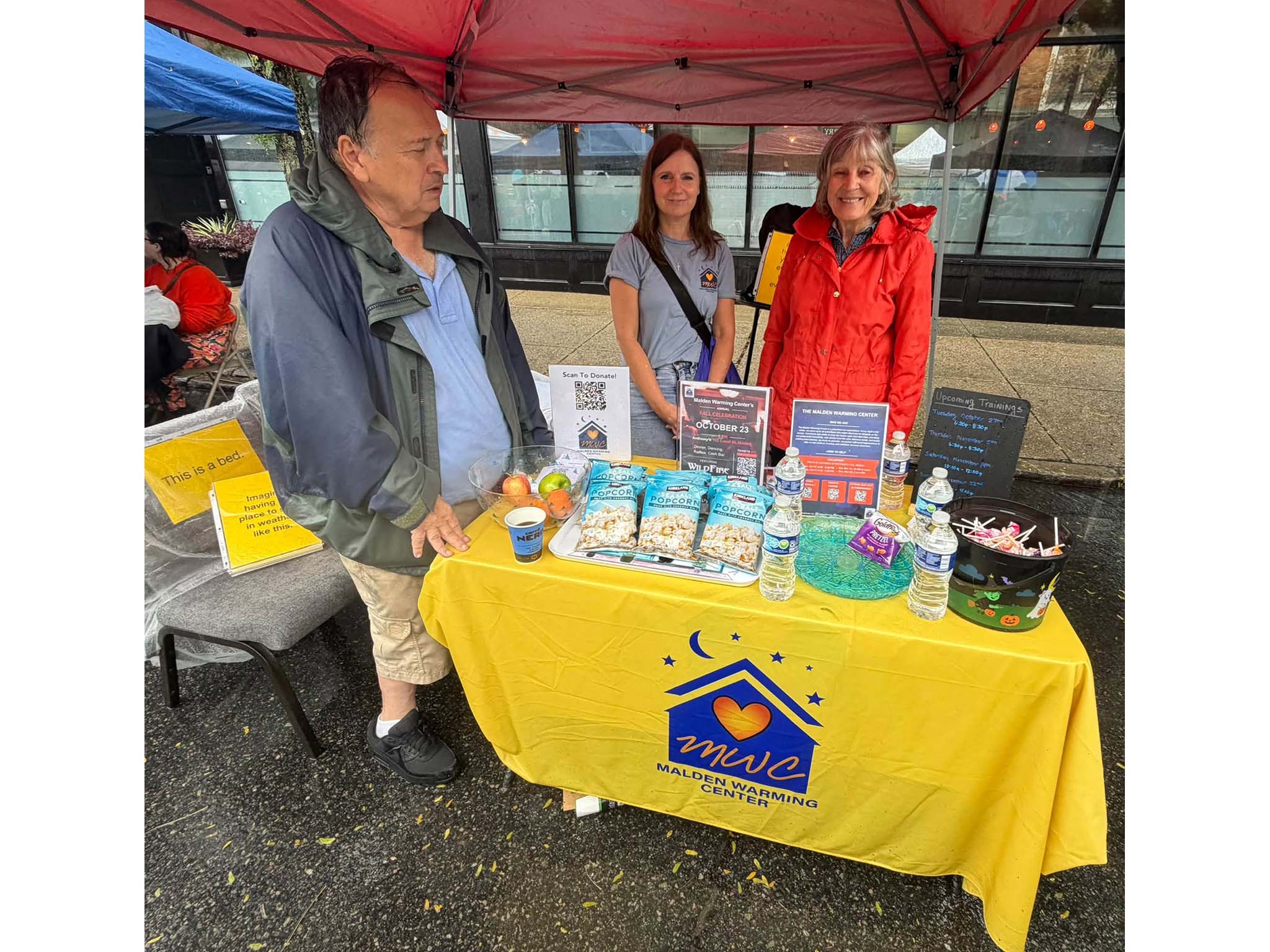
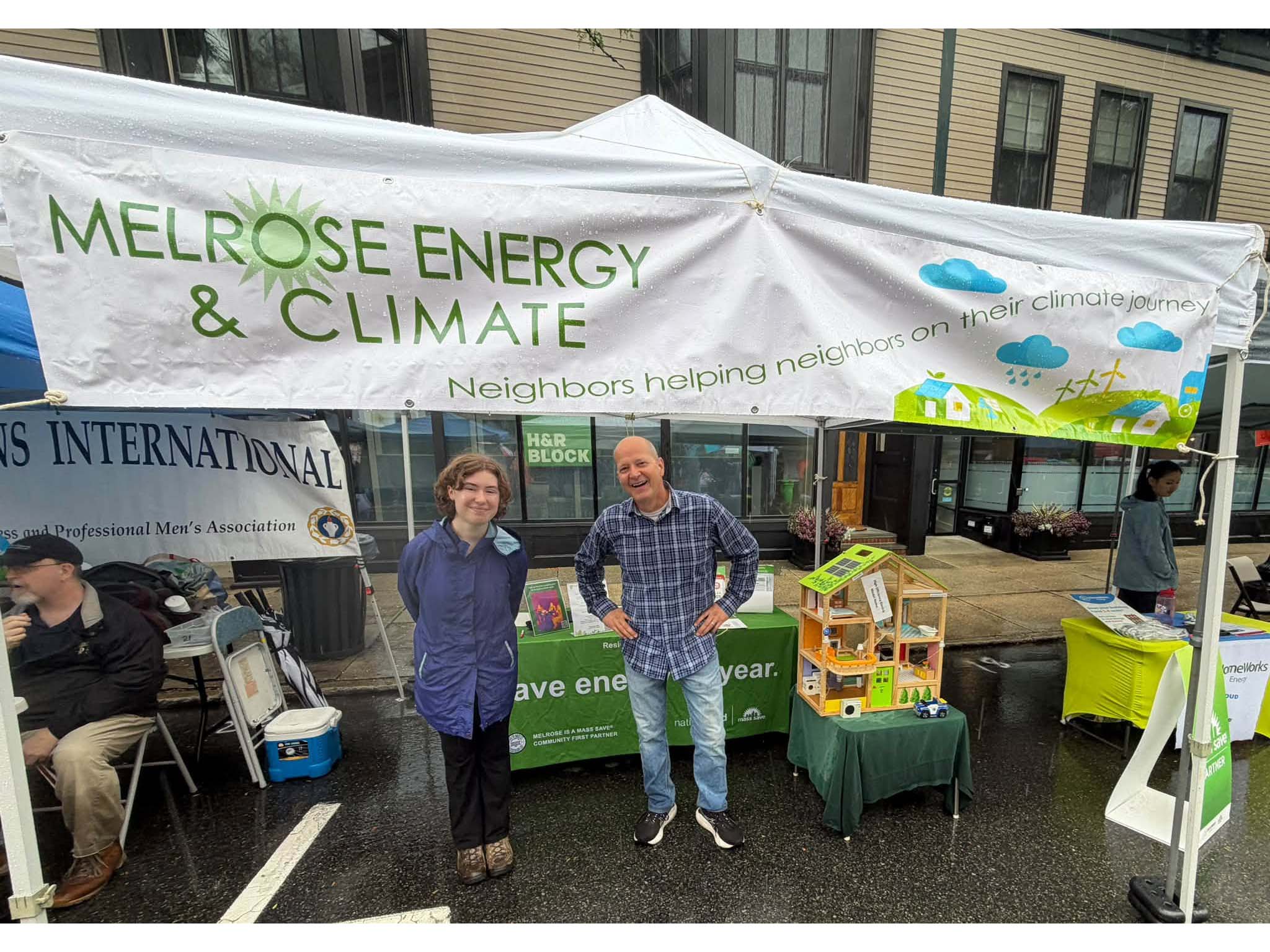
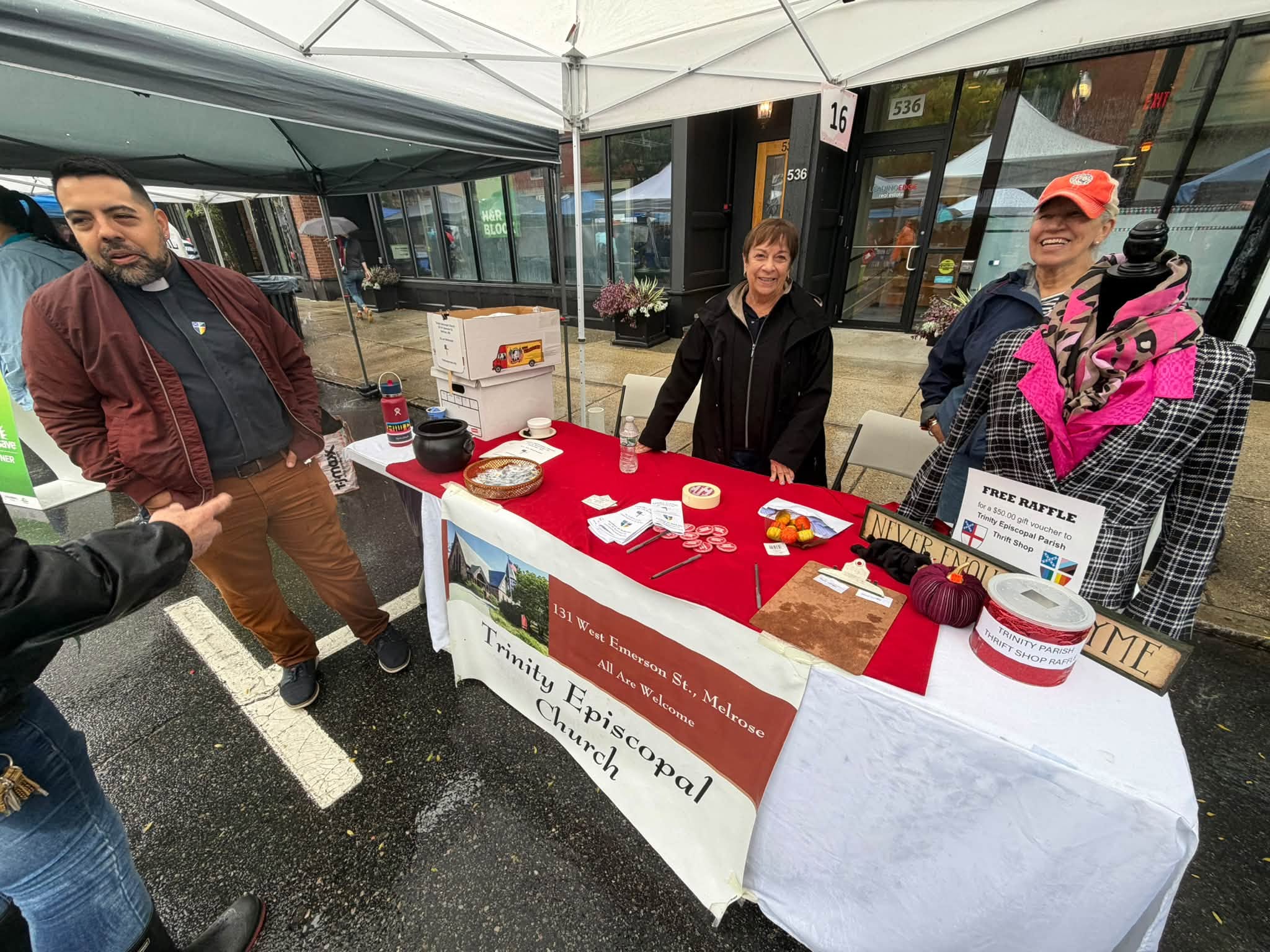

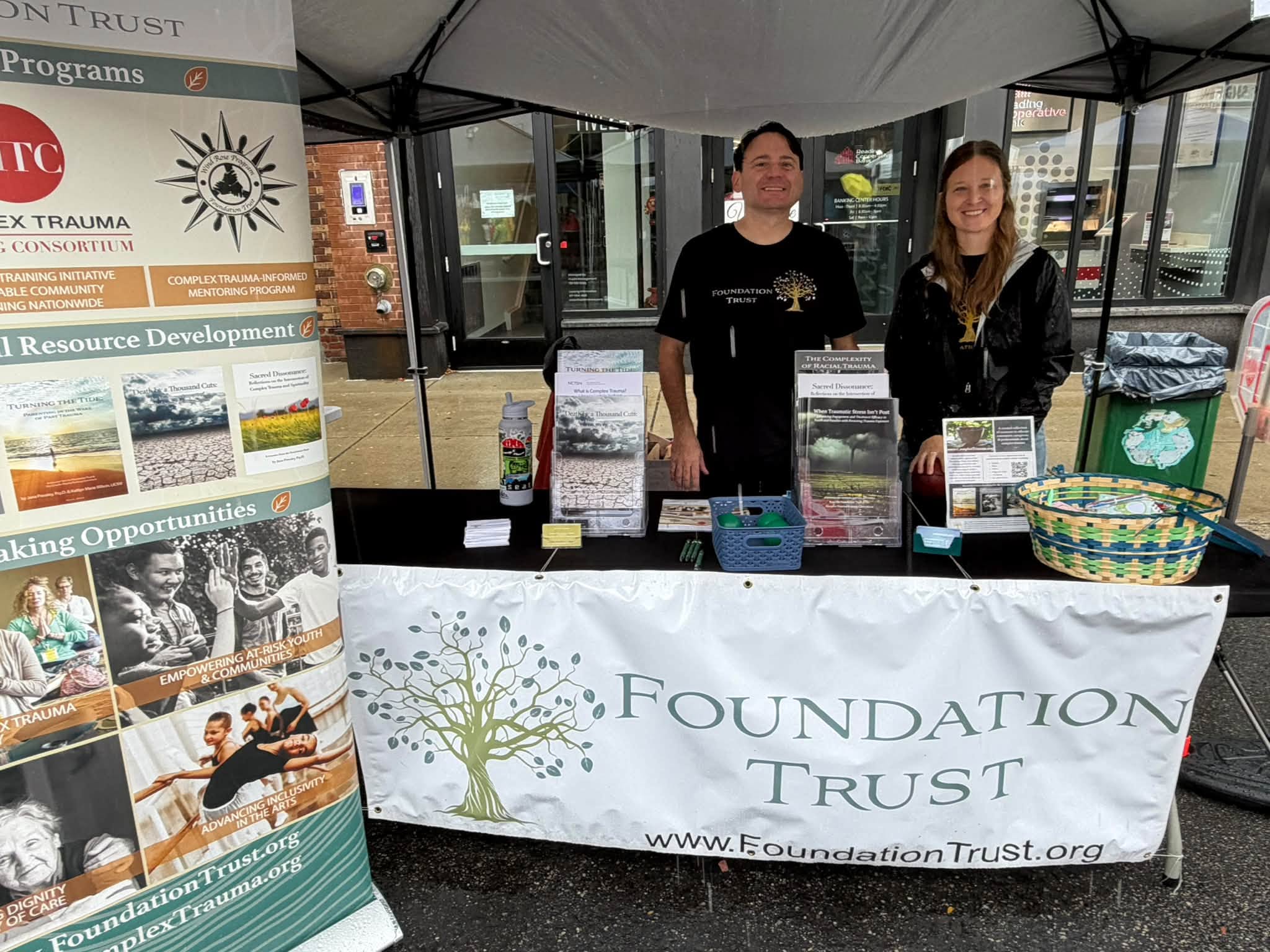
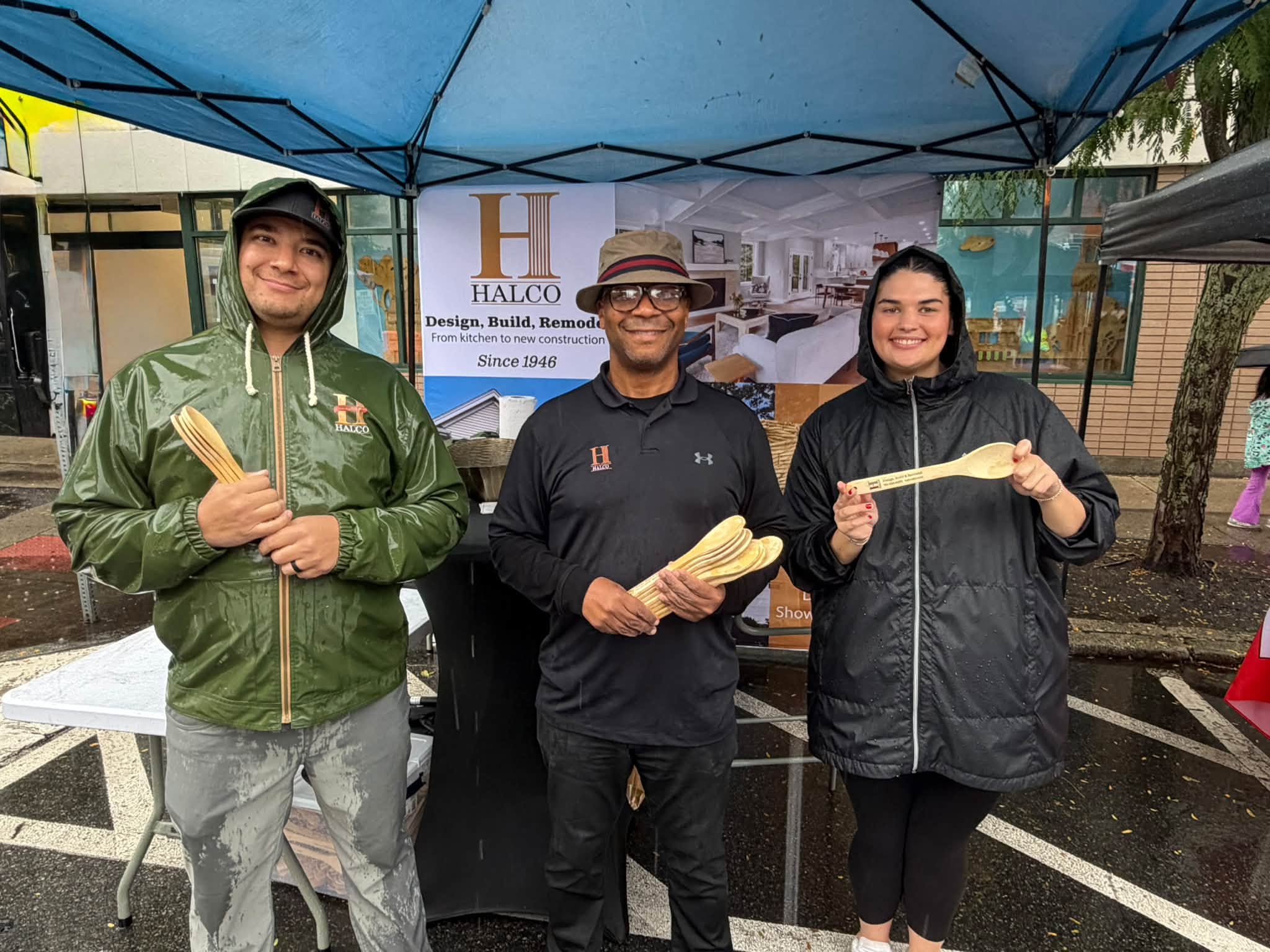
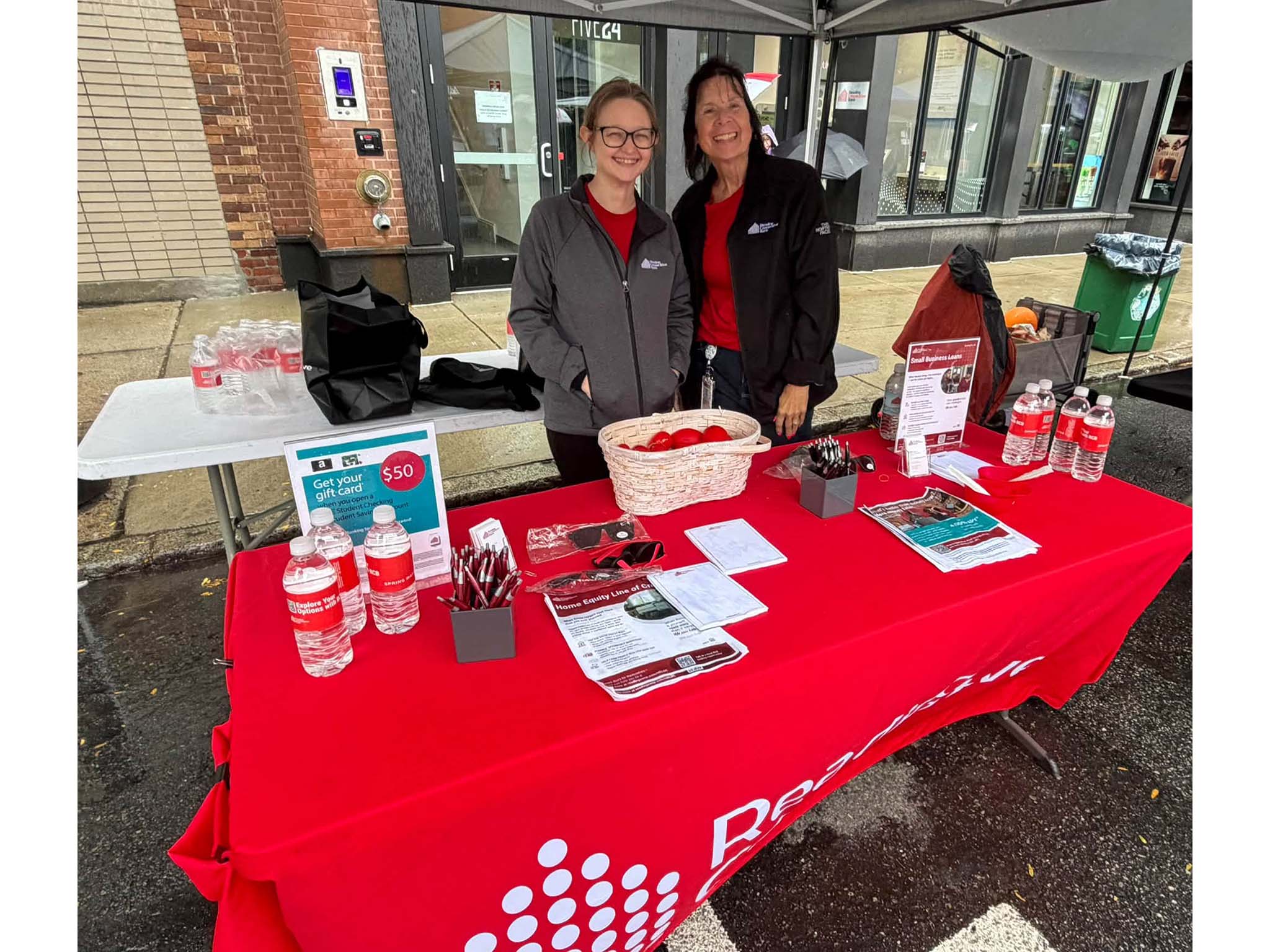
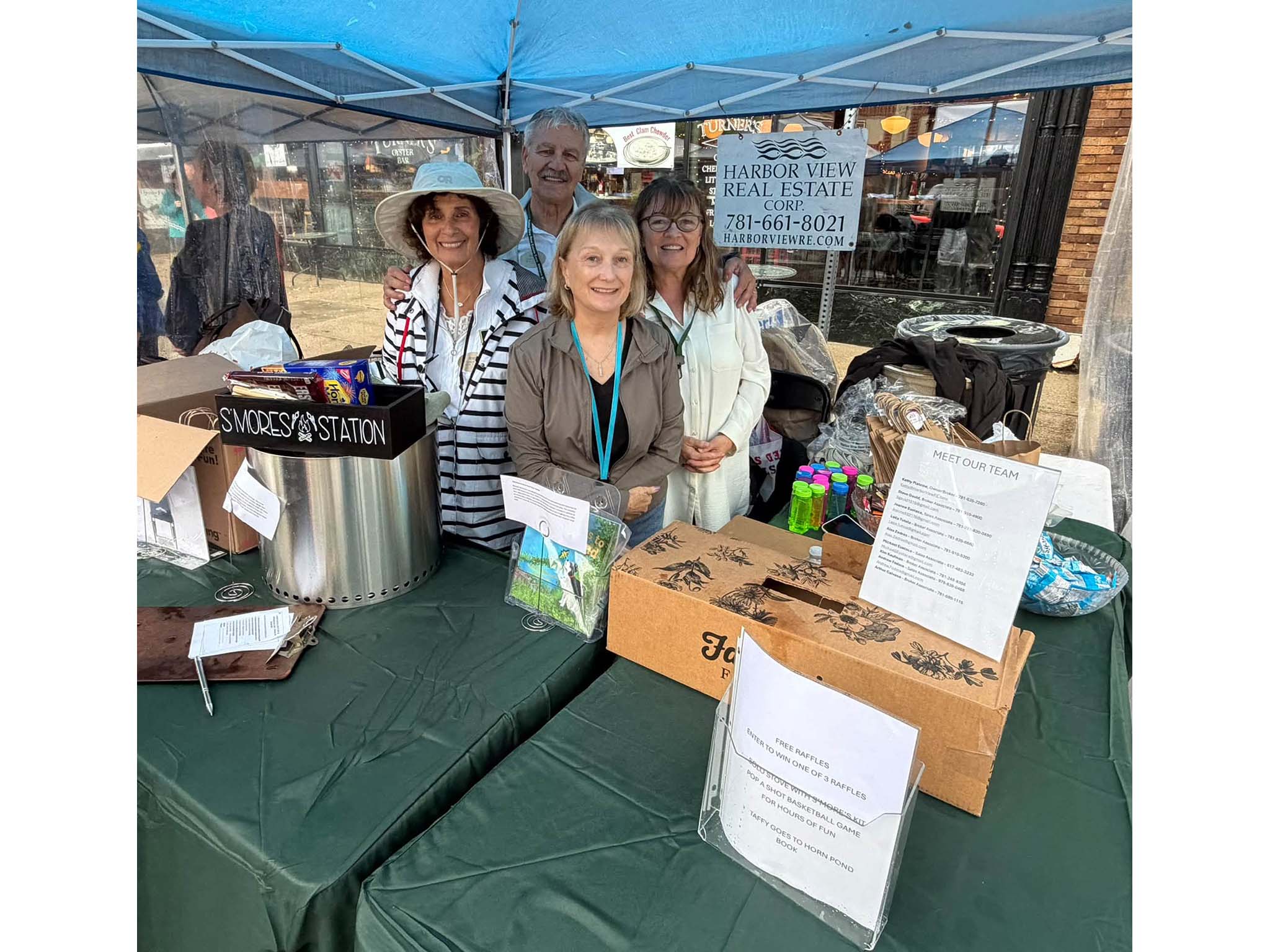
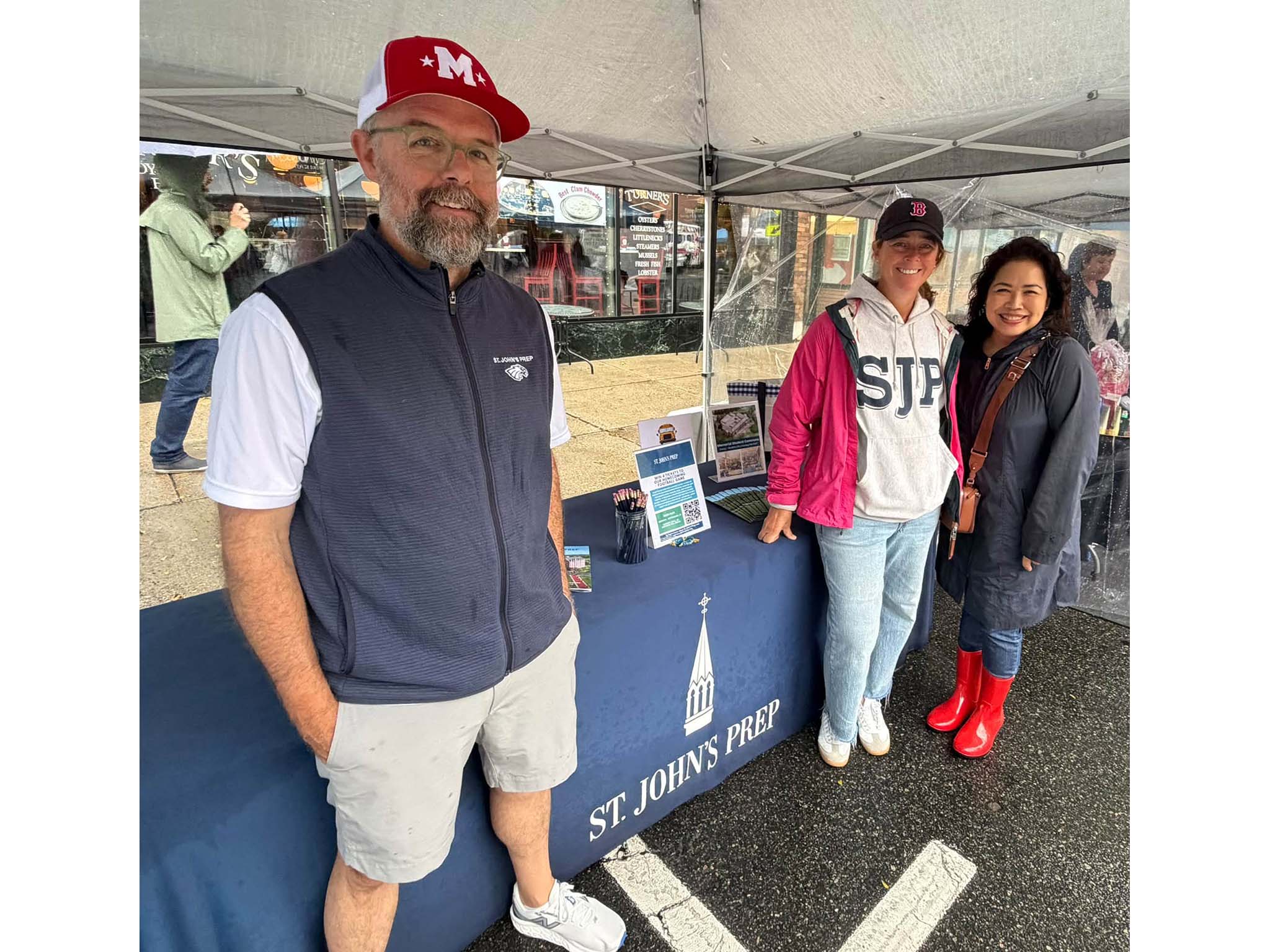

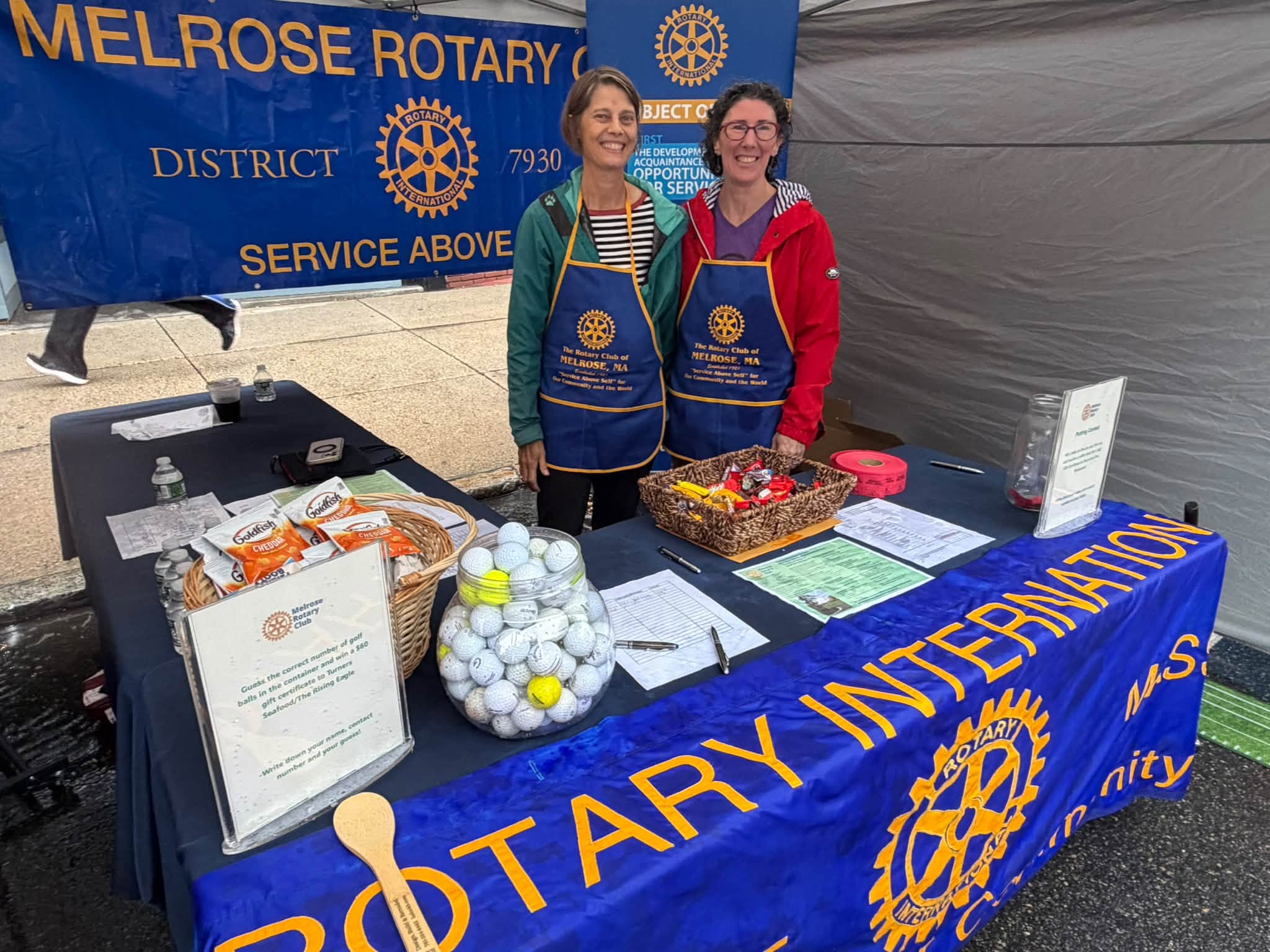
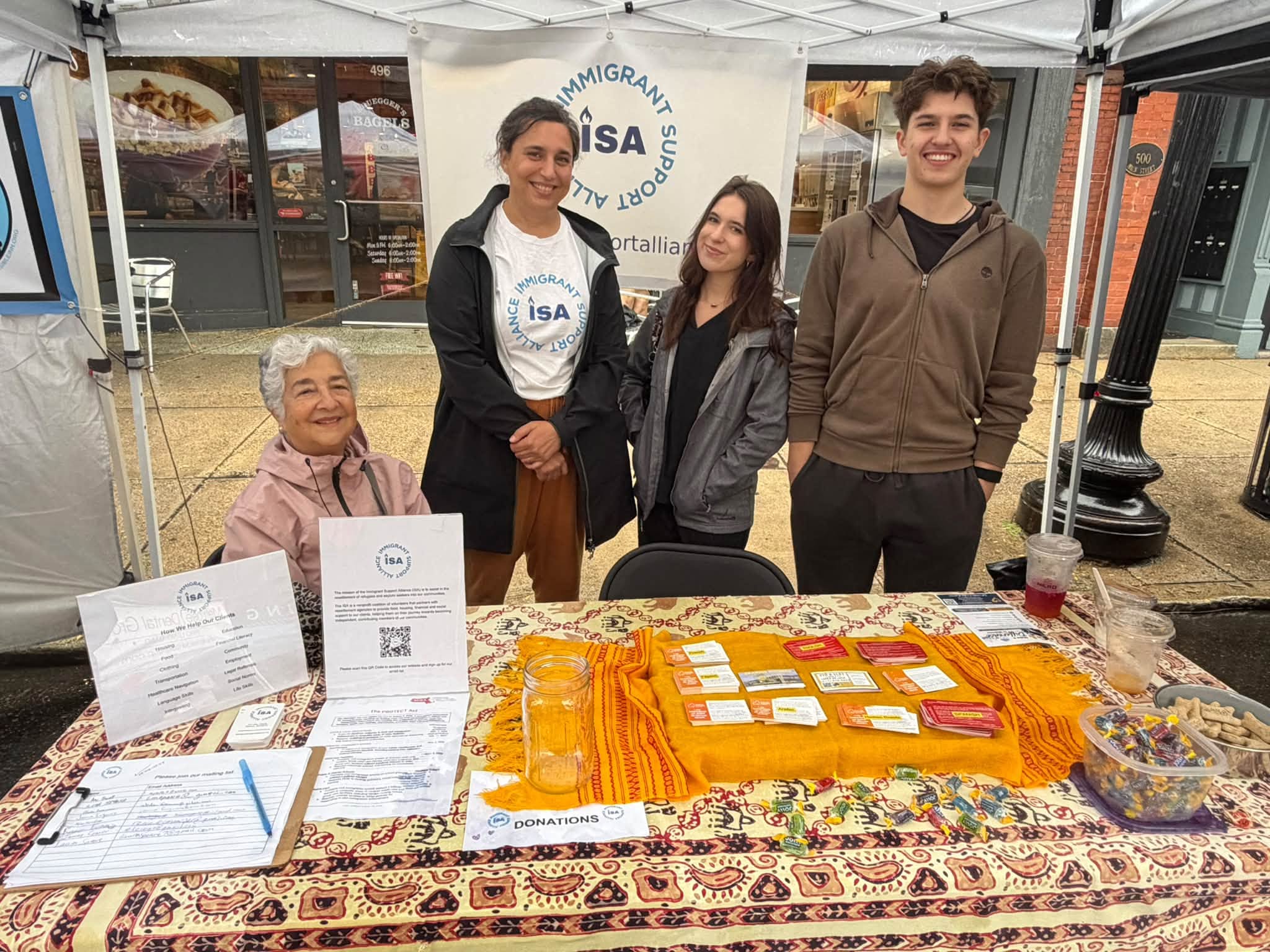
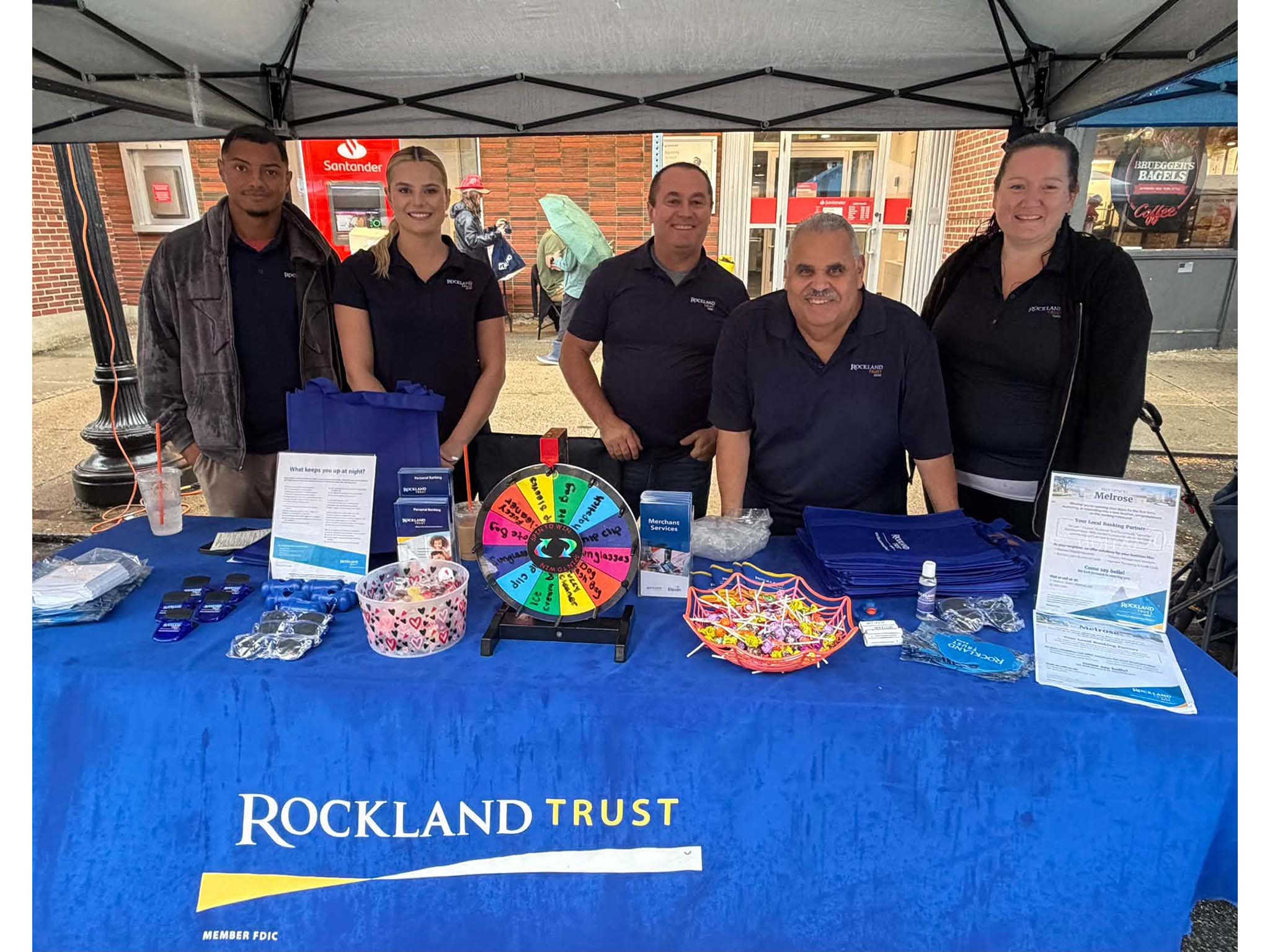
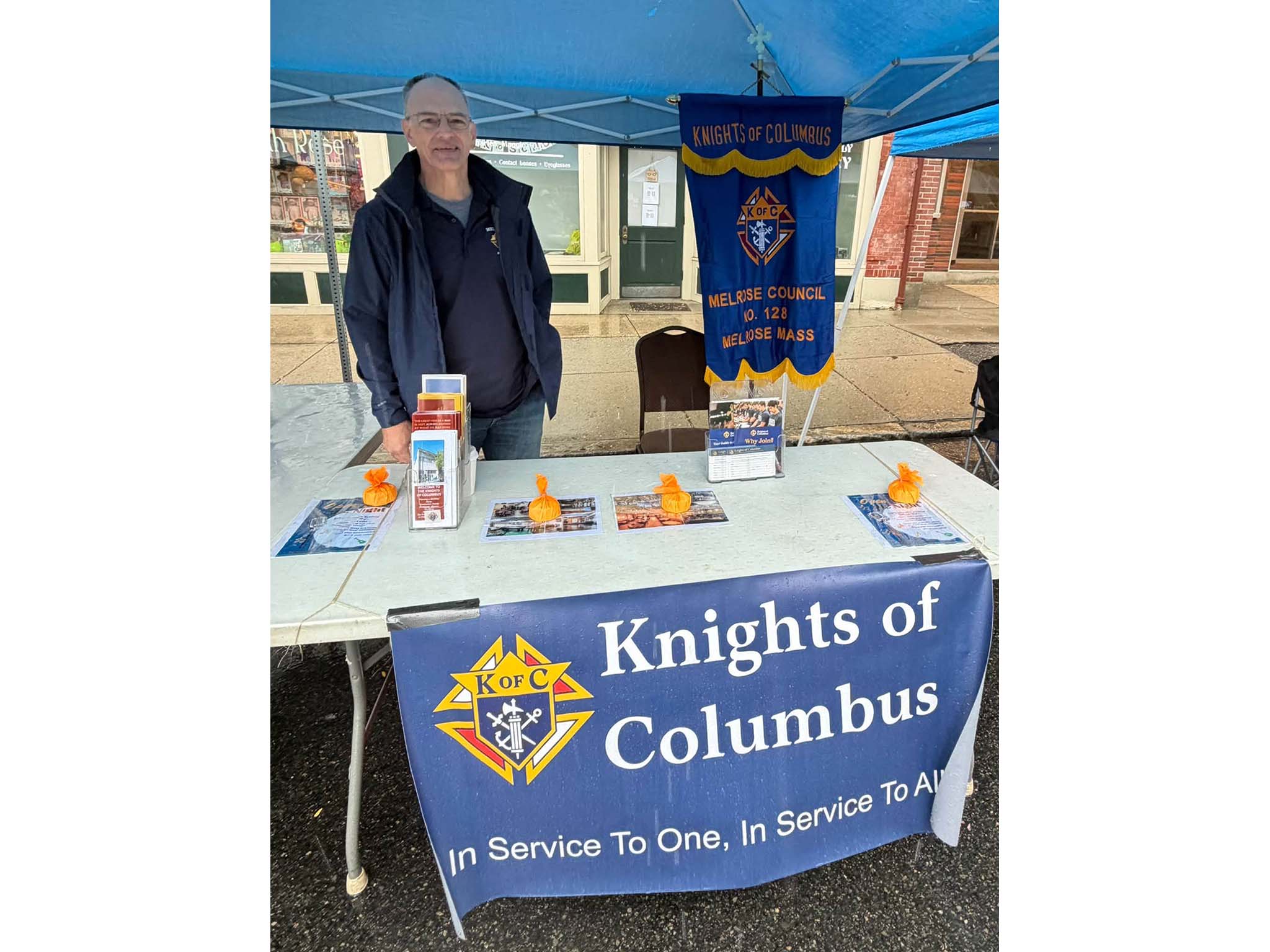

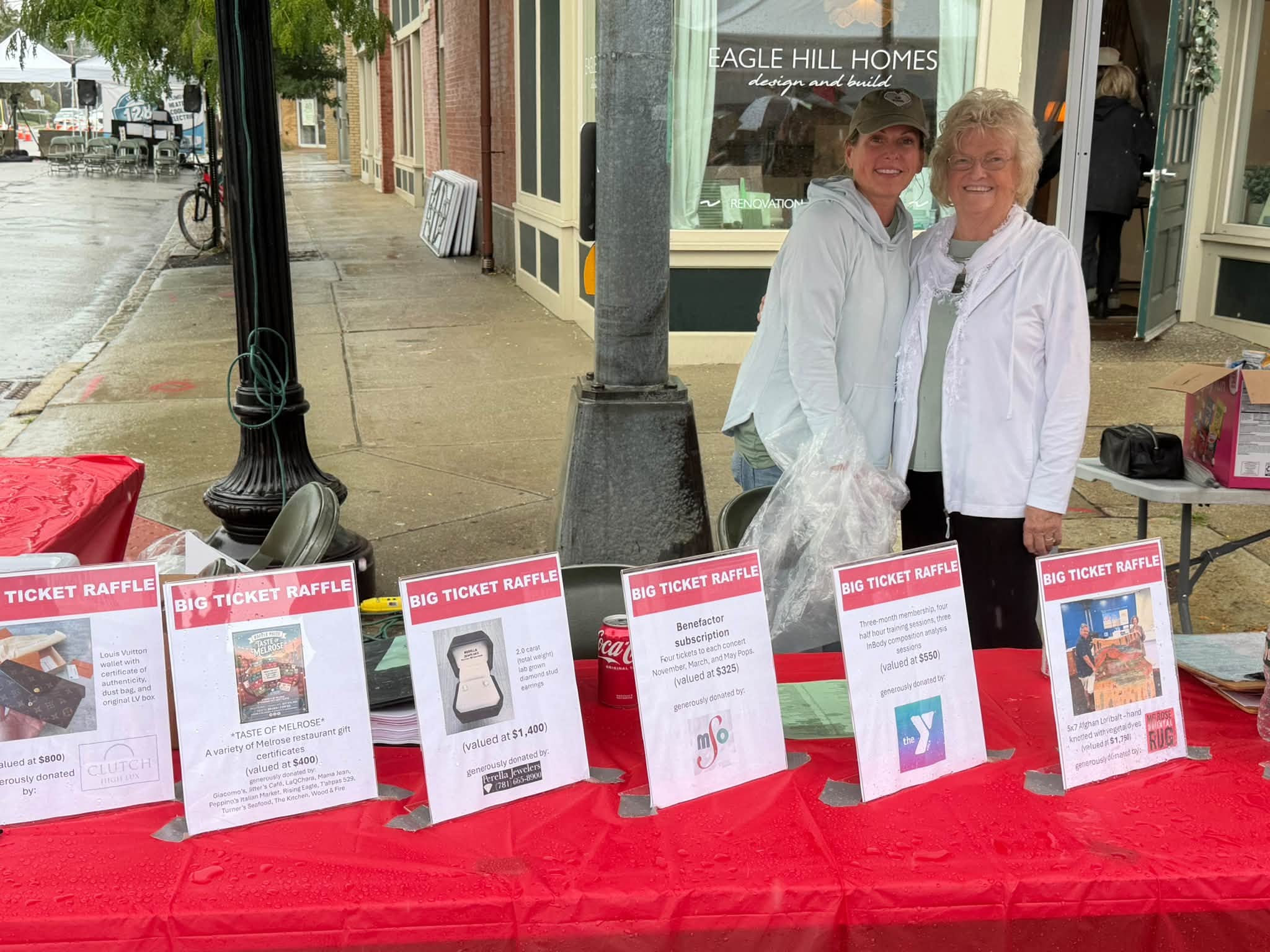
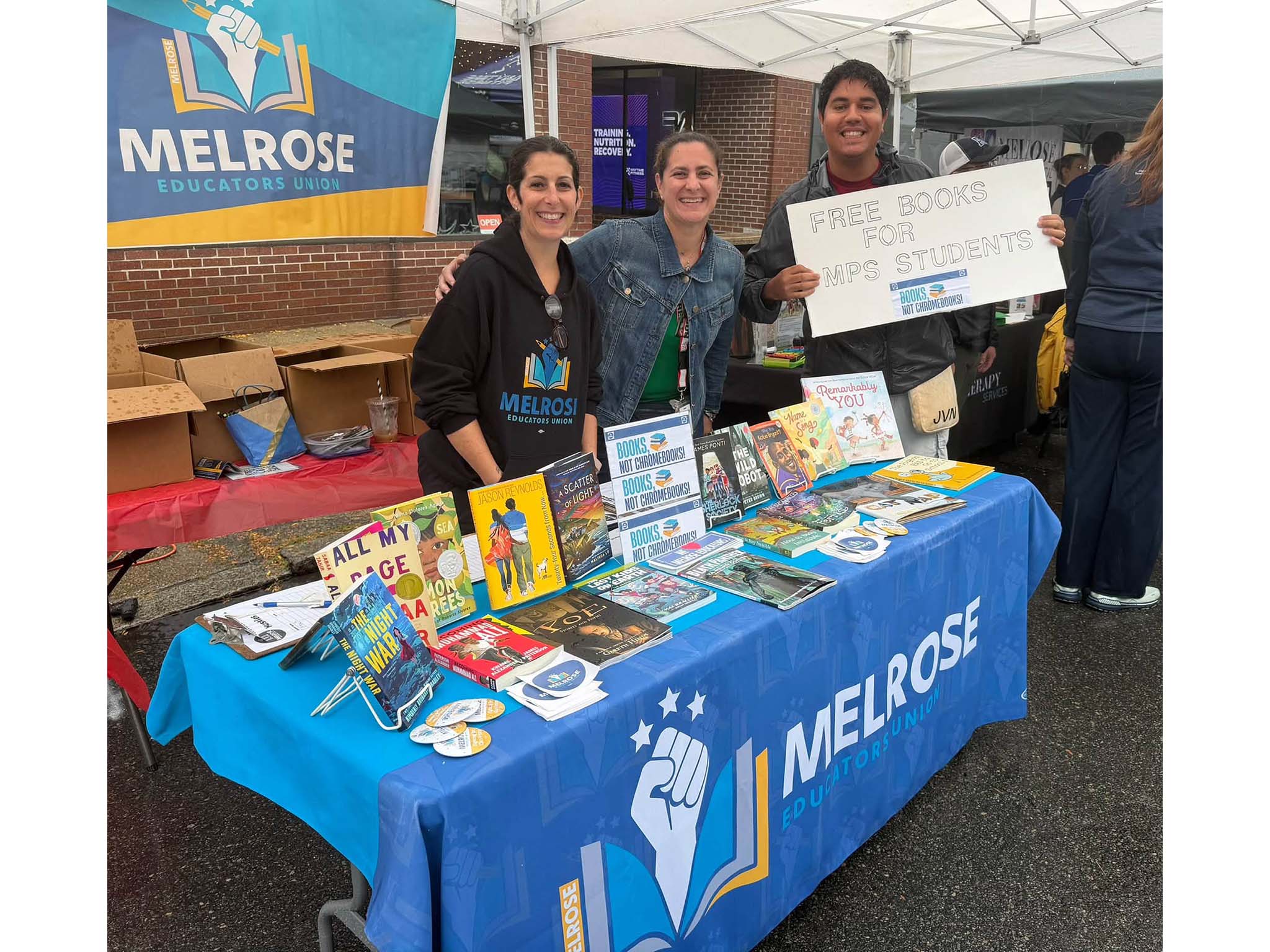
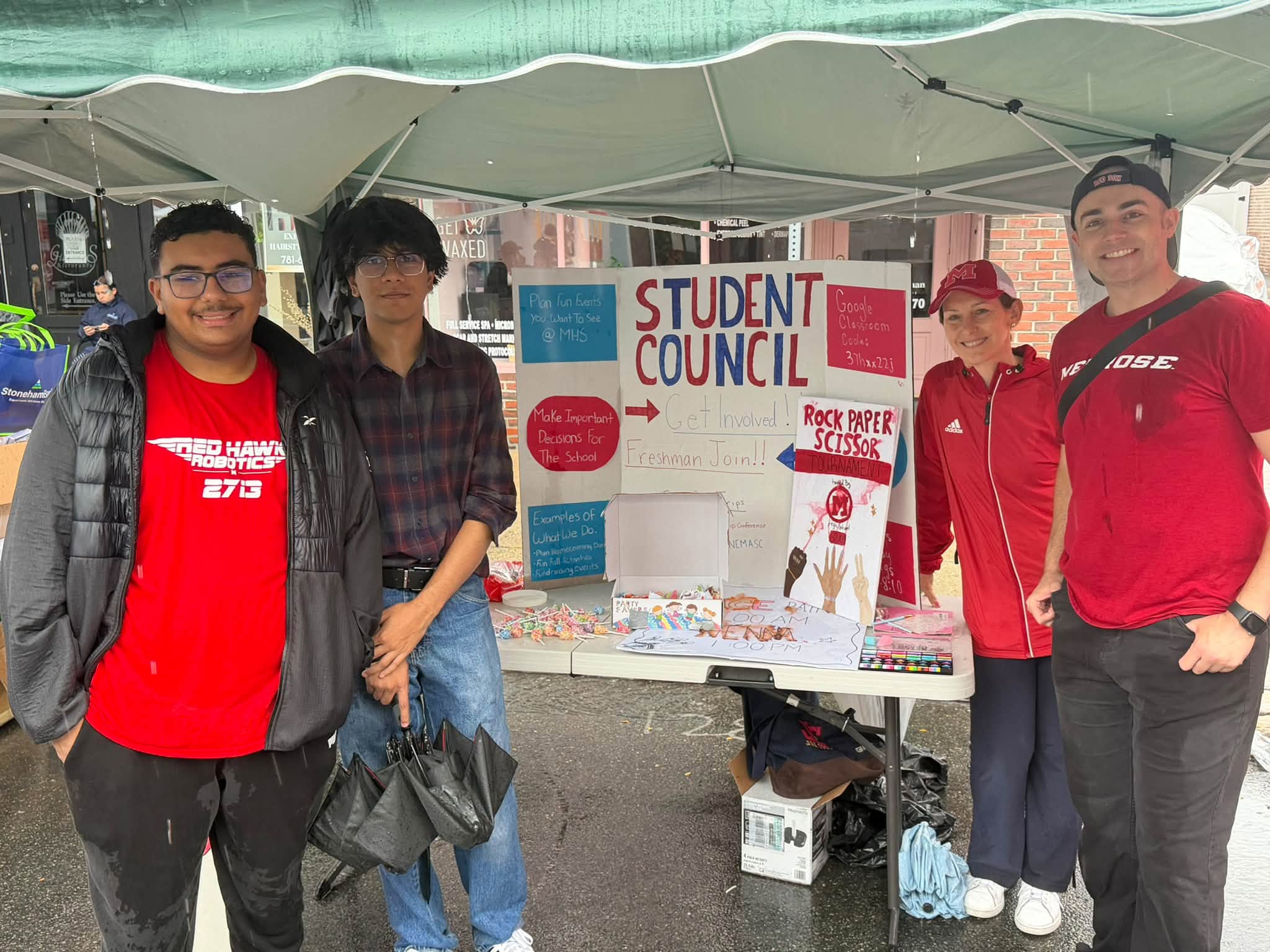
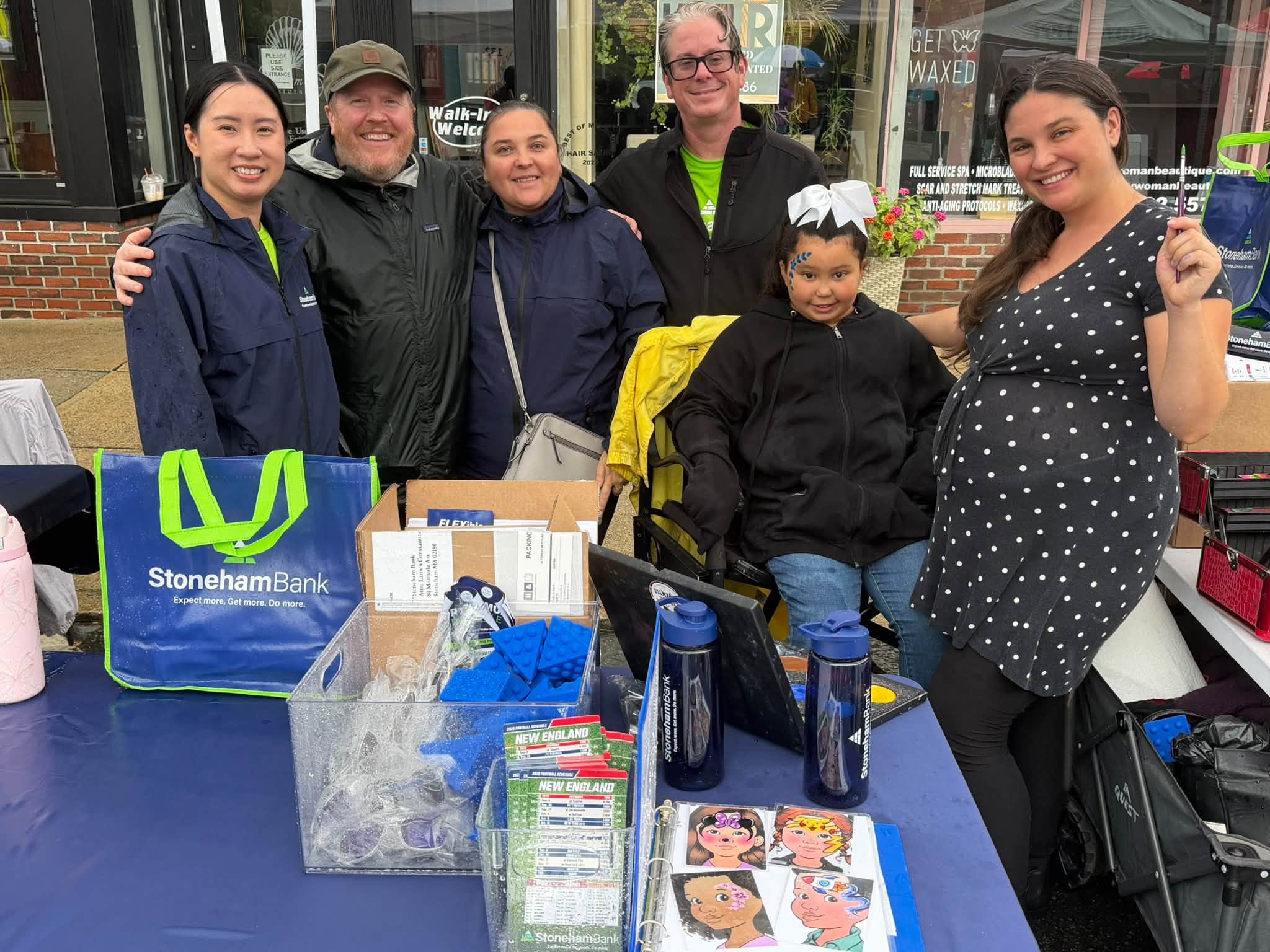

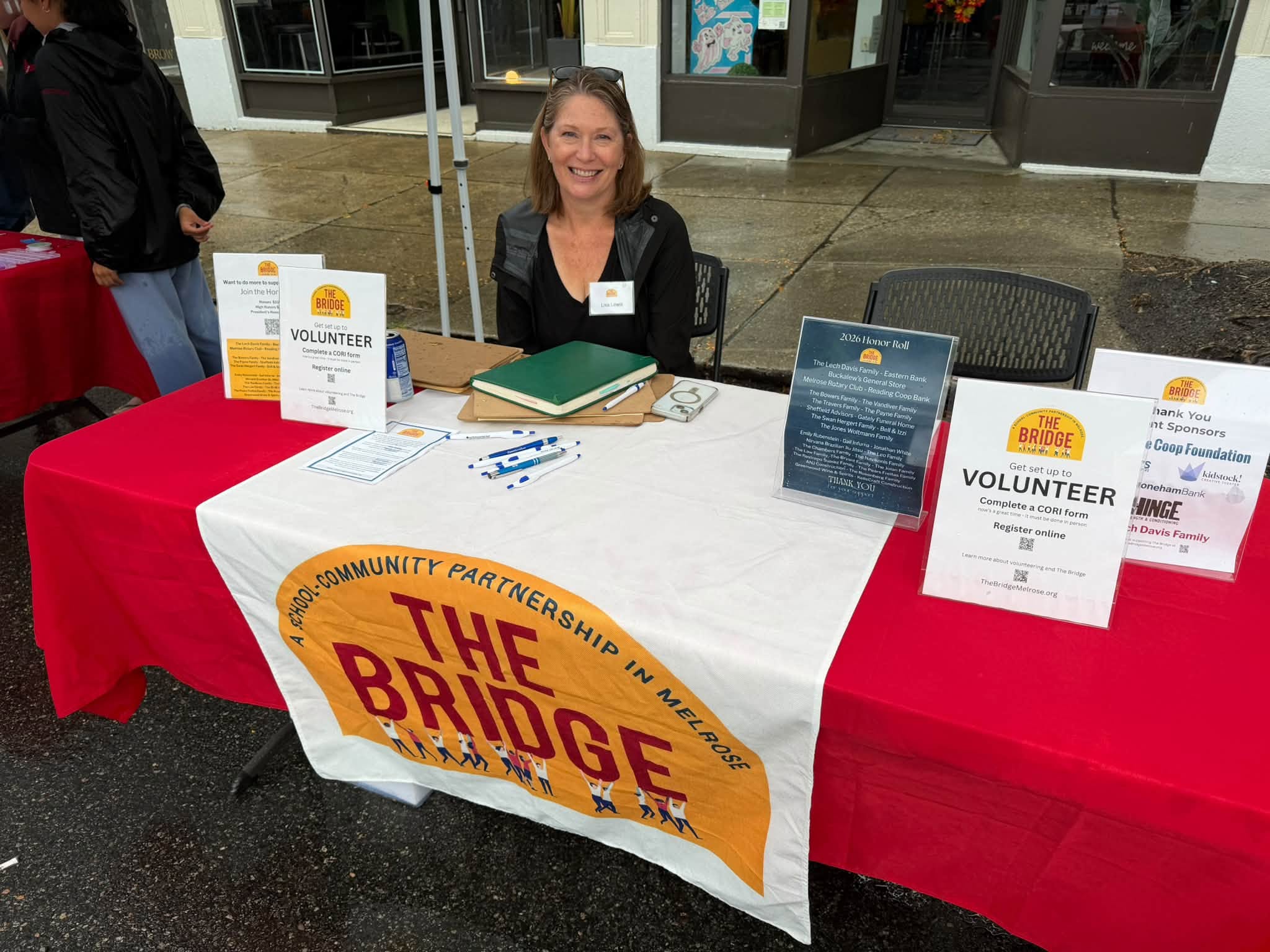
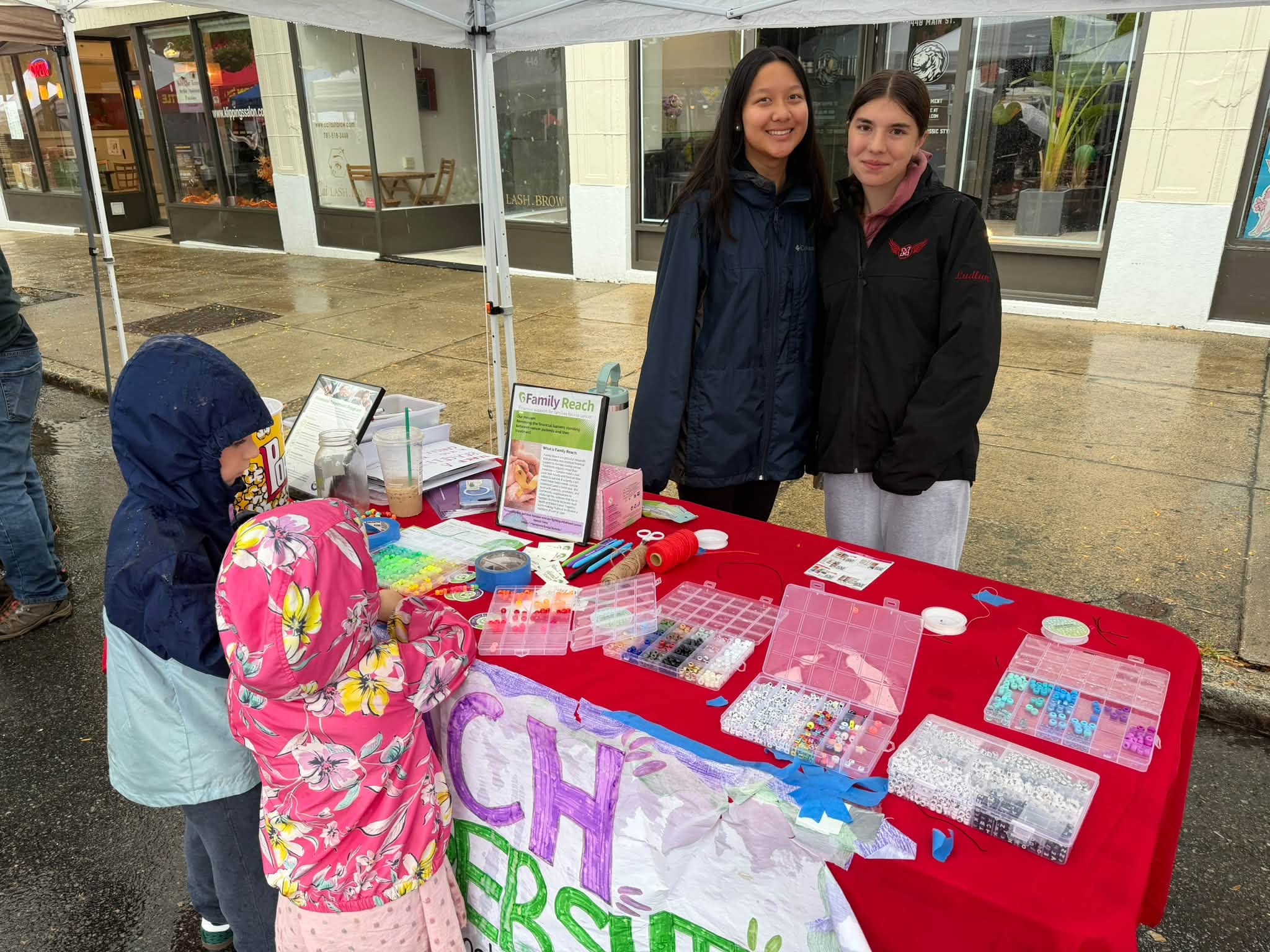
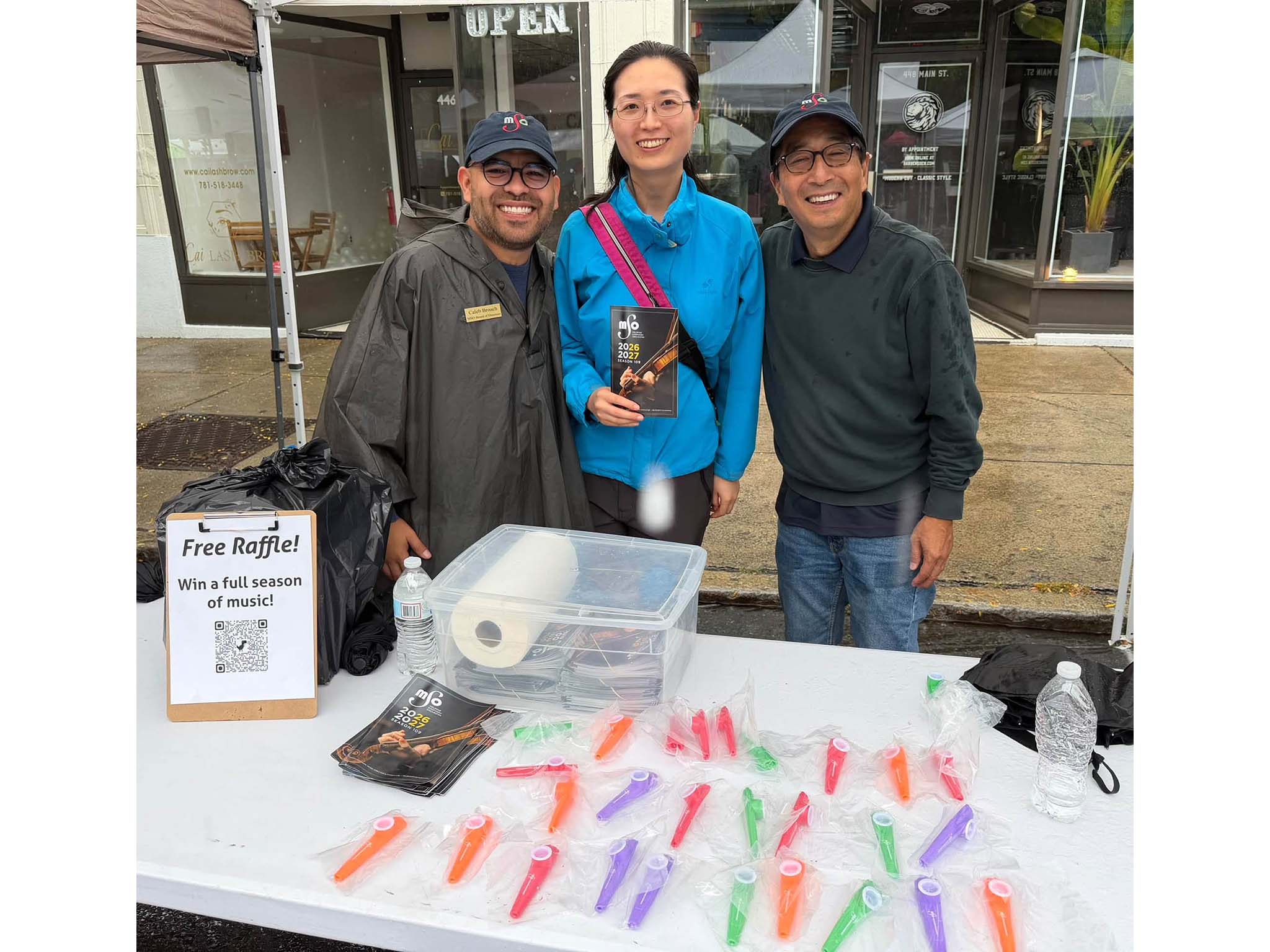
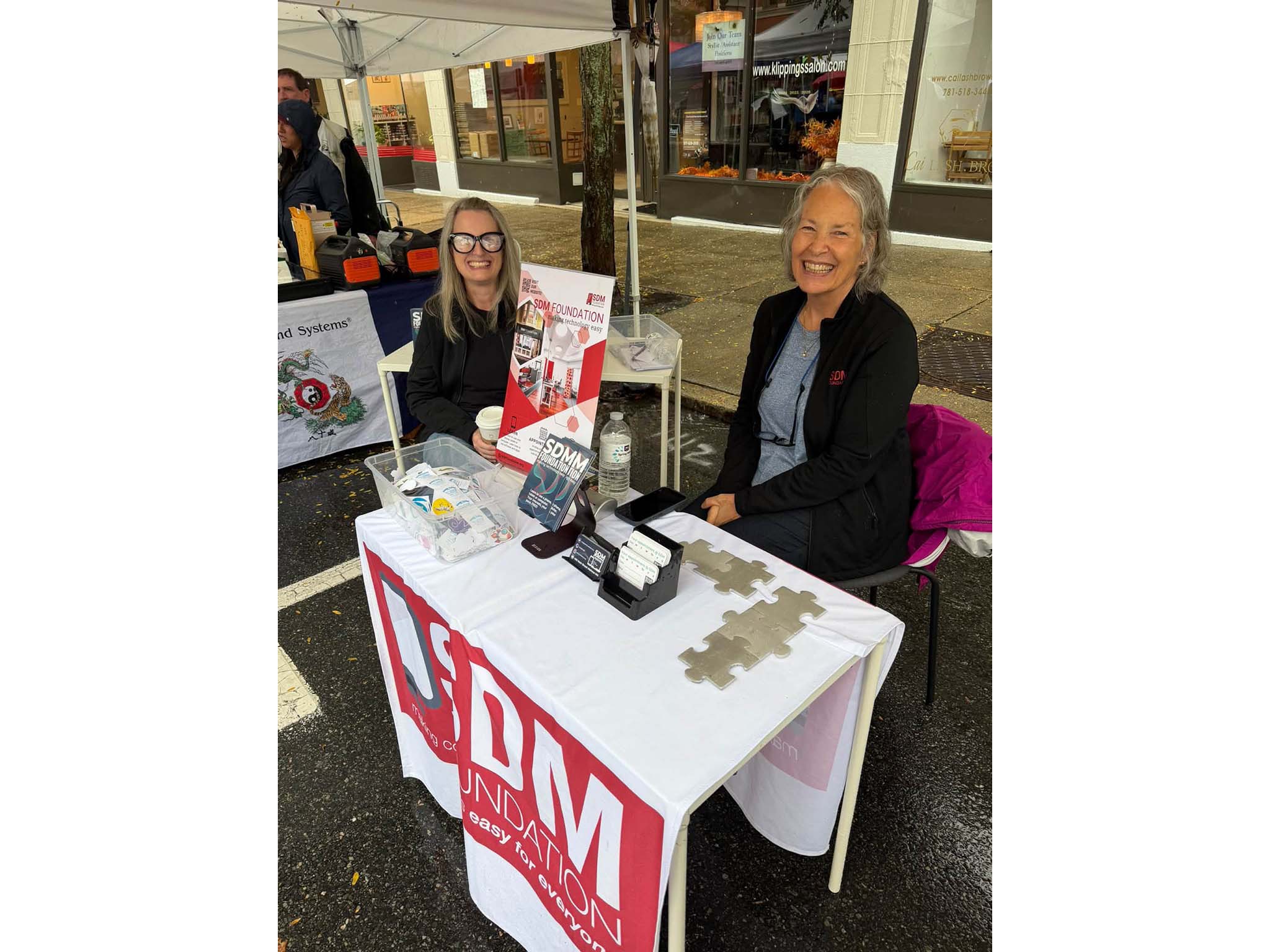
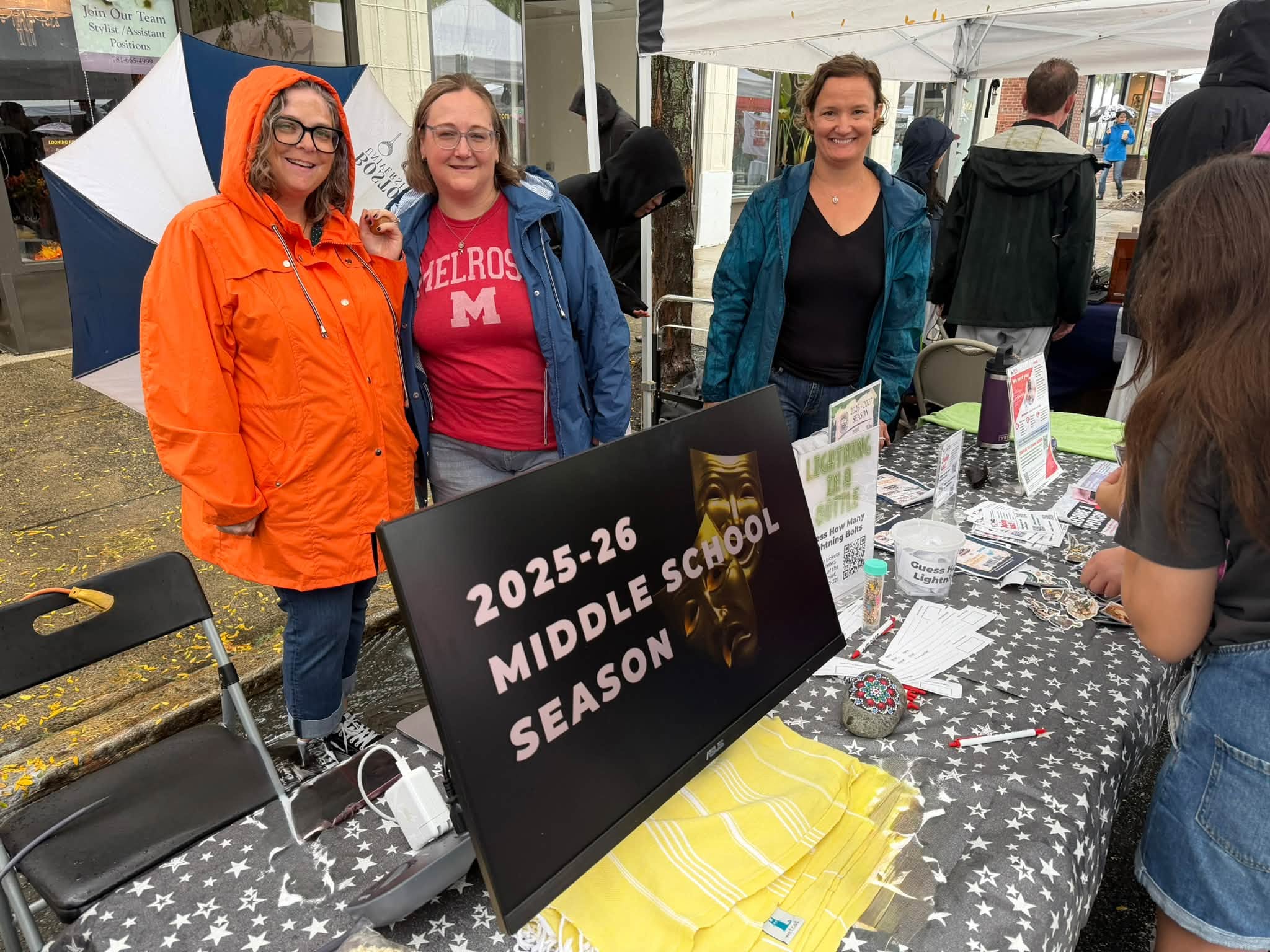
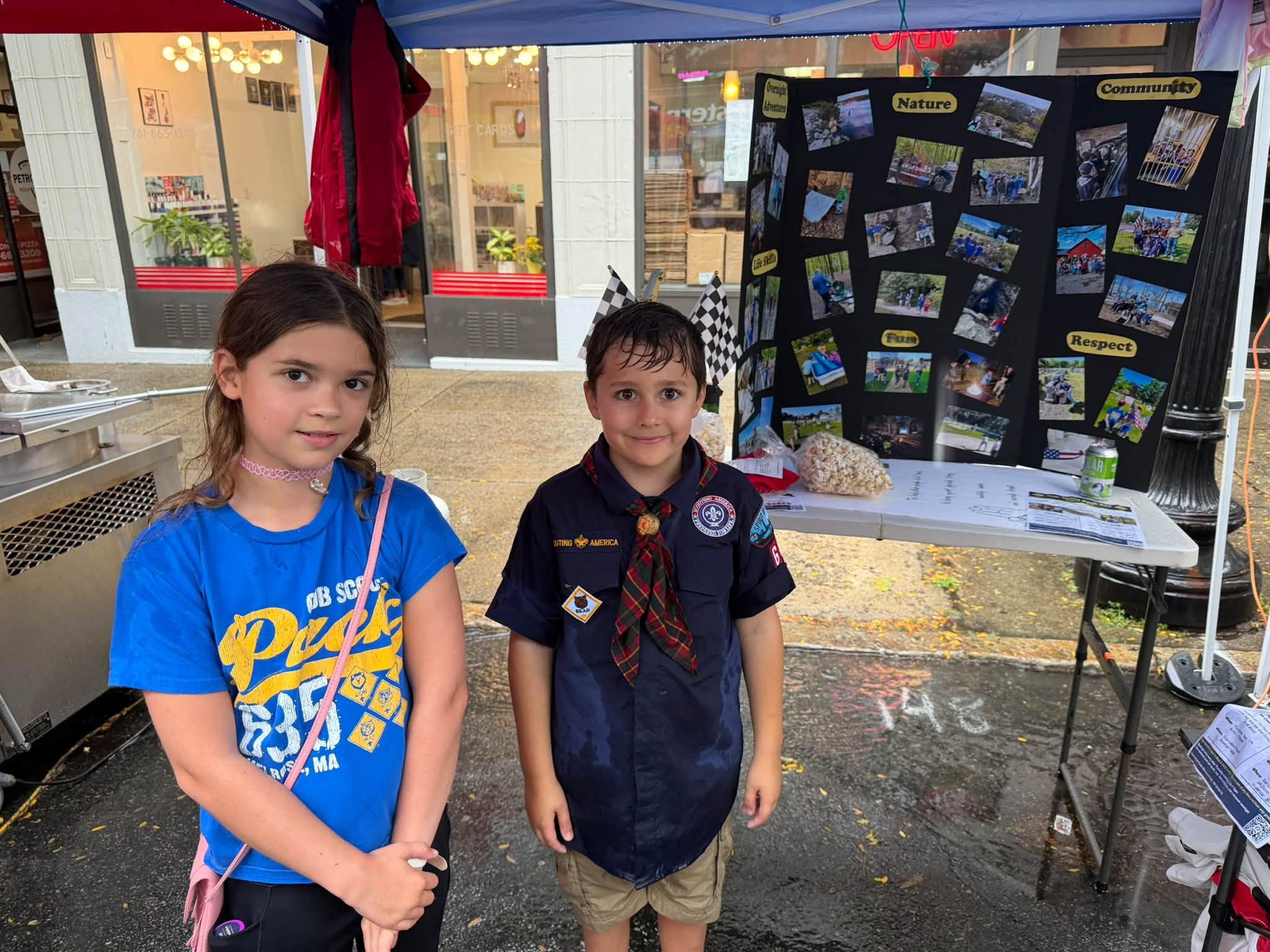
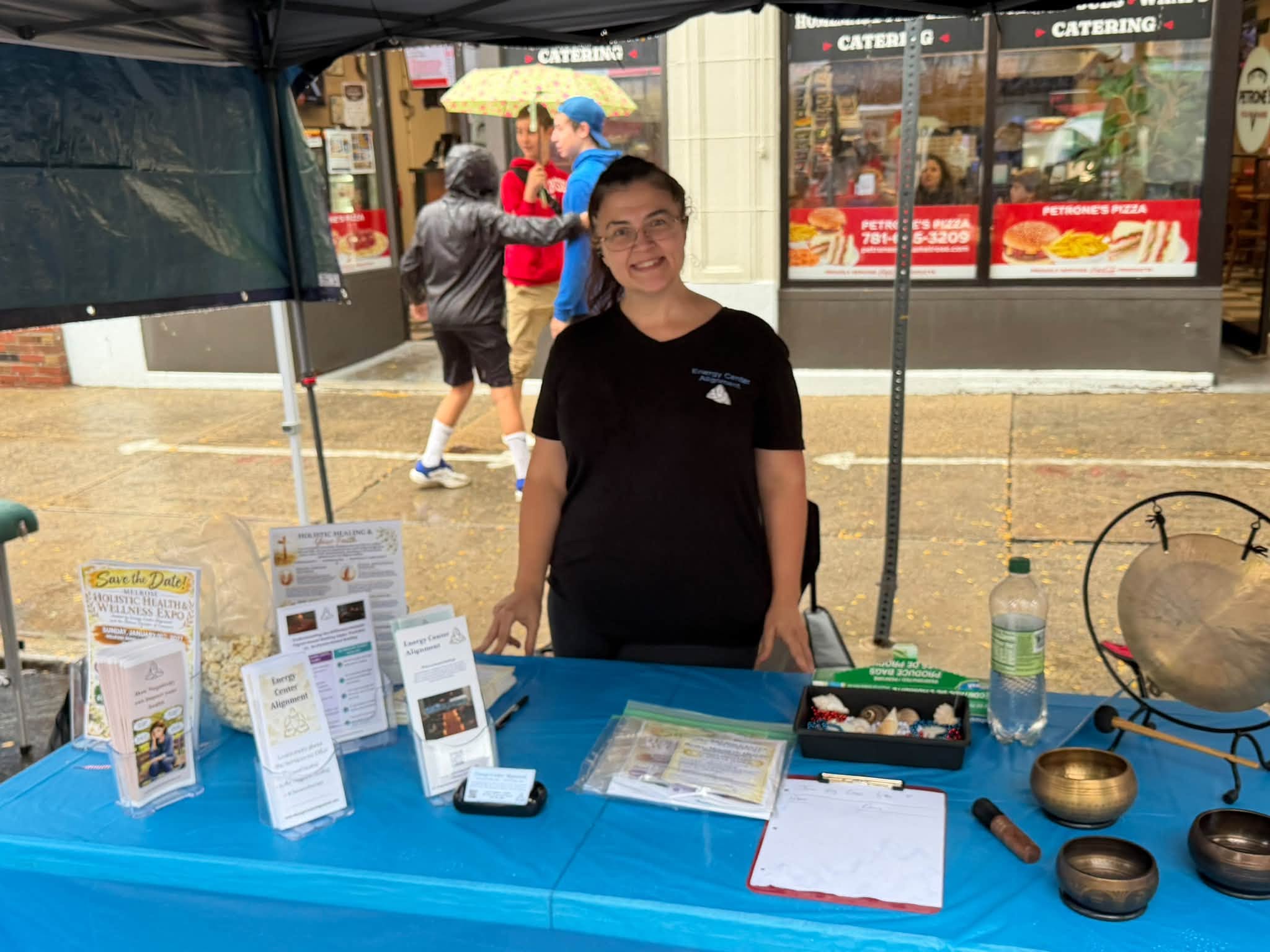
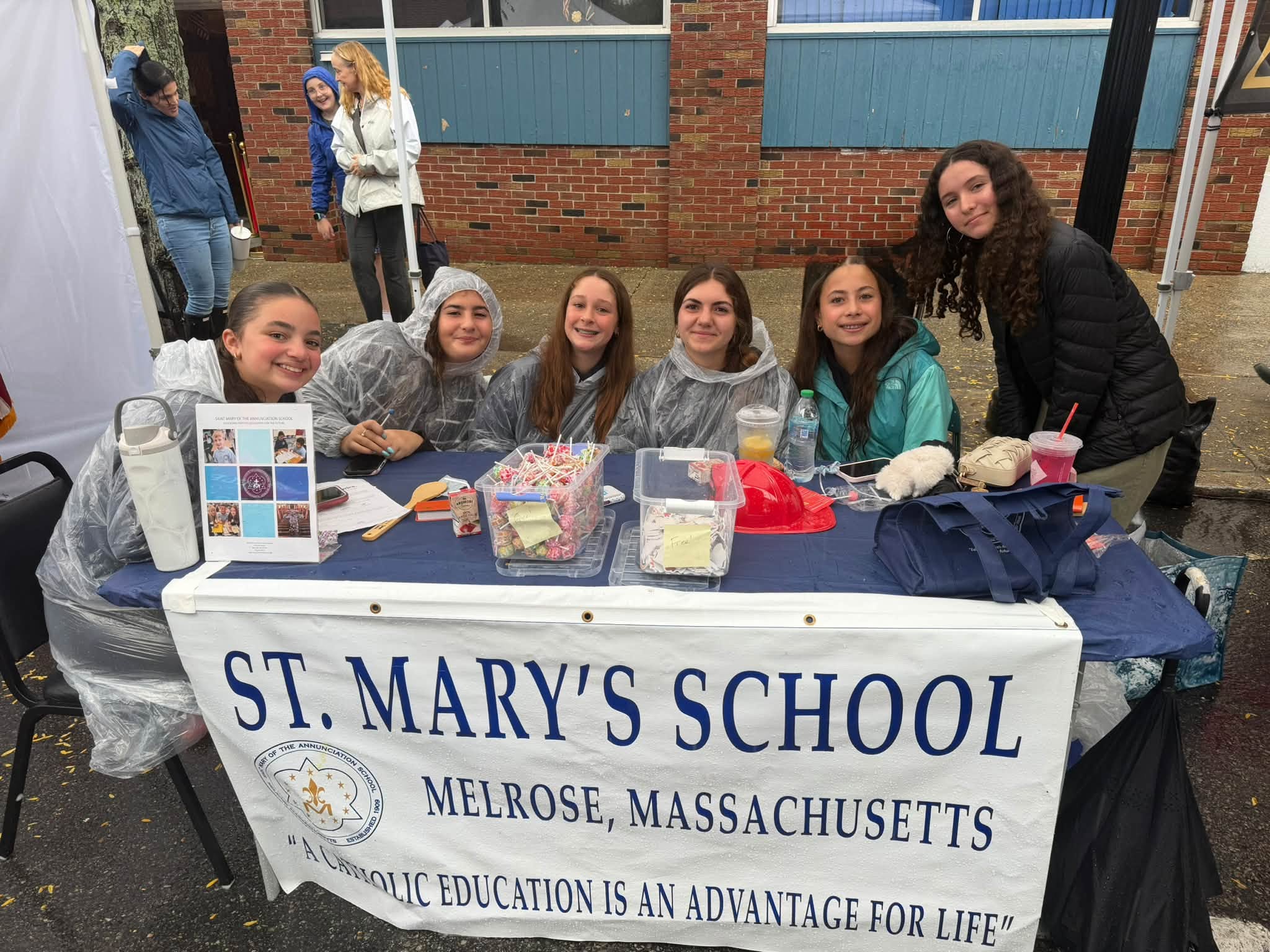

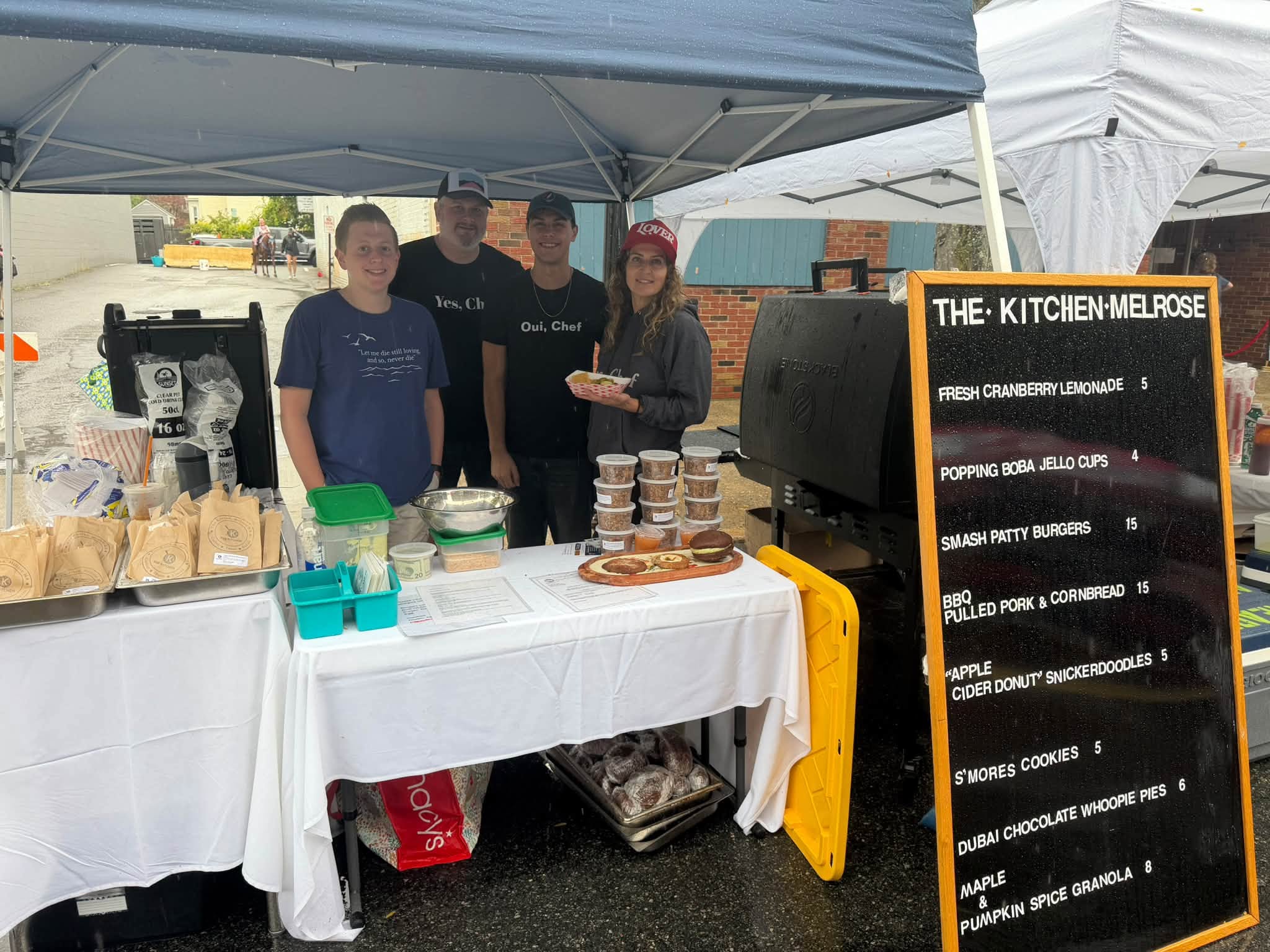
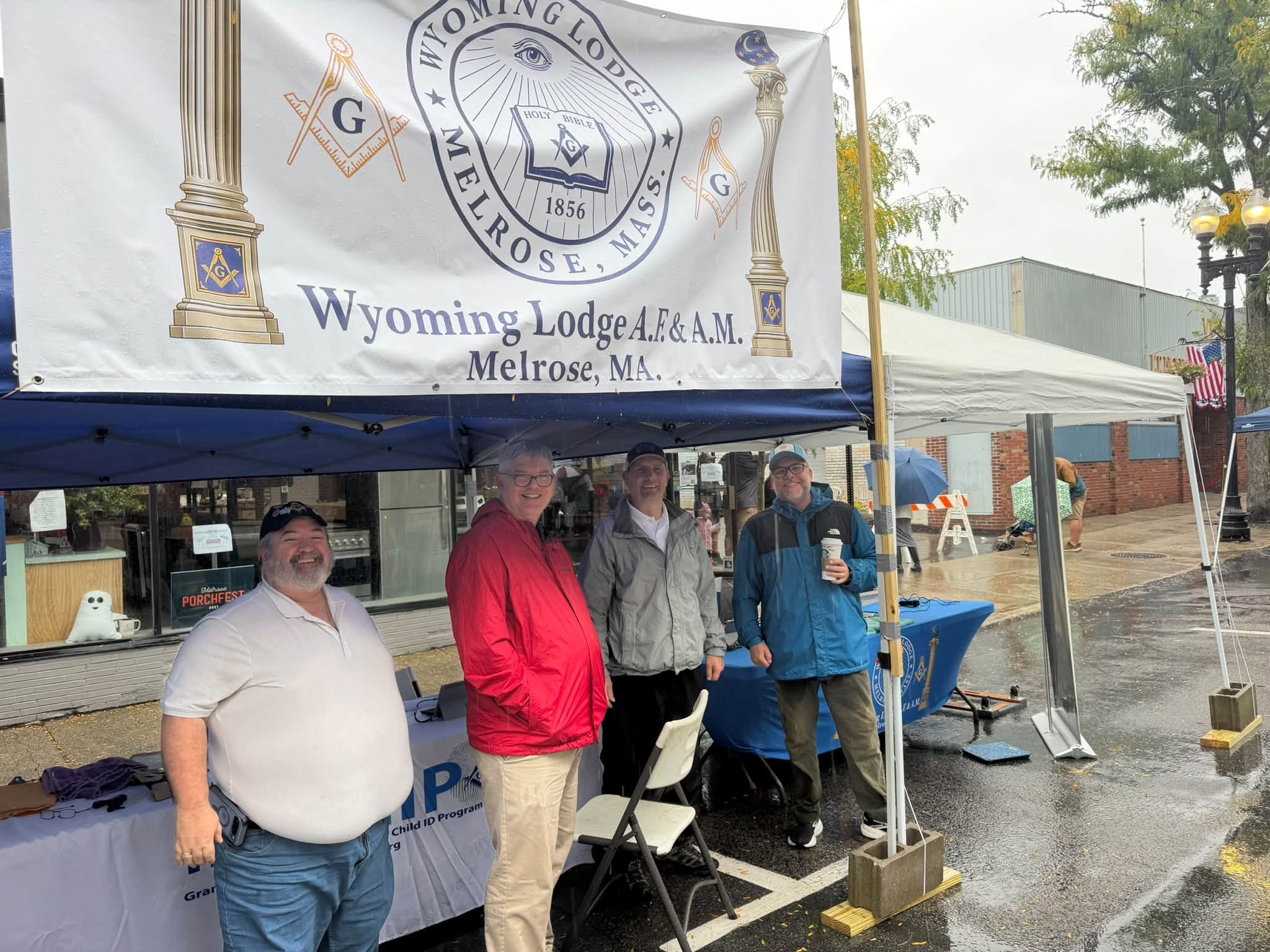
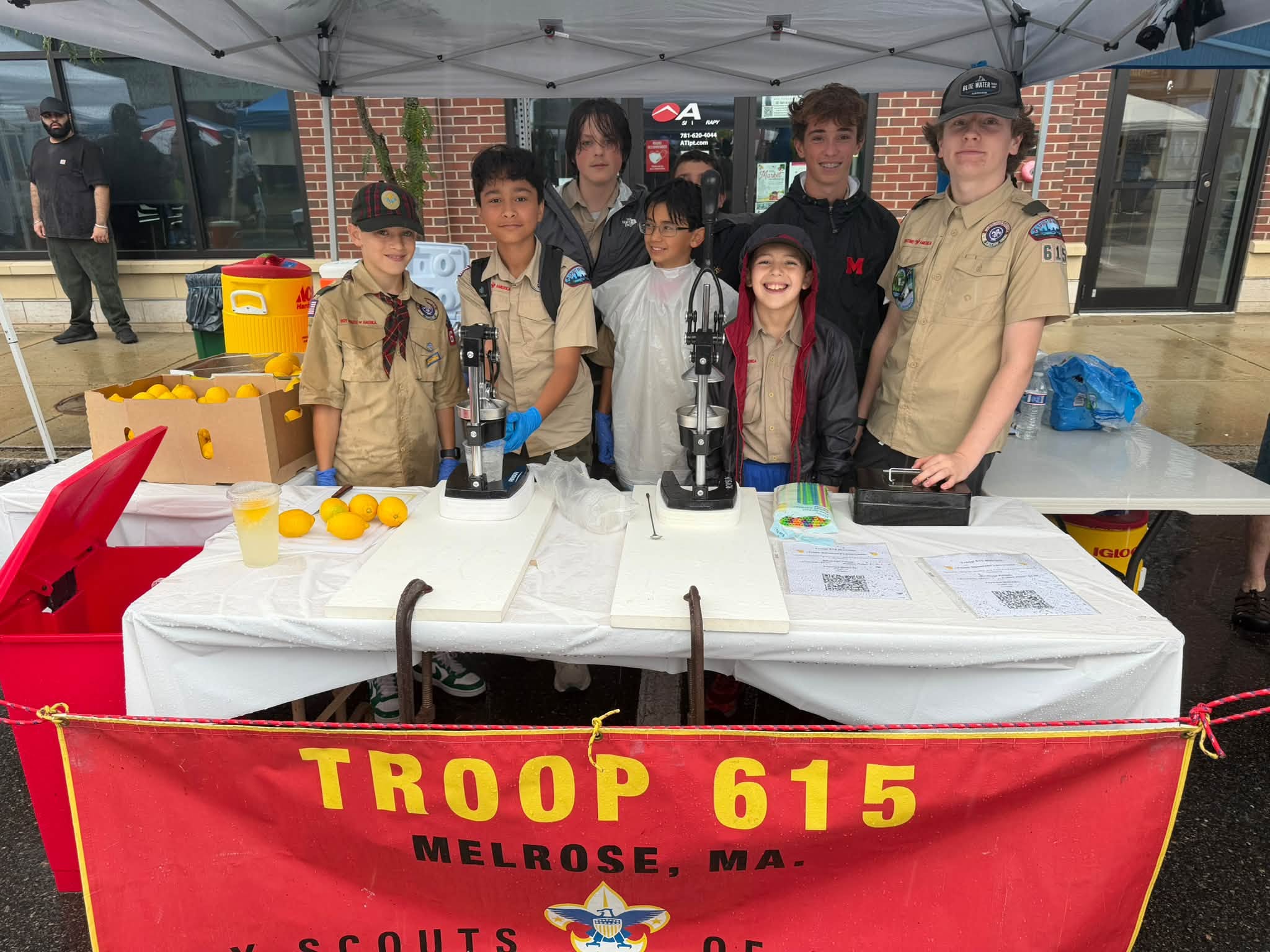
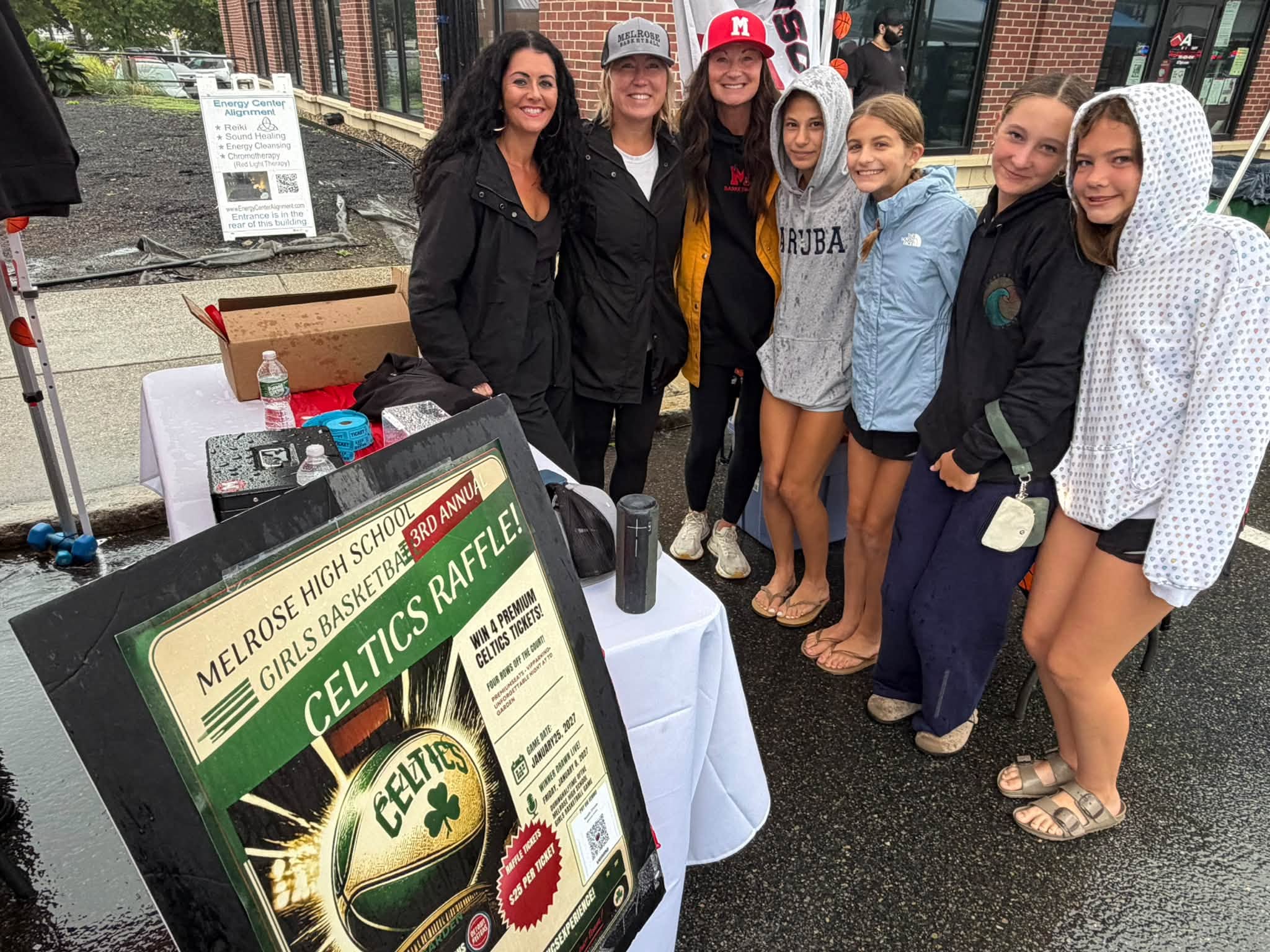
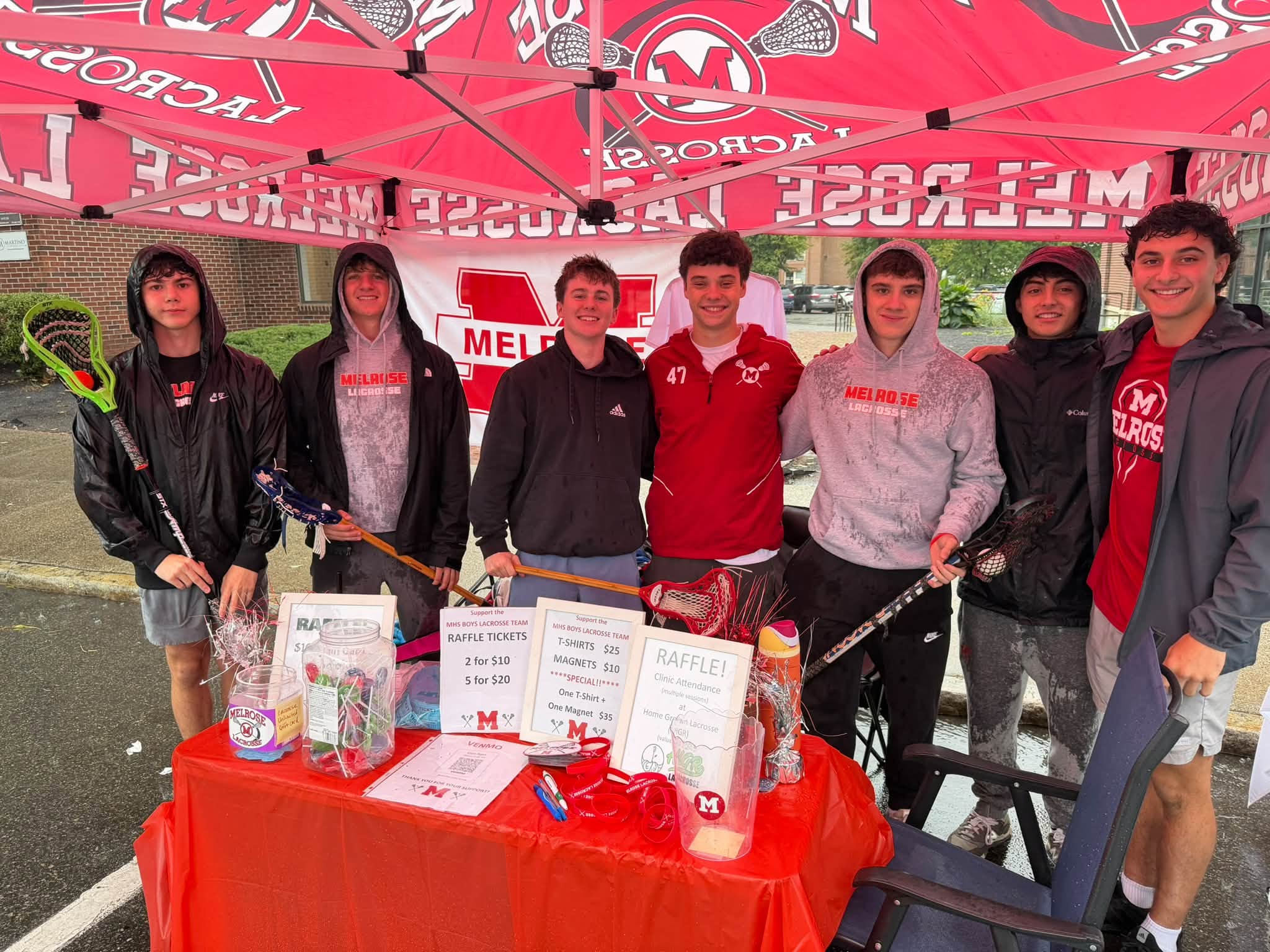
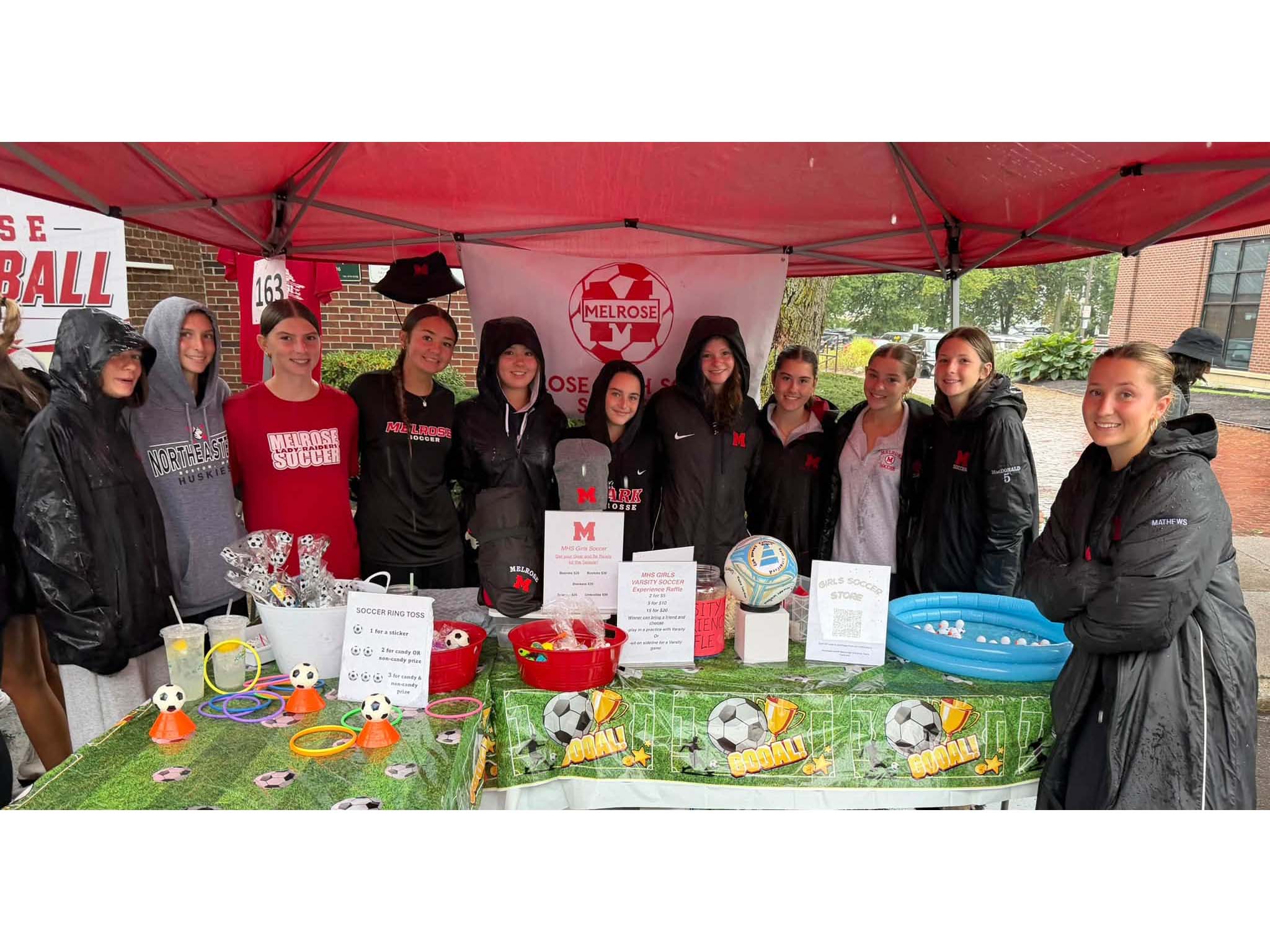
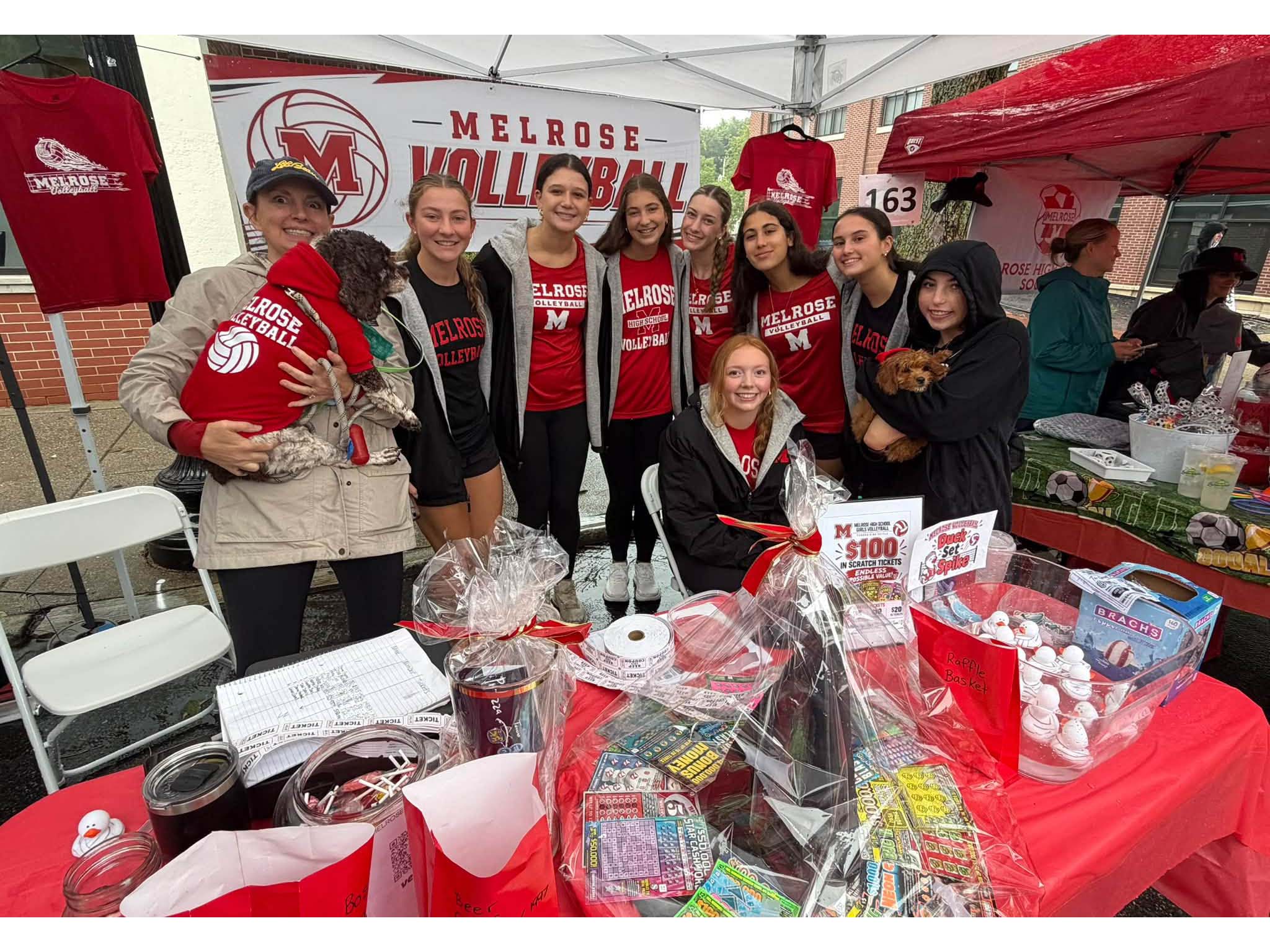
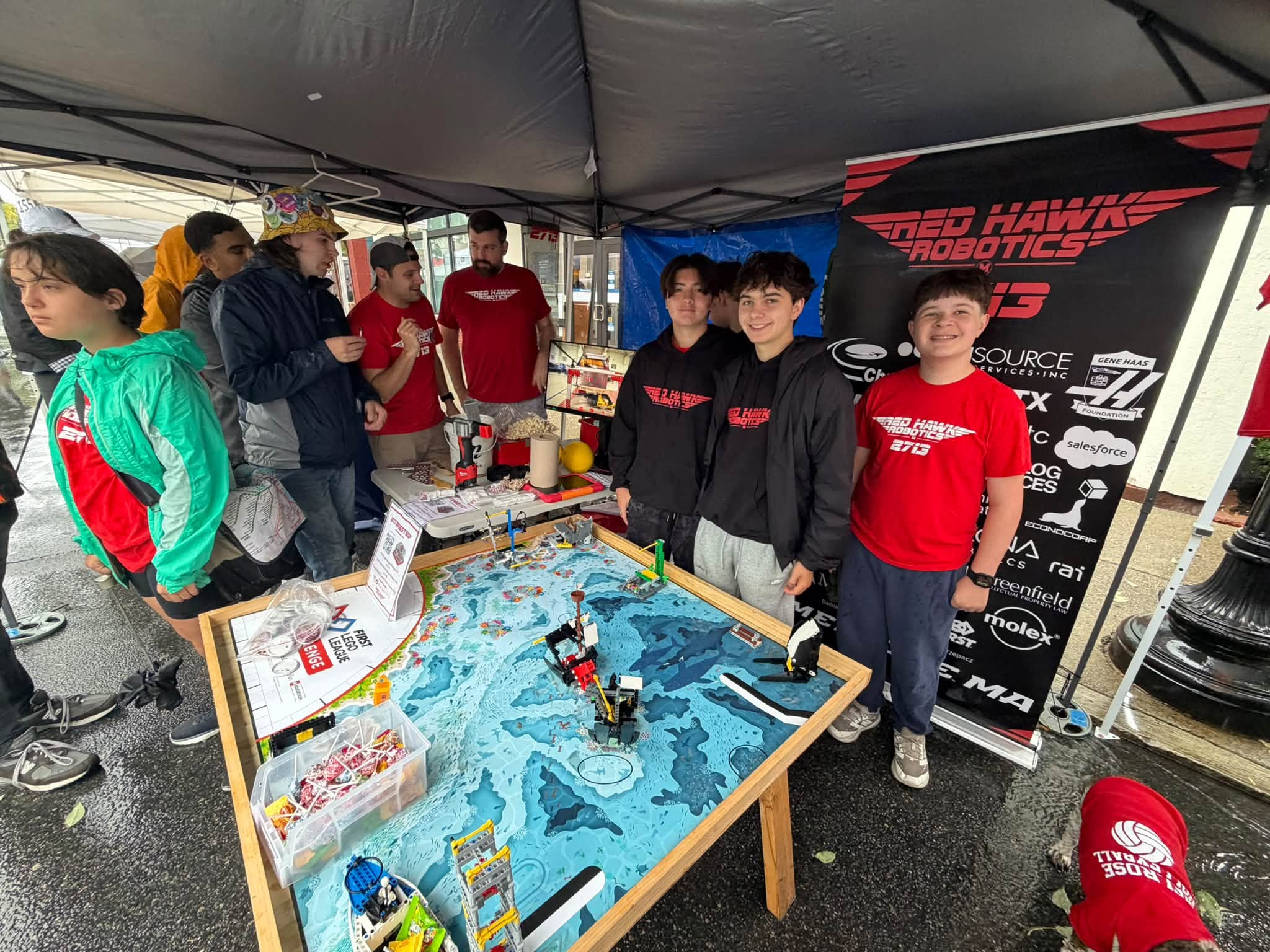
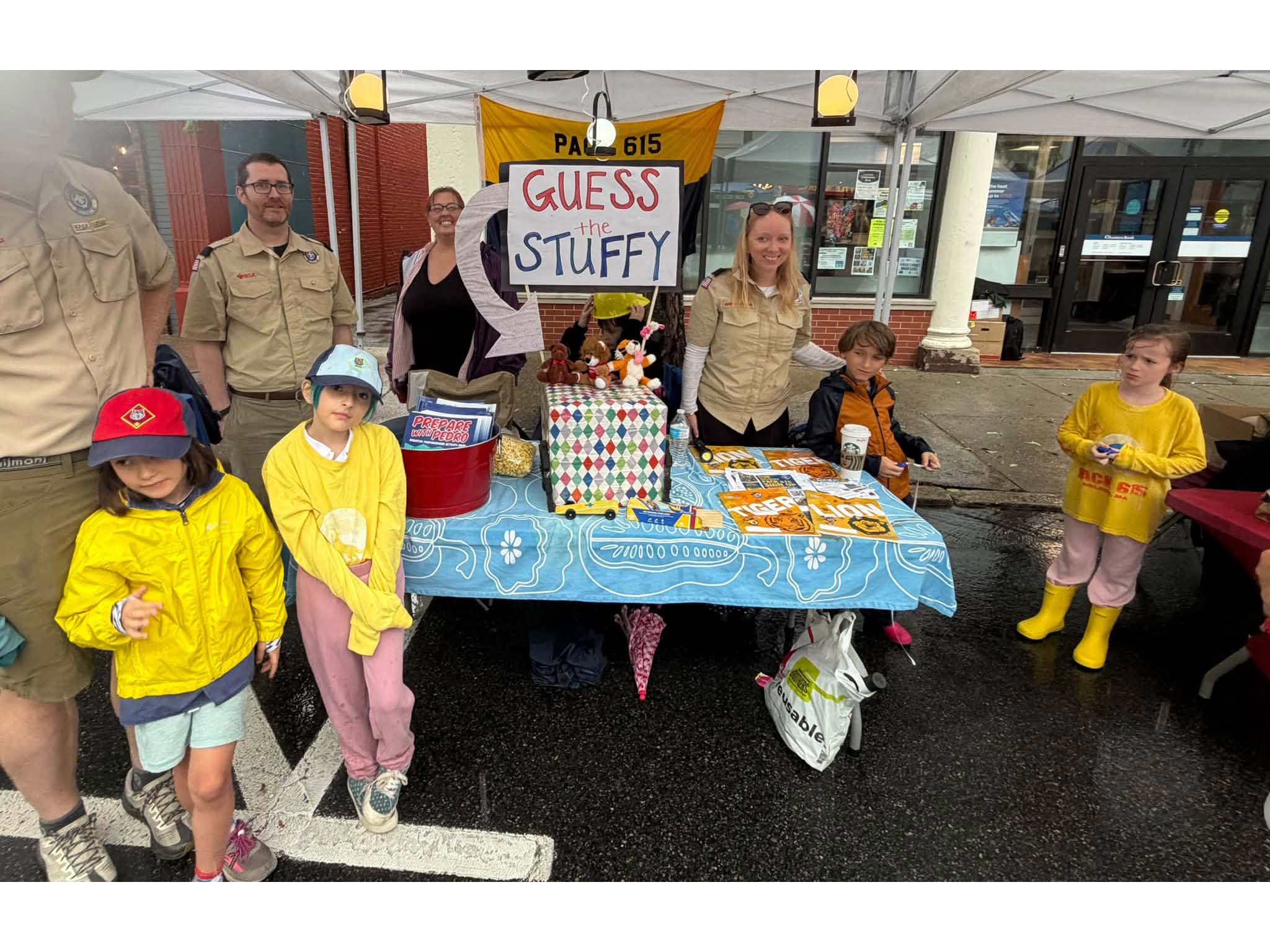
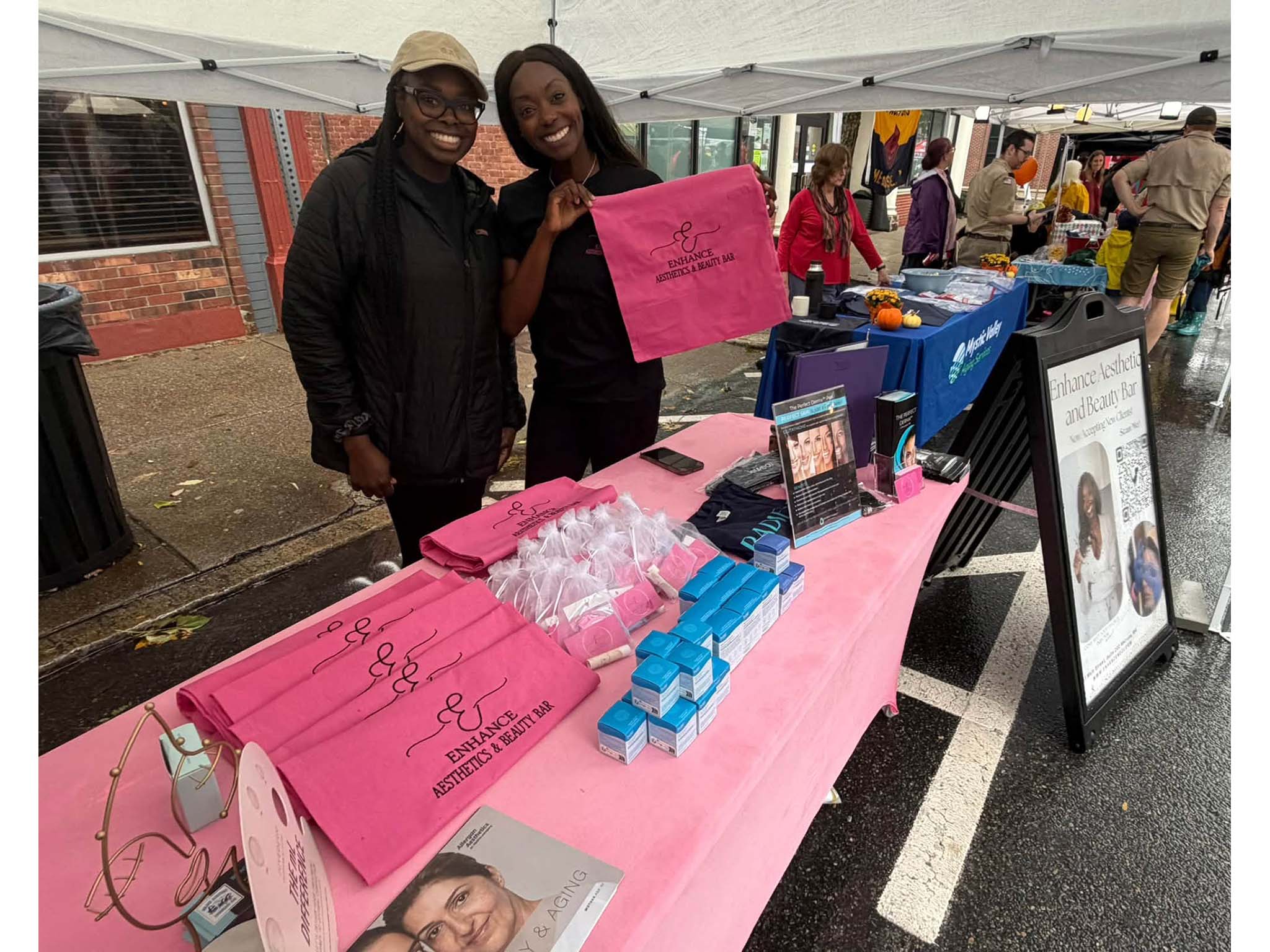
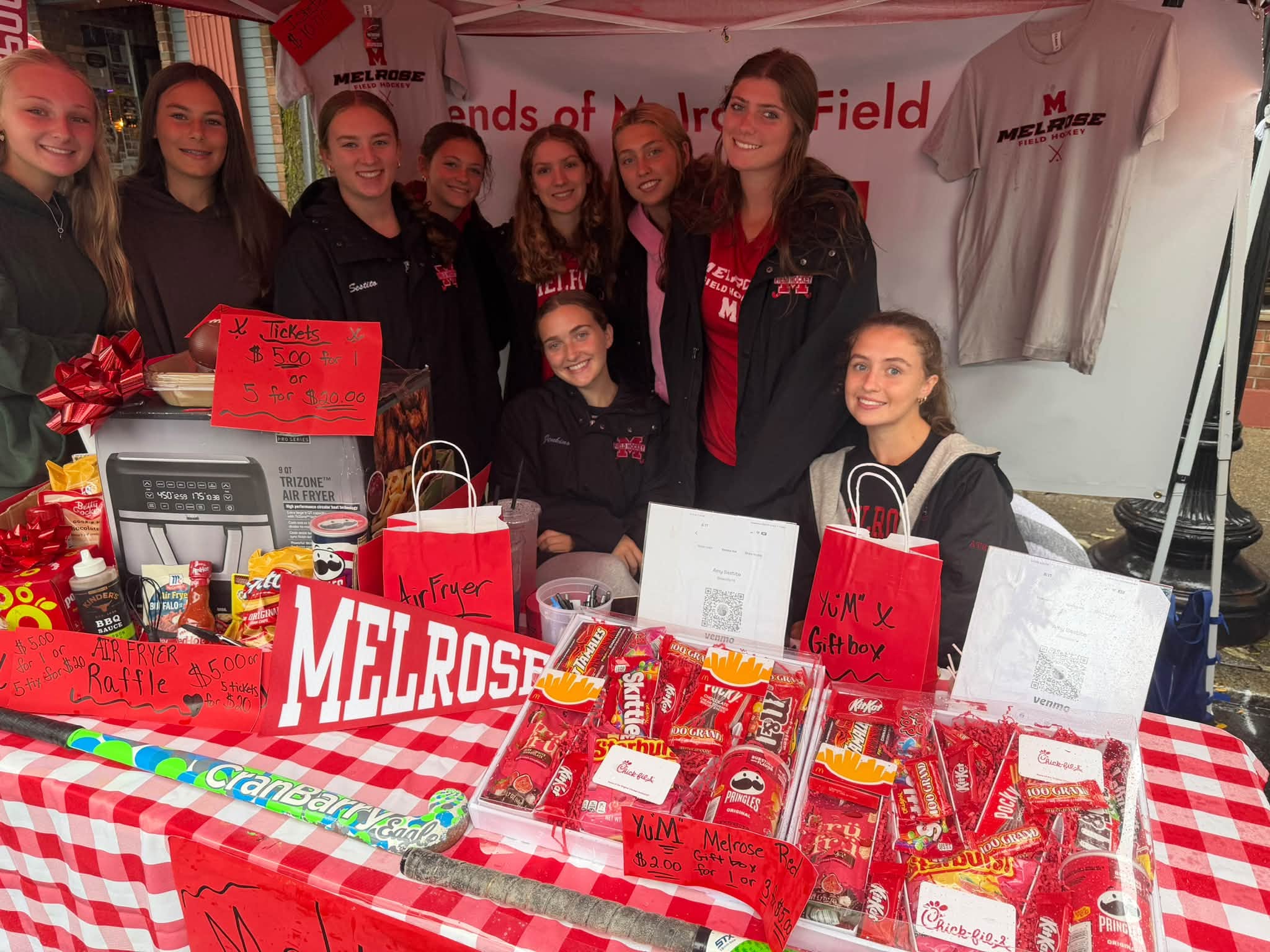
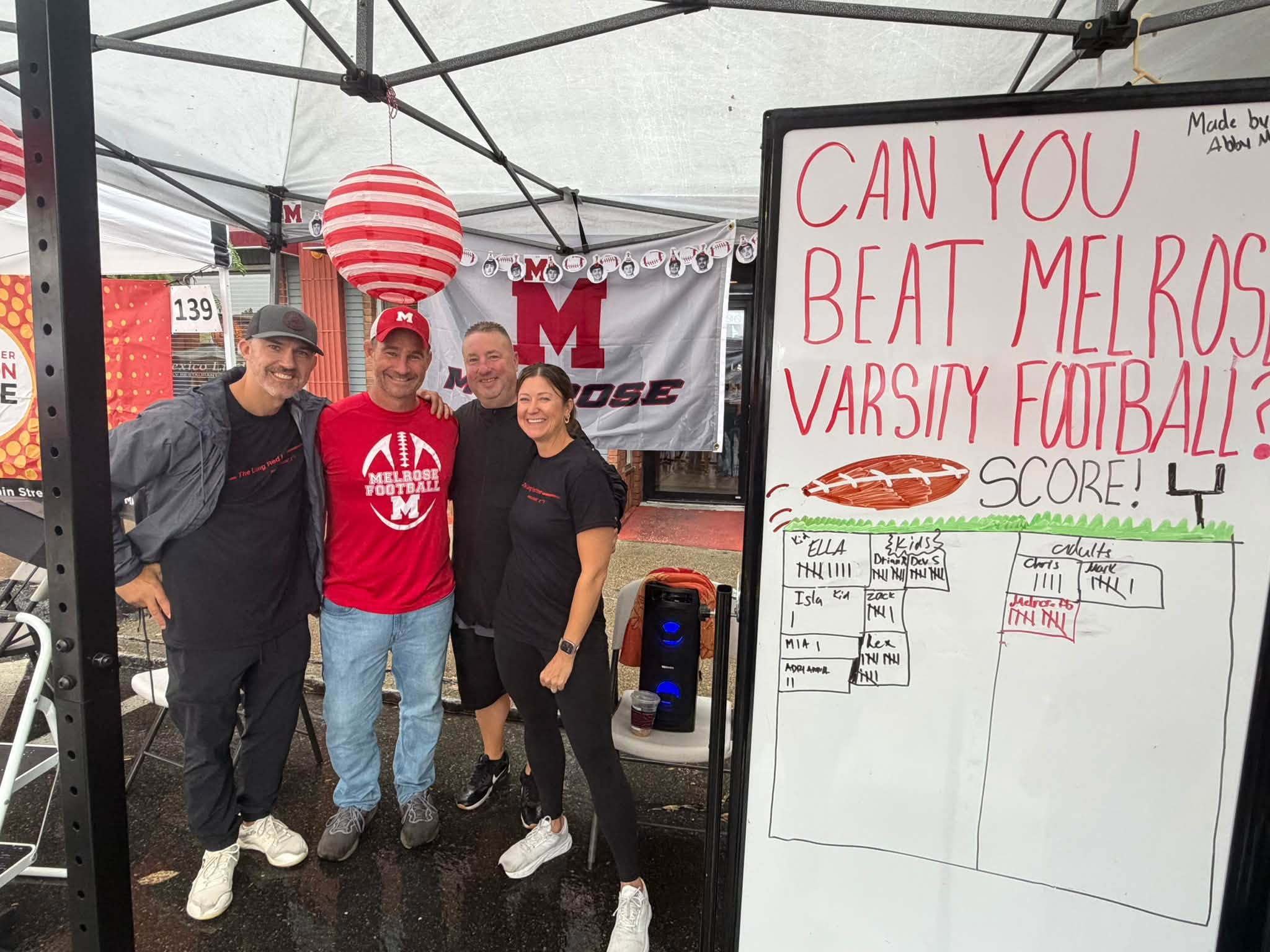
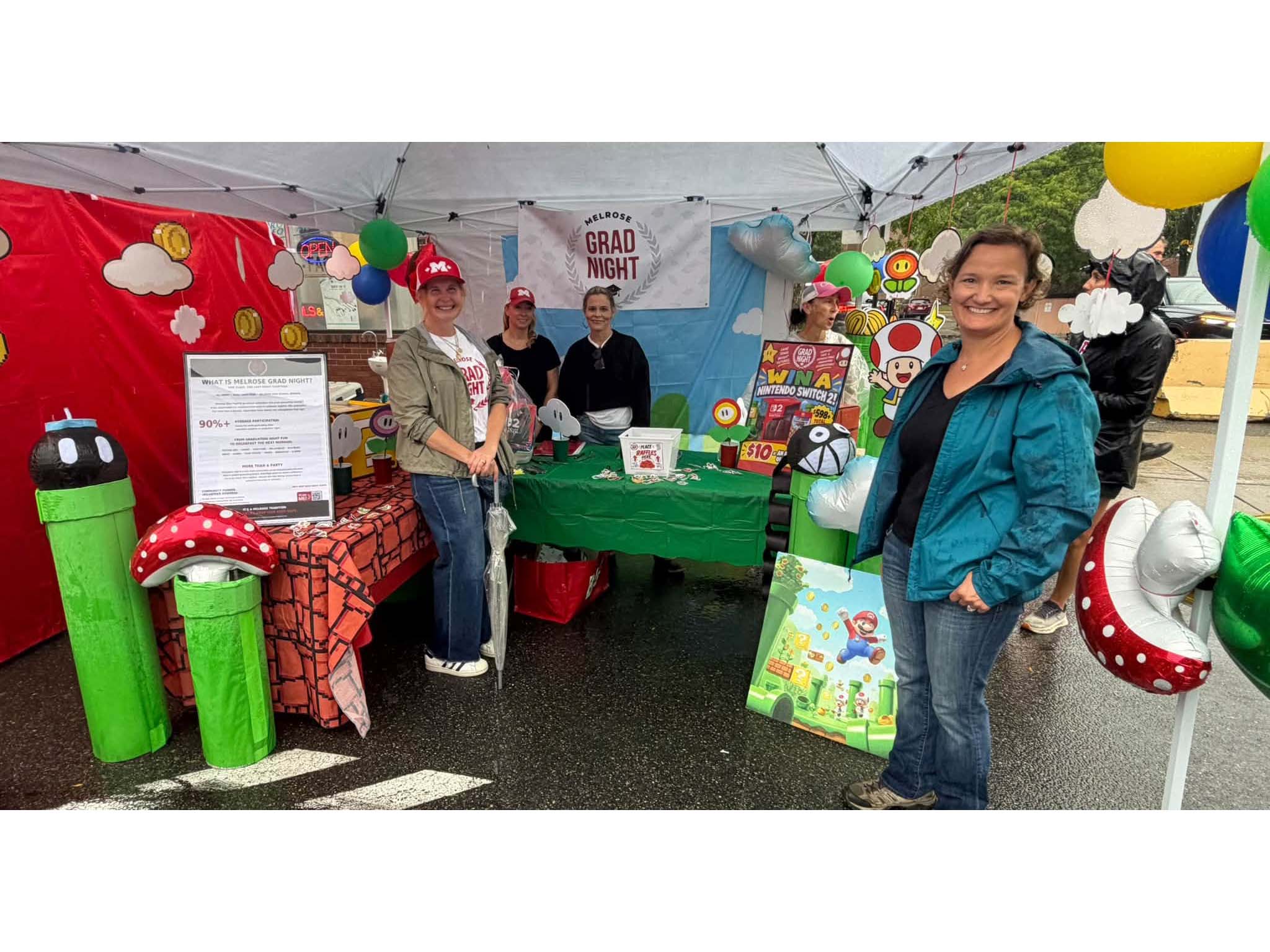
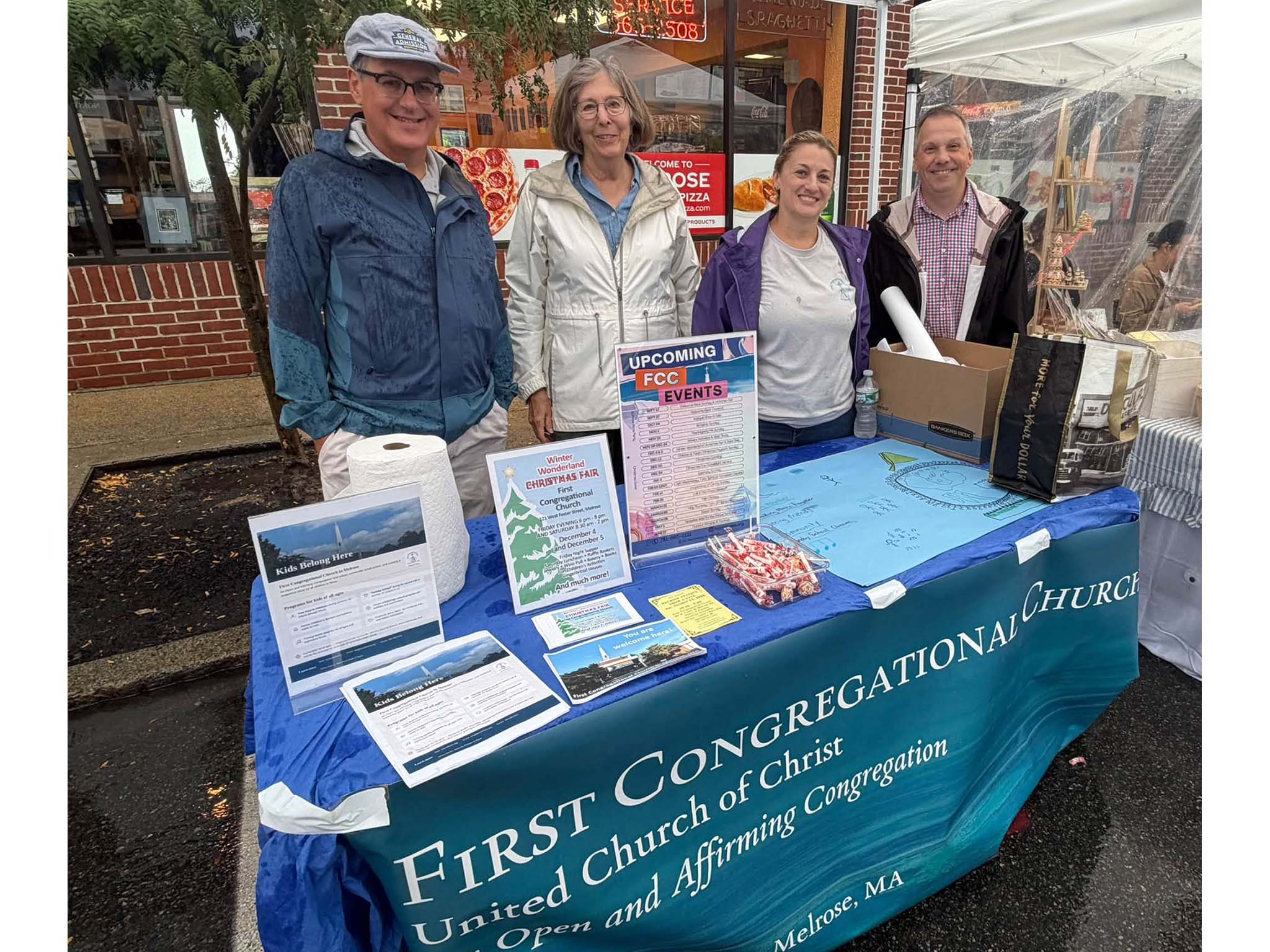
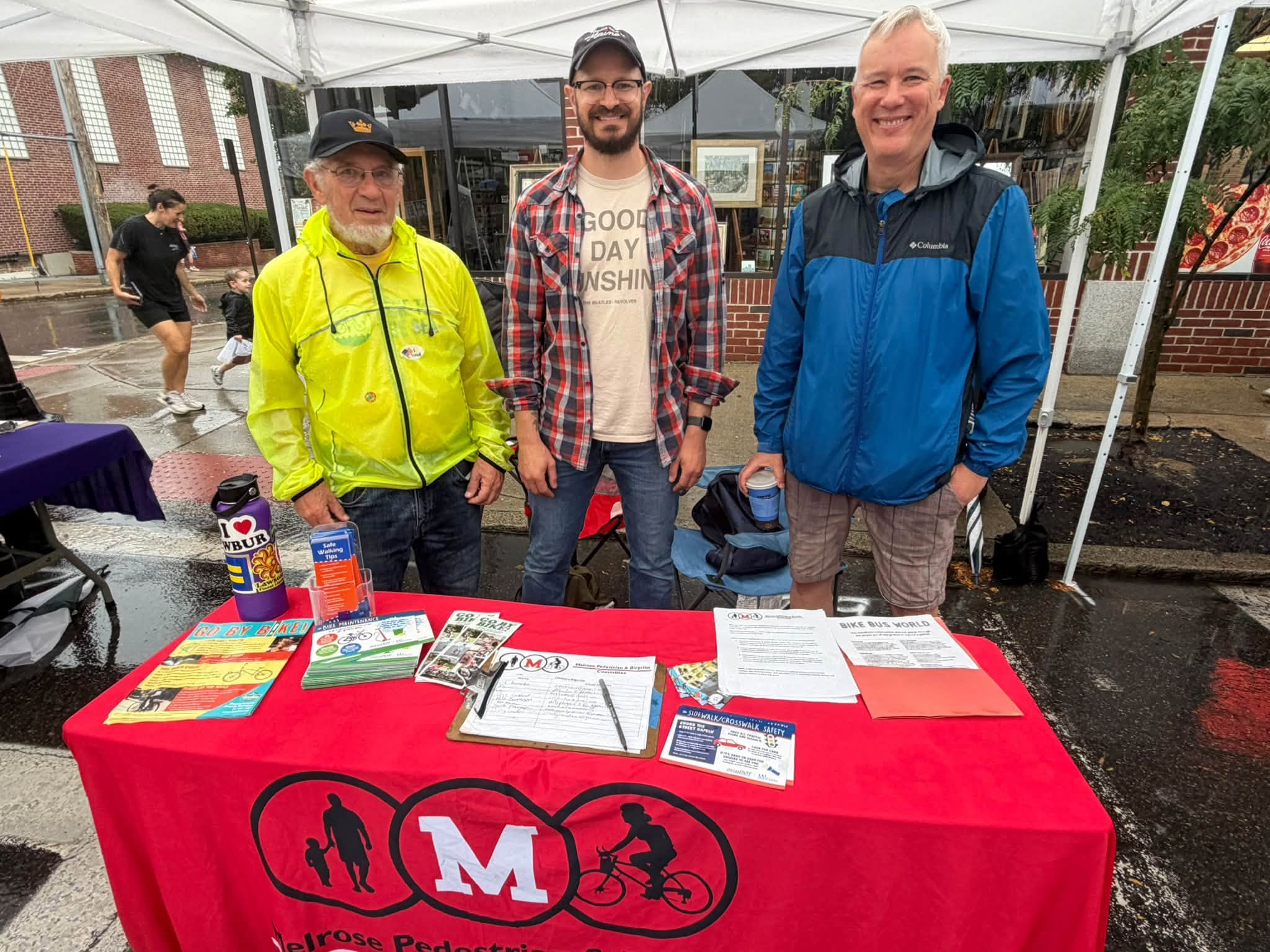
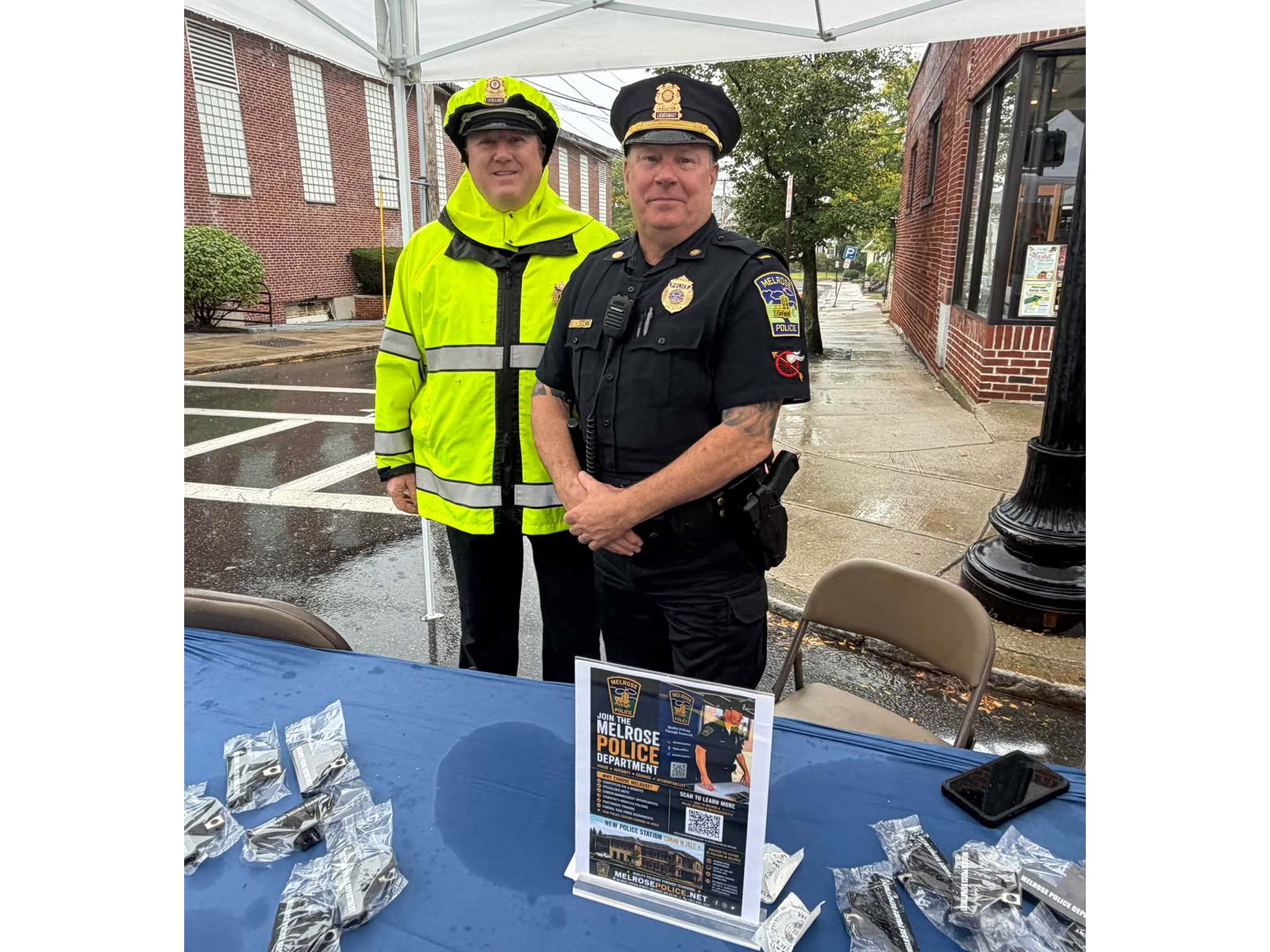
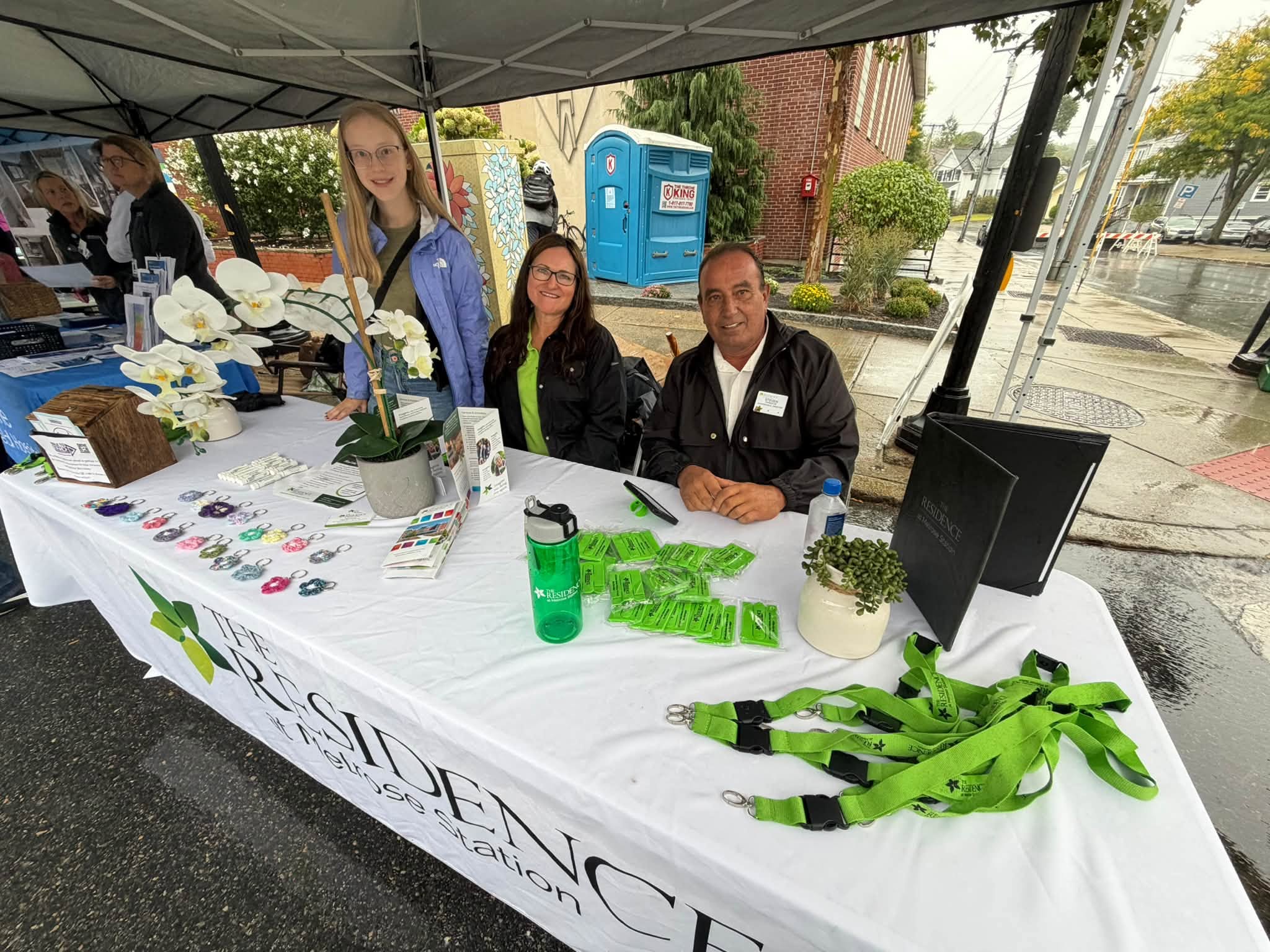

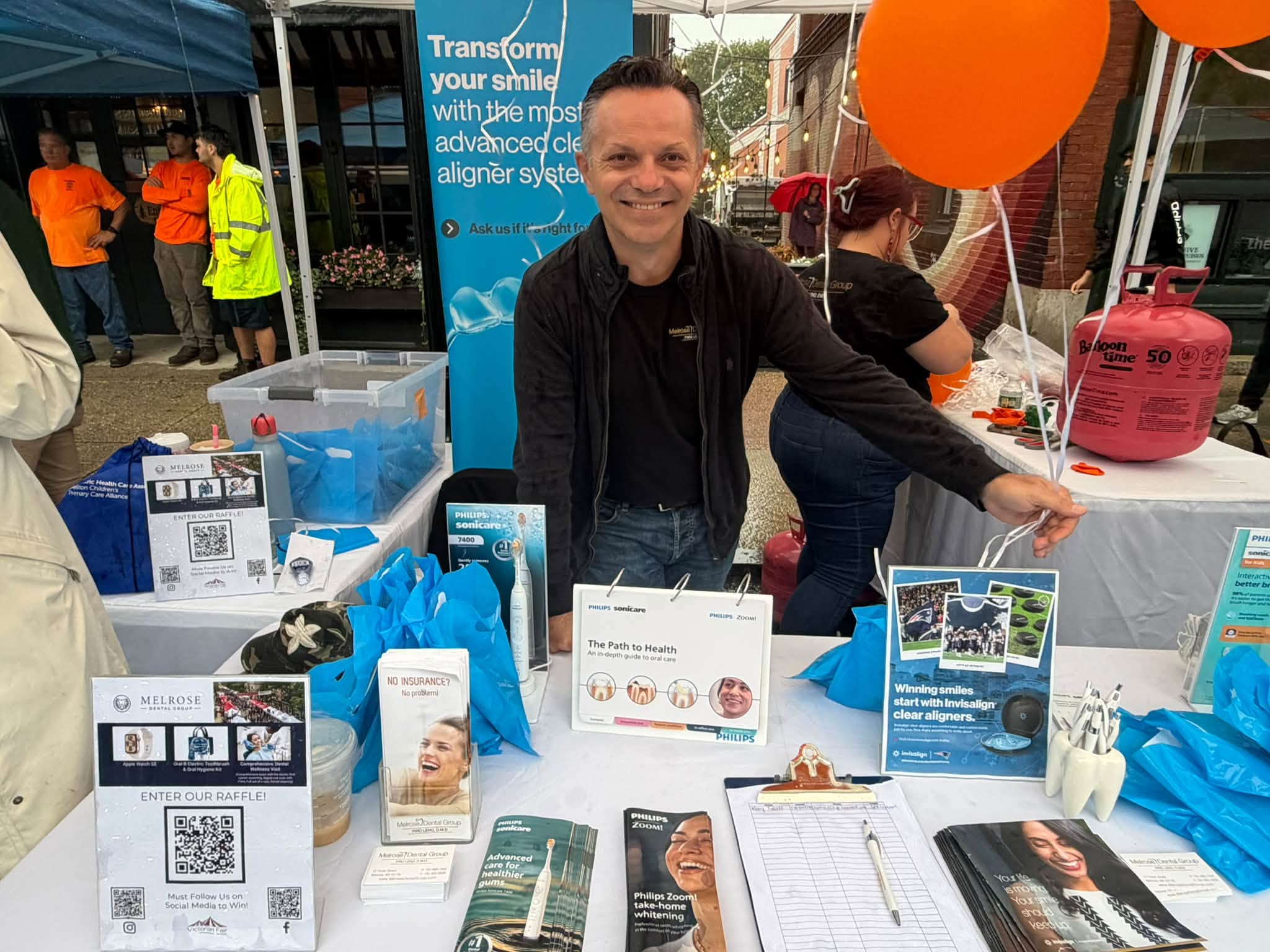
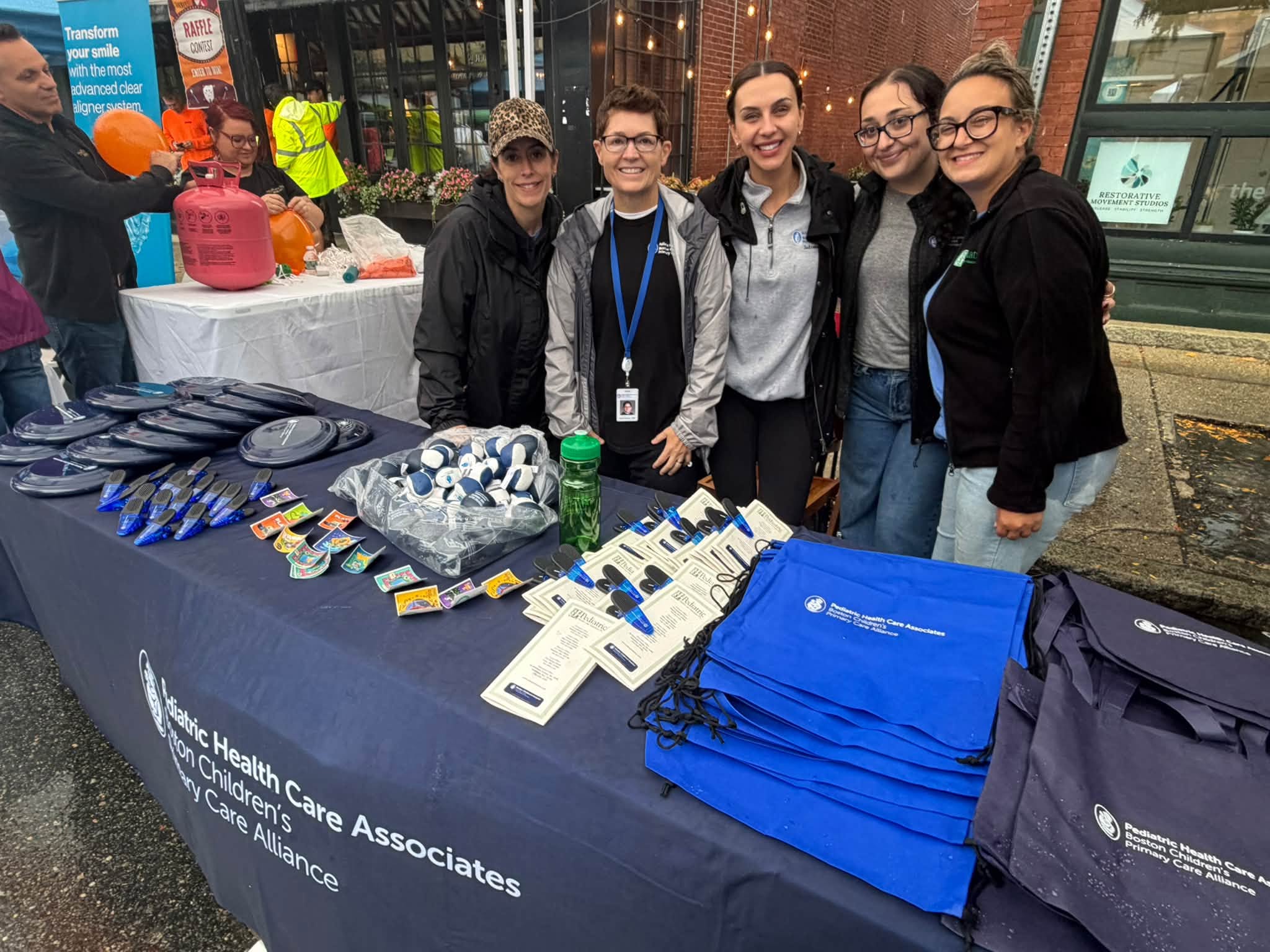
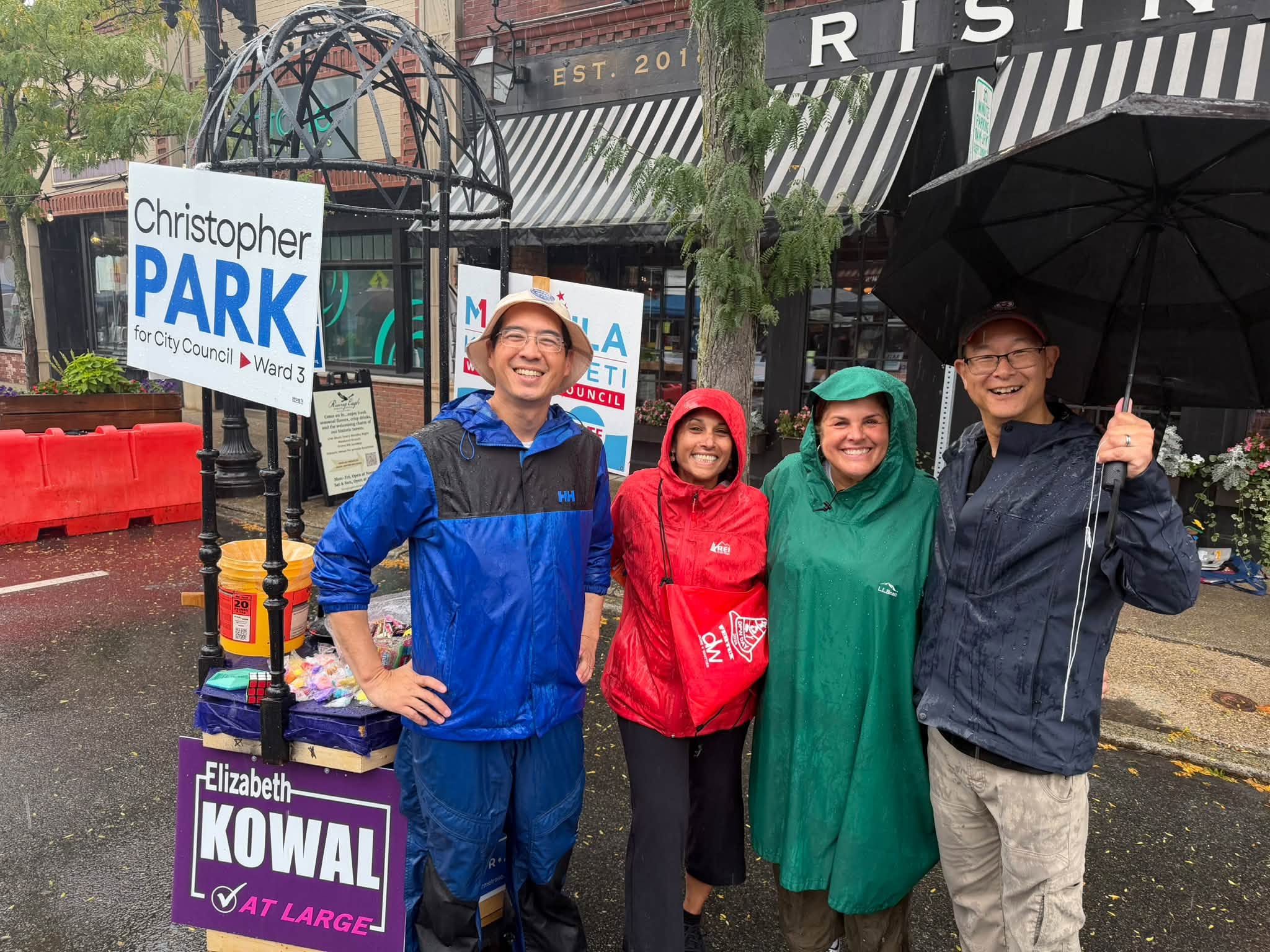
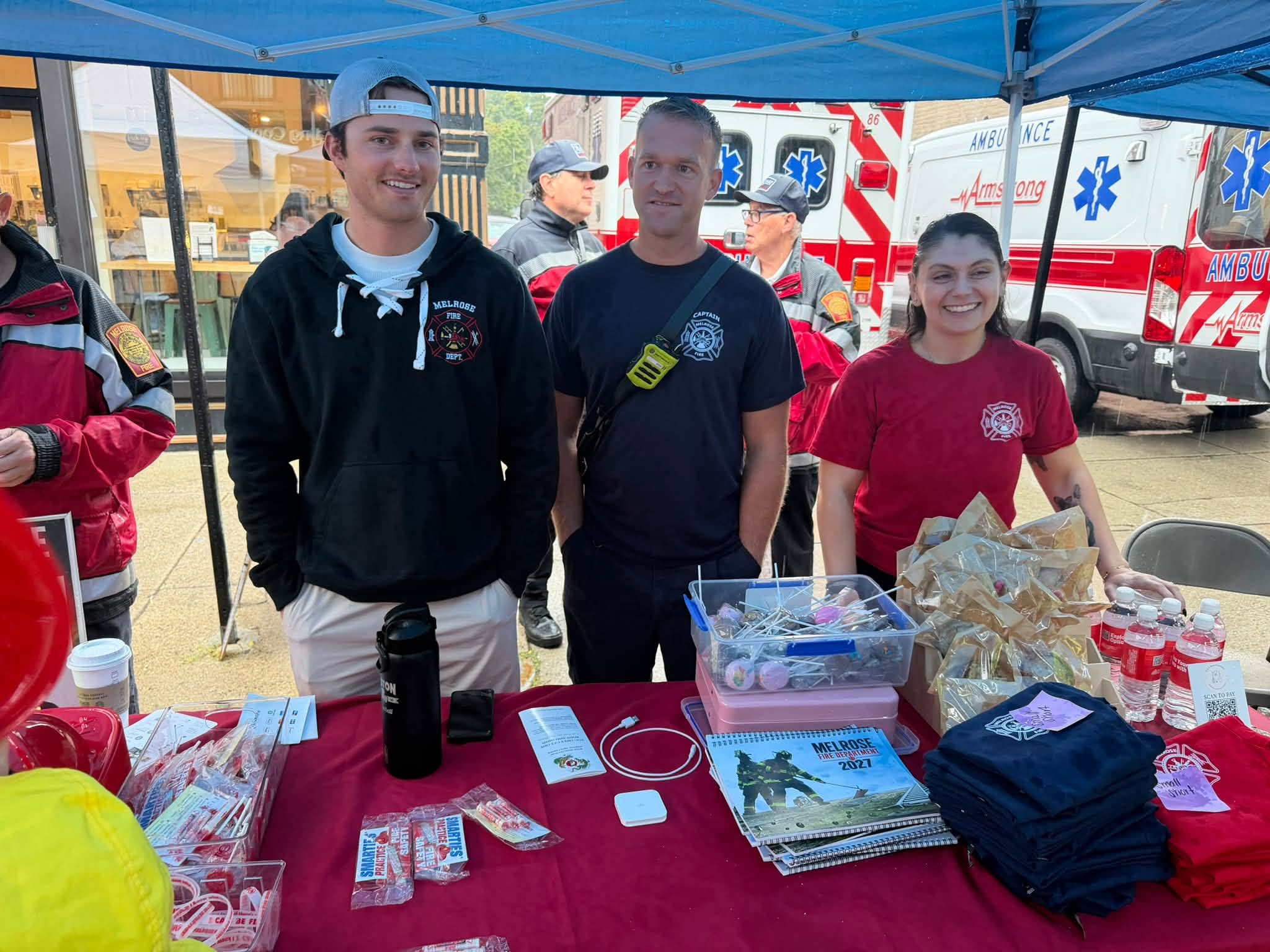

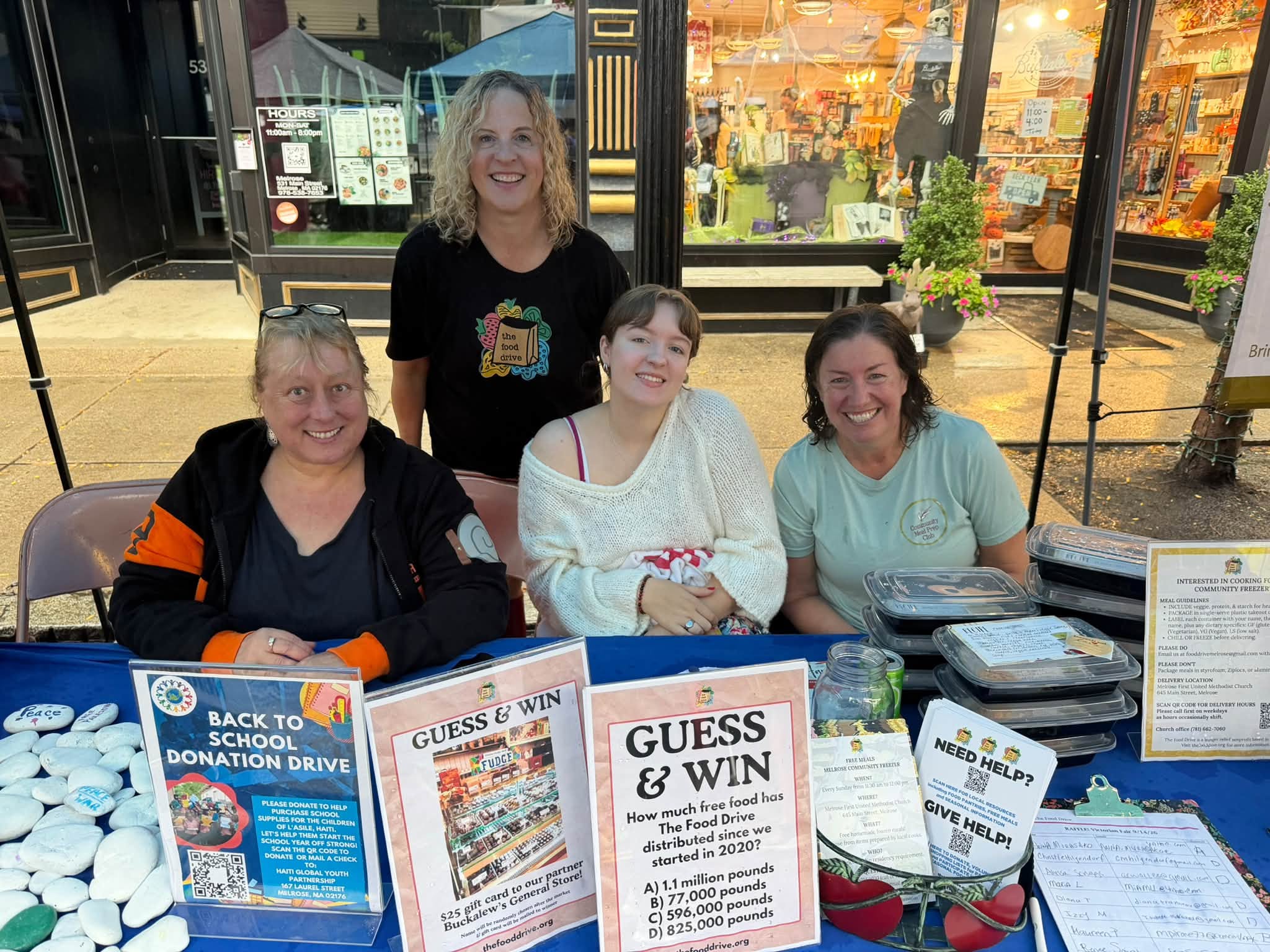
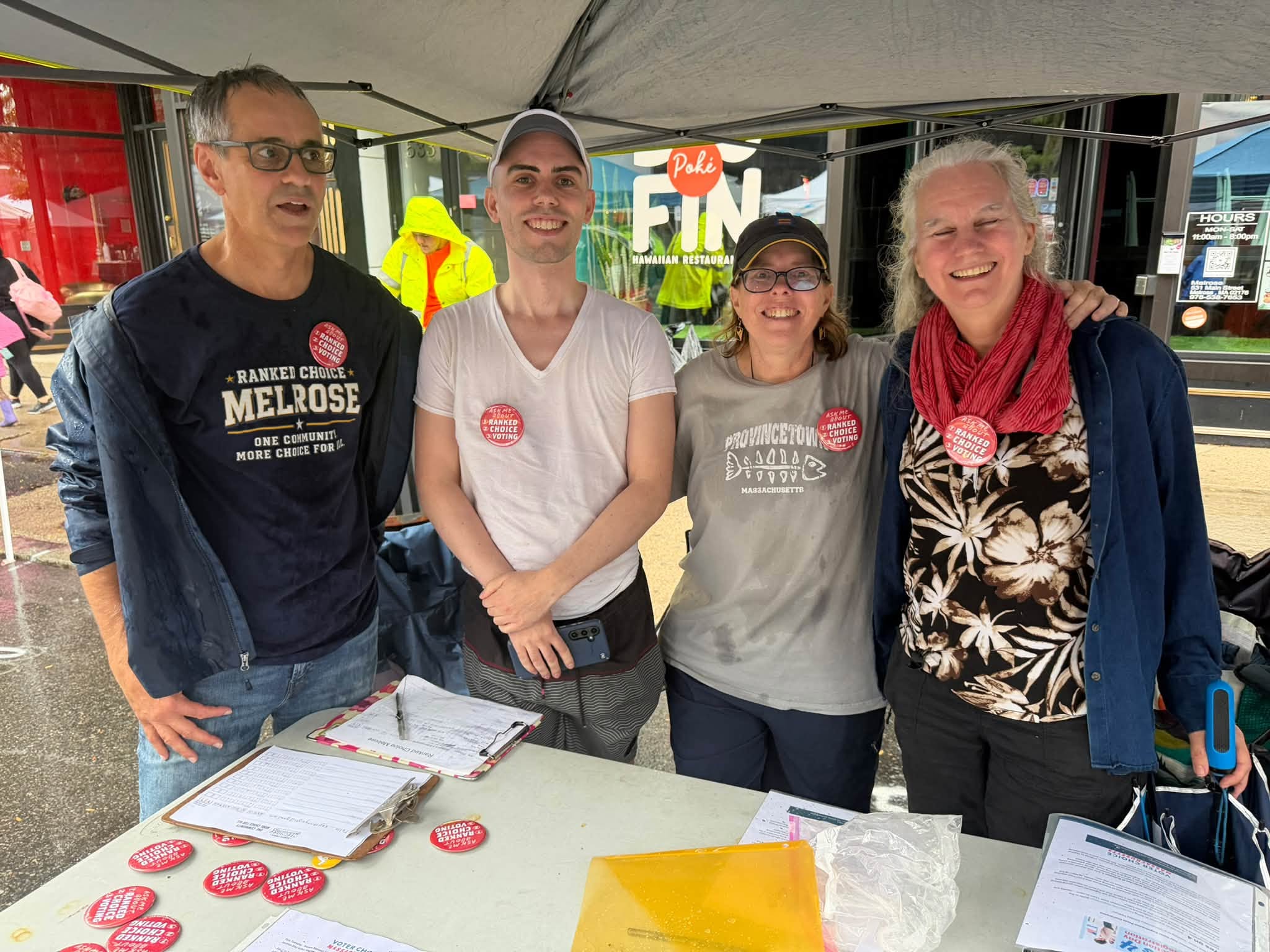

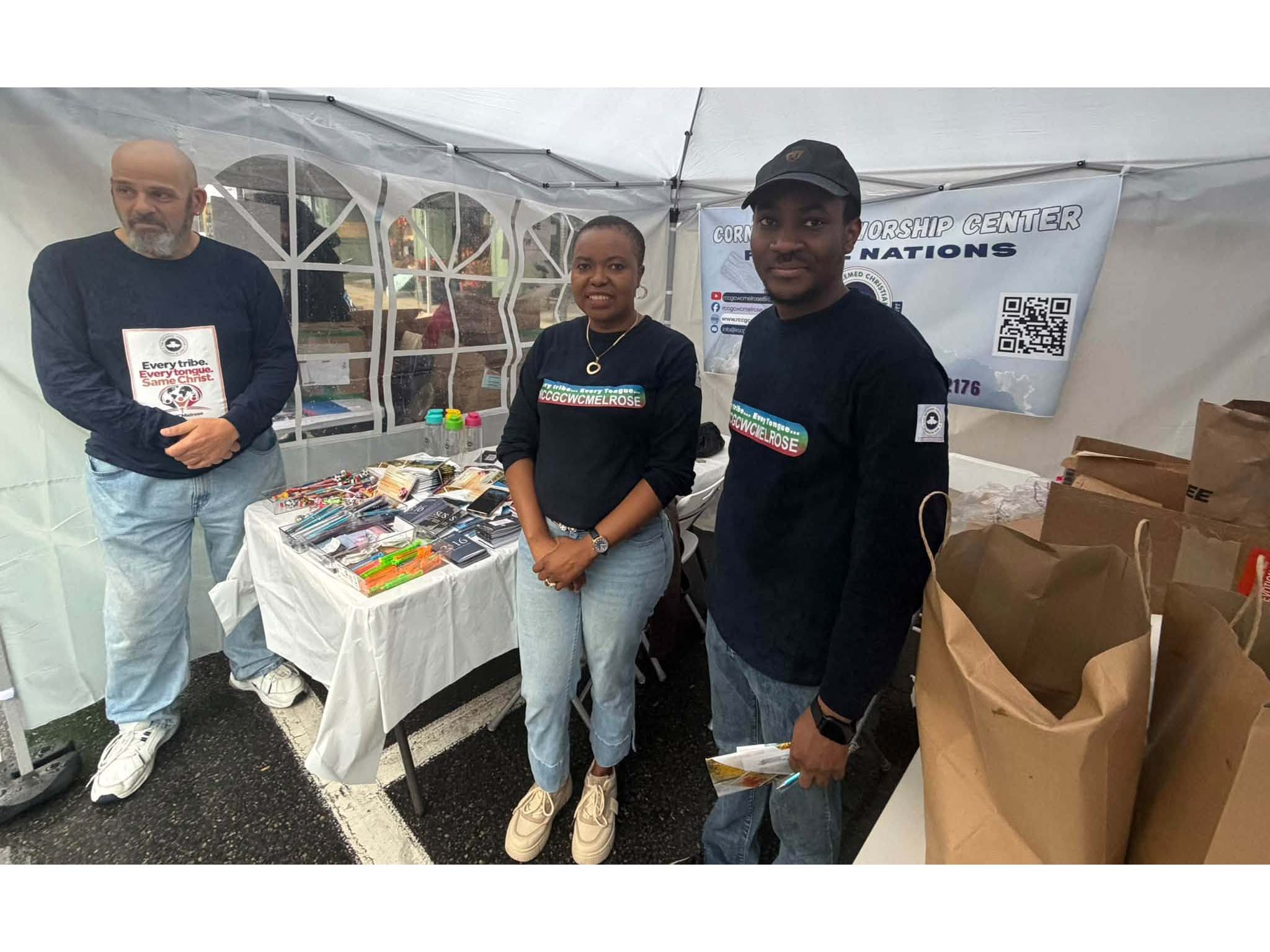
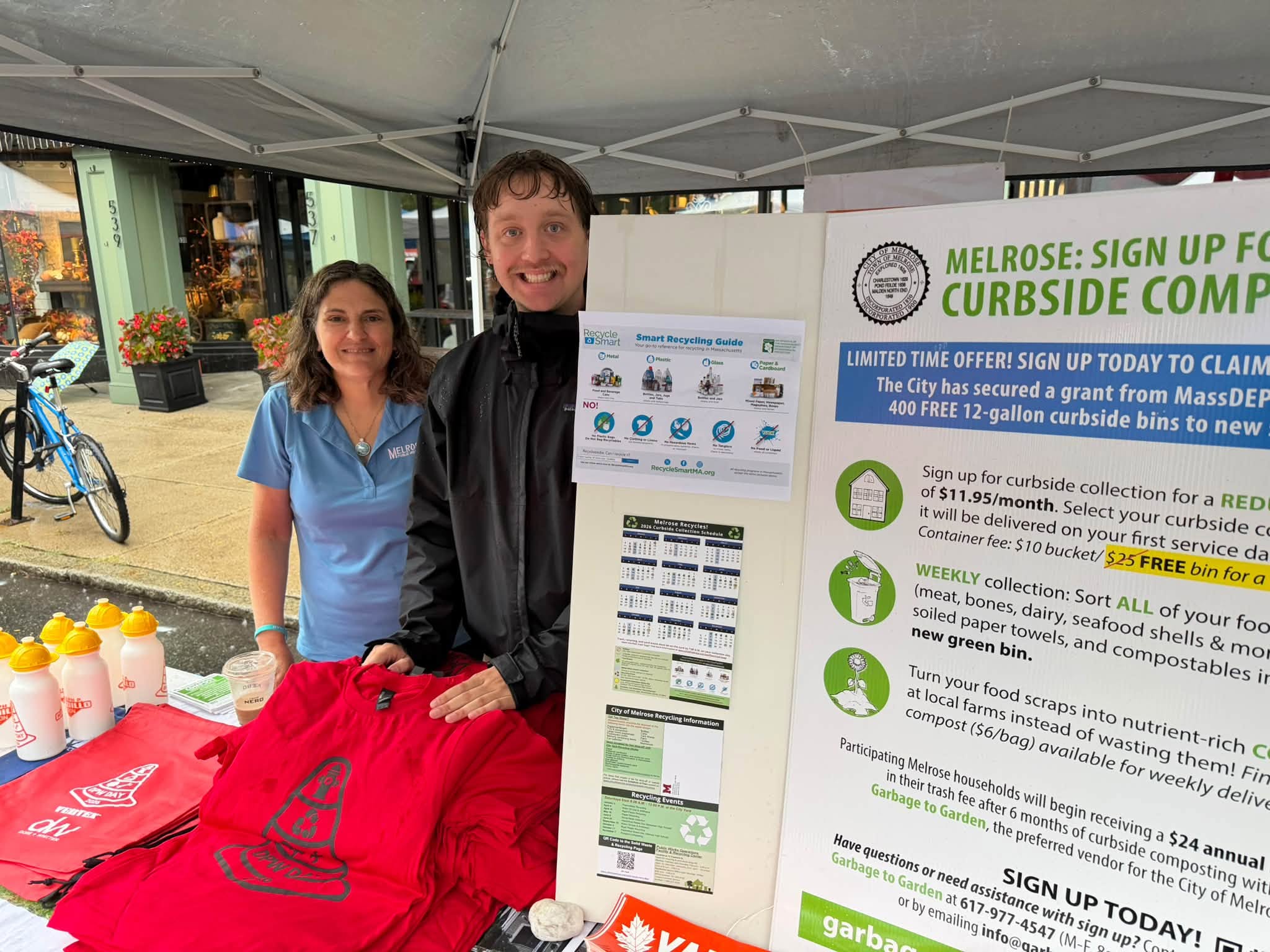
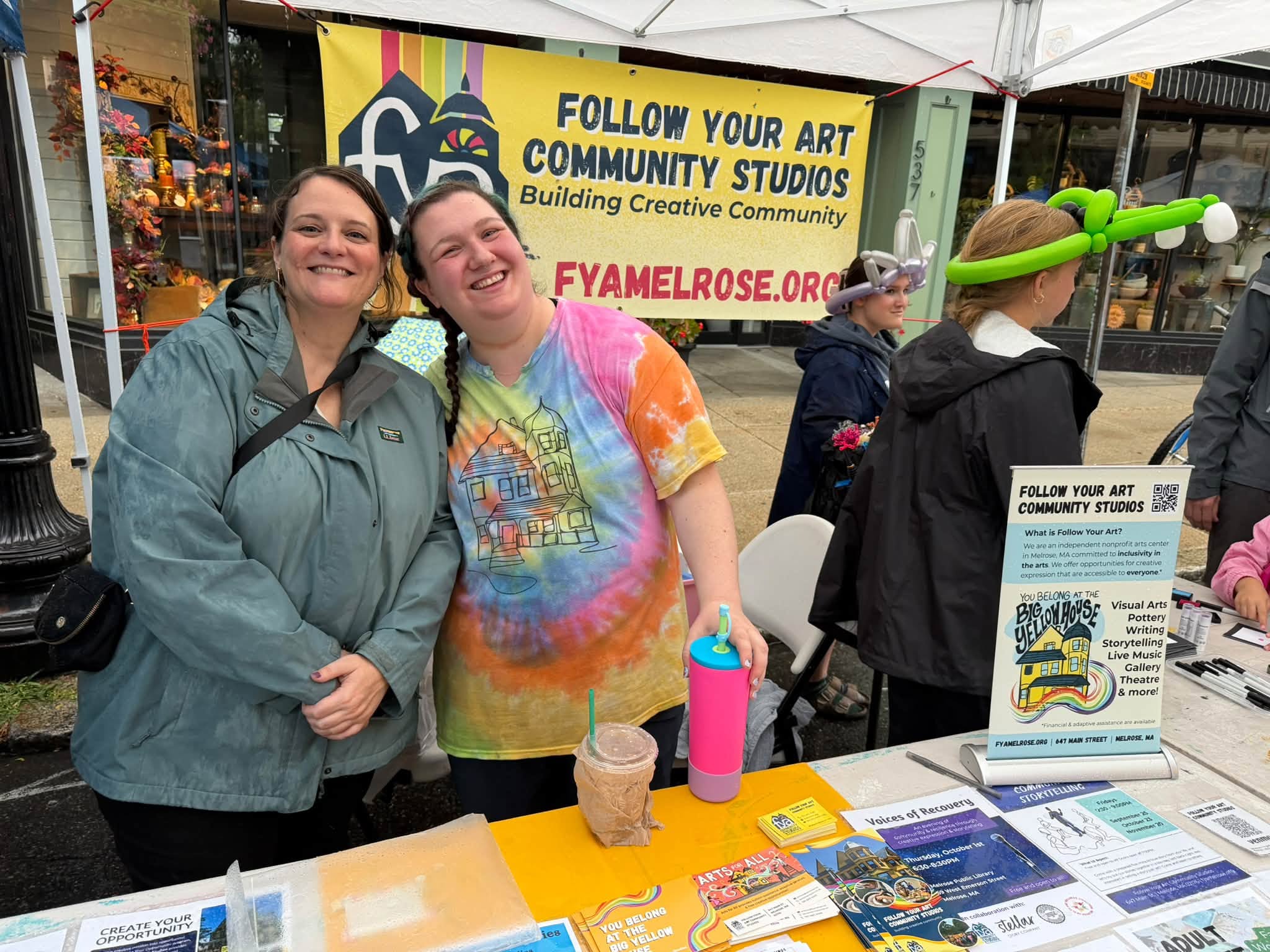
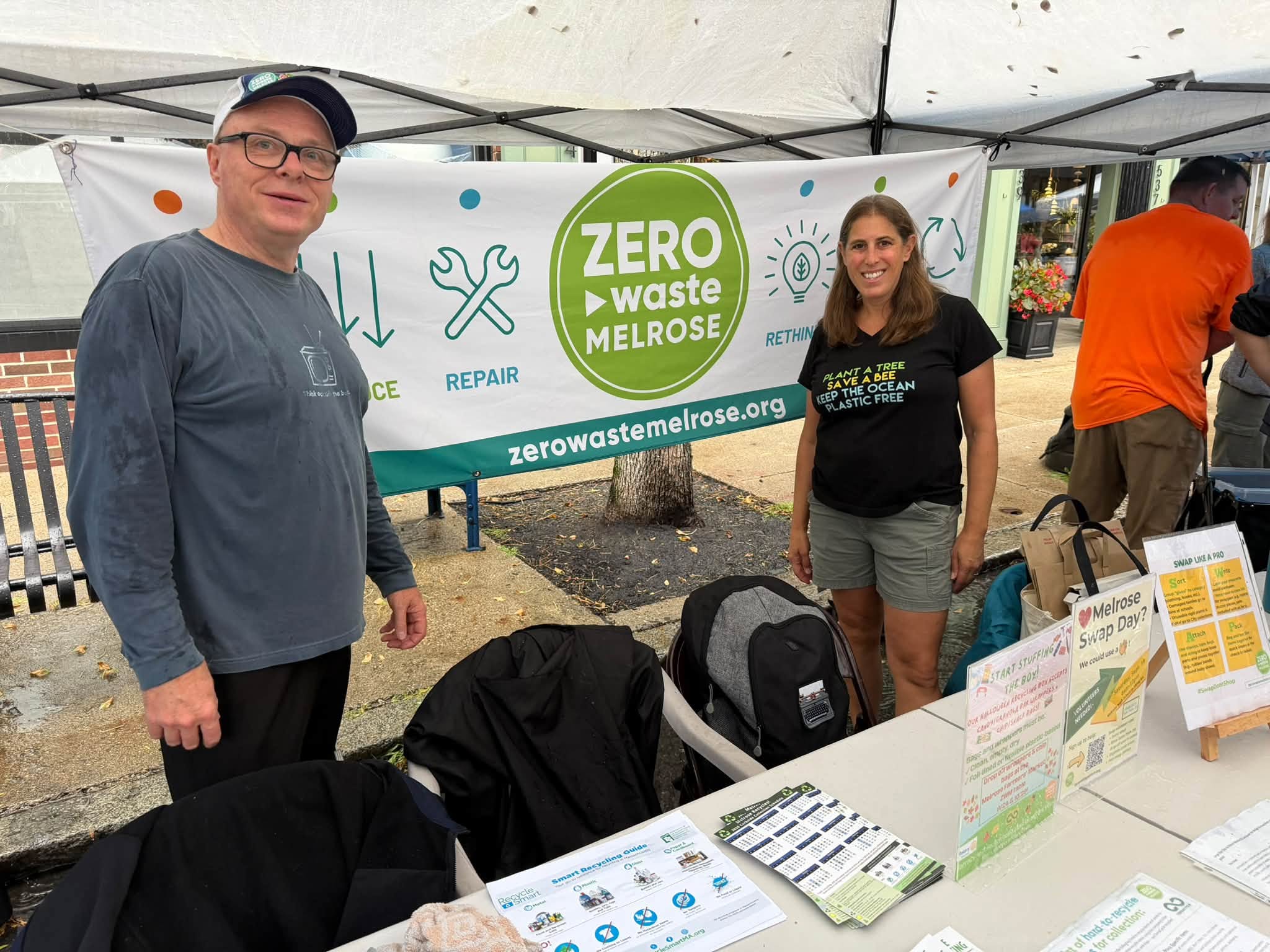
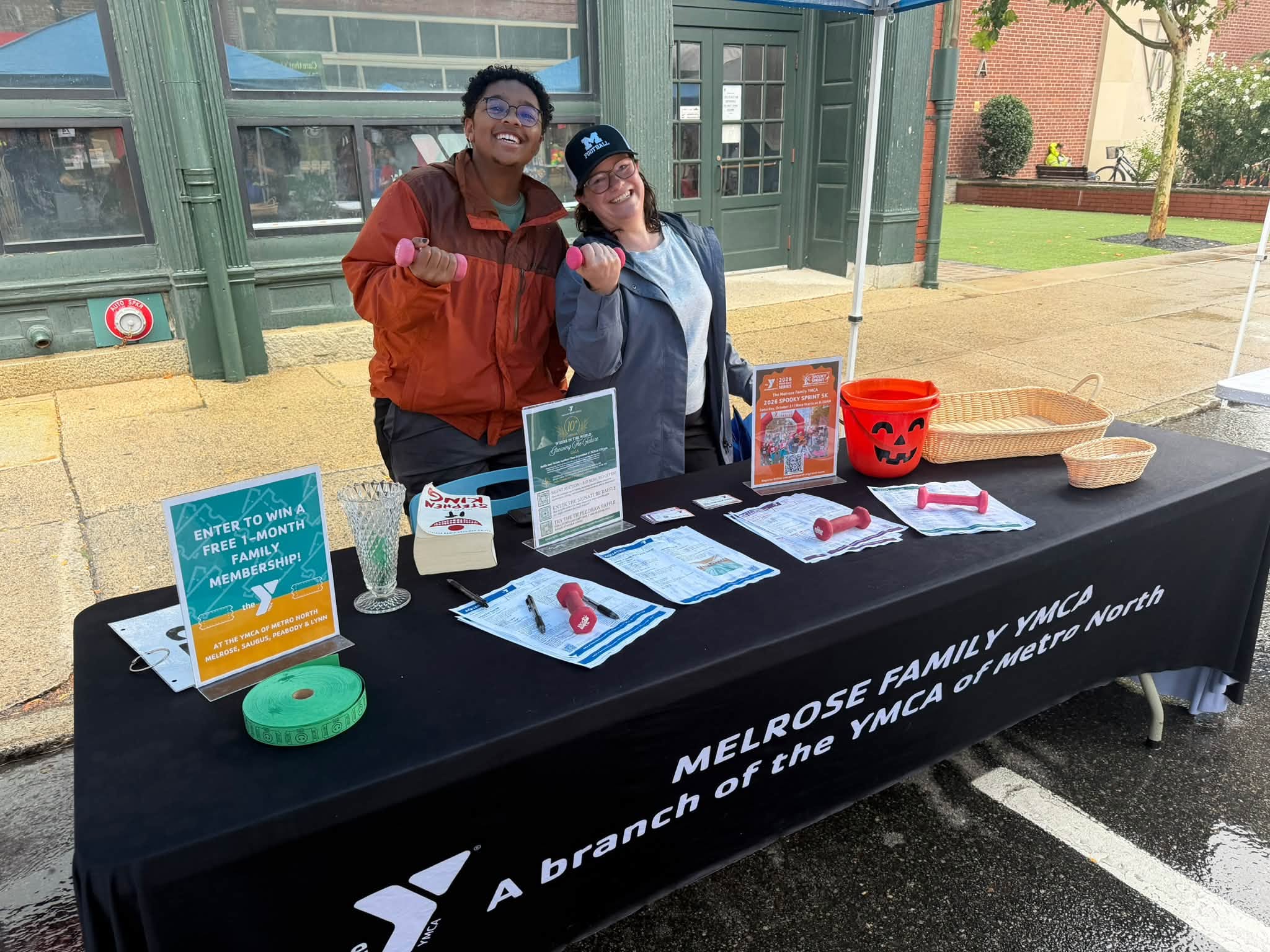
Each year, the Melrose Victorian Fair offers a venue for businesses, nonprofits, and civic groups to promote their work. In fact, for the lesser-known and most unique of these organizations, the Fair may be their best opportunity to connect with the community.
The particular variety of participating organizations each year also provides a window into the changing character of the city. With this in mind, and despite the wet weather, The Messenger conducted several on-the-street interviews with vendors during this year’s Fair, including the following five:
Energy Center Alignment, located on Main Street in Melrose, offers energy-work therapies designed to promote relaxation, reduce stress, regulate the nervous system, and provide relief from minor aches and pains.
Energy-work therapy is based on the idea that the body has a subtle energy field that can become blocked, depleted, or imbalanced. A practitioner can influence this field and channel universal life energy to increase overall health through therapies such as Reiki, a Japanese practice involving touch; sound healing, which uses sound and vibration; and chromotherapy, which uses colors or colored light to influence physical or emotional states.
Owner Lori Callahan has practiced energy work for about 12 years. Her credentials include certification in sound healing and Reiki. According to Callahan, her client base includes a growing number of healthcare providers, reflecting an increased acceptance of the use of energy-work therapies to supplement conventional care. “People don't realize we're in a constant state of stress,” she said, “and our nervous system is constantly in fight-or-flight. If you don't regulate it from time to time, it causes so much disease and illness.”
School of Rock offers music lessons with a unique approach. Rather than offering traditional one-on-one instruction on a specific instrument, the school offers performance-based education where students are required to supplement weekly individual lessons with weekly band rehearsals, culminating in live performances at local venues at the end of each three-to-four-month season.
The school, which has a national brand, is run locally in Medford by owners Ron Pelosi and Larry Sullivan, two lifelong public-school educators. “We don't teach music to put on shows; we put on shows to teach music,” says Pelosi. “We see the band format as building positive peer pressure to practice and connect socially.” Group rehearsals and live performances teach students how to play together as a band. It’s a mission as much about kids finding community as learning music.”
New students start with a free half-hour trial lesson and can typically join a band right away, with phased song casting making it easy to jump in mid-season. The program primarily teaches a classic rock song-based method through current hits, though an adult program offers more flexibility. The school also runs a Rookies-to-Rock 101 pathway for younger beginners (typically ages 8 to 13) as well as seasonal music camps and workshops.
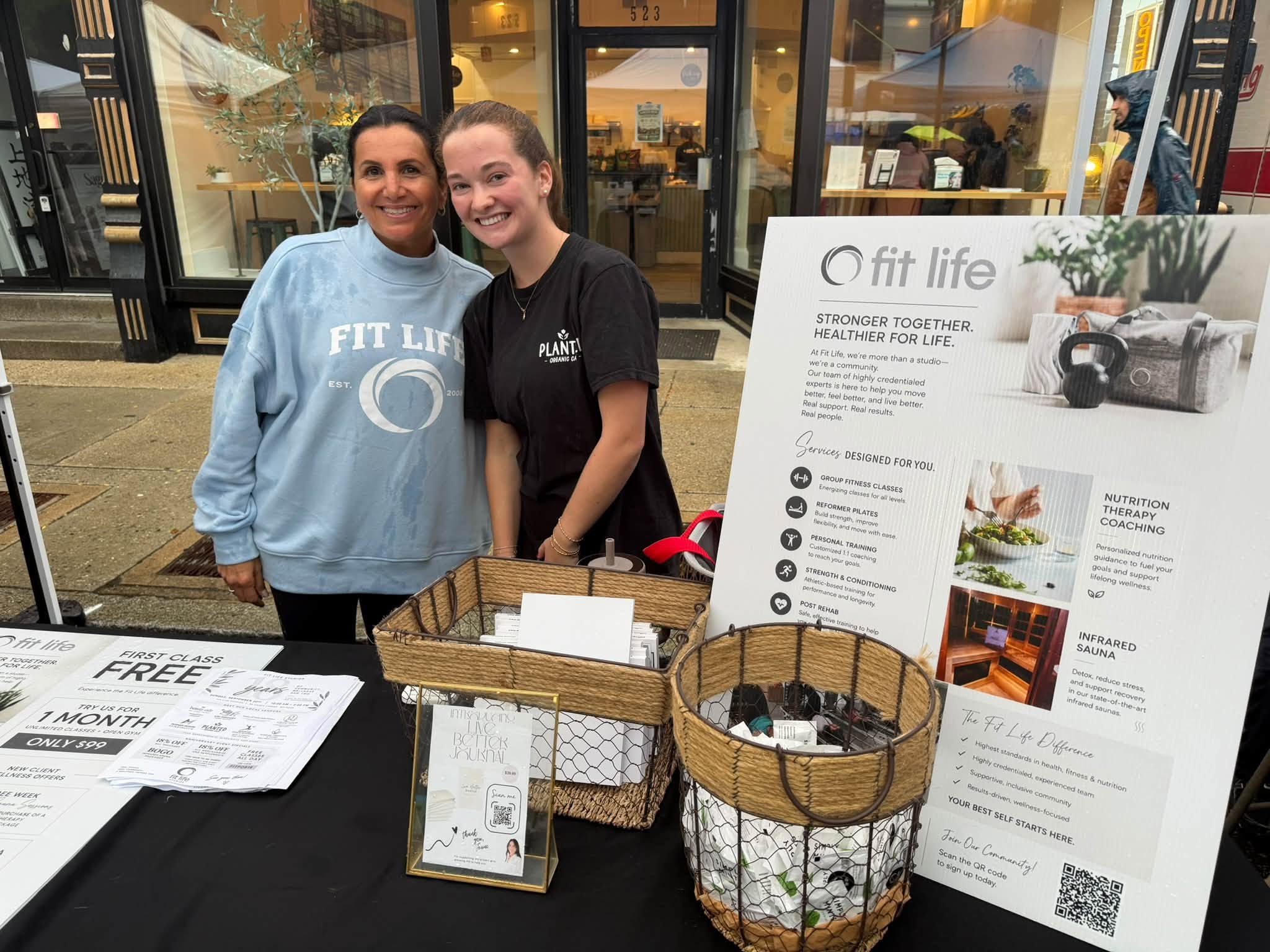
Fit Life is marking its 18th year as a wellness studio in Melrose offering personal training, group fitness classes, and unique integrated wellness services. It is dedicated to designing well-rounded fitness programs tailored to each client's individual needs and progression.
According to owner Jenine Wright, Fit Life is a “full mind and body experience,” pairing classes such as barre, Pilates, cross training, cycling, and yoga with one-on-one nutritional coaching, infrared sauna and recovery services, and mind-body offerings like guided relaxation and mindfulness sessions.
Wright says clients typically come to get healthier or to work through a diagnosed chronic illness, sometimes on referrals from local medical providers. The studio employs about 27 staff, including trainers with certifications or degrees in exercise science and nutrition therapy. The staff is supported by an intake team and serves roughly 400–500 clients across all ages. Fit Life operates out of a converted building at 22 Corey Street in Melrose, with an open gym, second-floor class studios for yoga and Pilates, and a third floor for indoor cycling.
Wright sees Fit Life's relationship with other local fitness options such as the YMCA as complementary rather than competitive given its more specialized services. She stresses Fit Life’s holistic approach, not only to an individual’s health and fitness but to that of the community.
Black Cat Rescue, represented at the Victorian Fair by volunteer Maddie Delbert, is an all-volunteer, no-kill cat rescue founded in 2007. The non-profit has no physical shelter, operating entirely through a network of foster homes across the greater Boston area.
Despite the name, the rescue takes in cats of all colors, prioritizing what it calls “Undercats” — cats with a harder time getting adopted, including black cats, seniors, shy cats, hospice cats, and cats with special medical or behavioral needs. Cats come to the rescue through owner surrenders, stray and feral intake, and transfers from other shelters.
Cats stay with foster families an average of 2.1 months before adoption, and the rescue provides post-adoption follow-up support. No one, including the executive director, draws a salary. Black Cat Rescue places about 150 cats a year and sponsors and organizes adoption events in various Boston-area communities.
Foundation Trust is a private operating foundation based in Melrose. It promotes a deeper understanding and recognition of the effects of trauma and adversity on individuals in society through a dual approach.
The Trust directly runs several trauma training programs, including: The Wind Rose Program, a project for transitional-aged youth and emerging adults with histories of complex developmental trauma; Complex Trauma Training Consortium (CTTC), a national training initiative for professionals working with trauma patients; Complex Trauma Treatment Affiliates (CTTA), a network of treatment centers; and complextrauma.org, an educational resource site for consumers, families, and providers responding to trauma.
Foundation Trust also facilitates grant funding for small New England non-profits. It focuses on funding programs that address one of the following four areas: support for individuals in overcoming trauma and adversity; raising awareness of high-risk youth and vulnerable communities; maintaining dignity for adults living with chronic conditions; and advancing inclusivity in the arts.
Dante Dieso, born to Italian immigrant parents in Revere, founded the Foundation Trust in 1968. It was the immigrant experience that drove Mr. Dieso's passion to establish a charitable foundation that helps children, families, and communities impacted by life adversity, violence, illness, and discrimination. It was his legacy and his life’s work to “fill in the gaps” left by larger foundations.